
Built area, not number of rooms
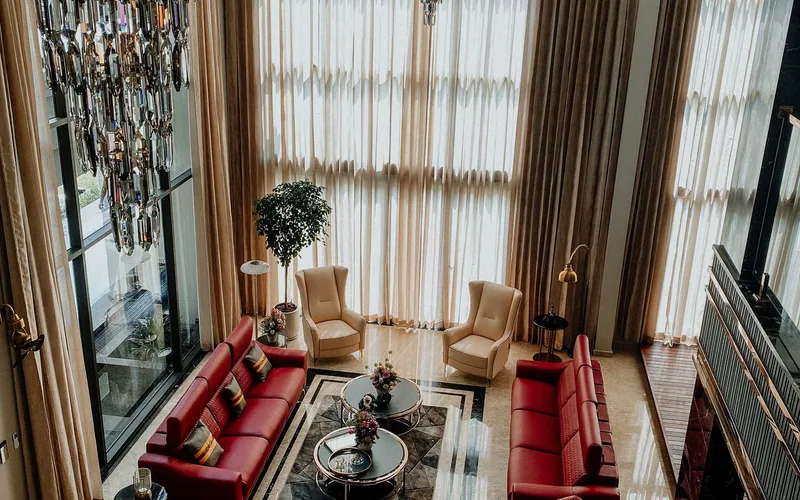
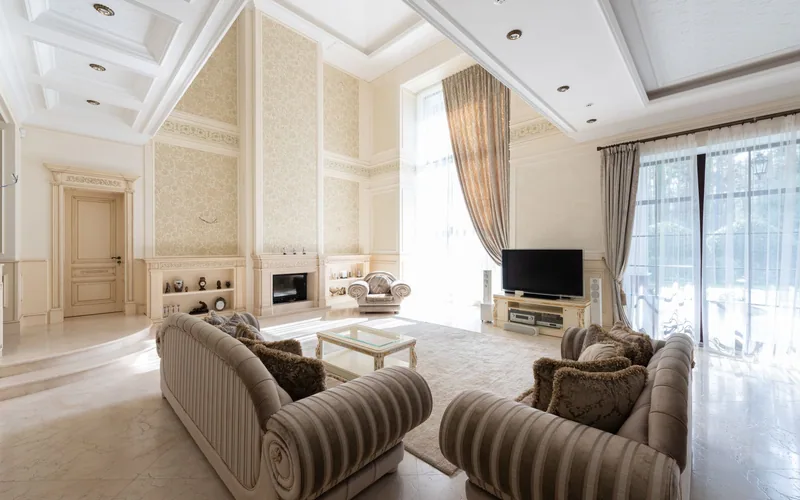
An open floor with tall ceilings is not the same as several small rooms. We ask about the area, because pricing by room count punishes a big space and overcharges a small one.
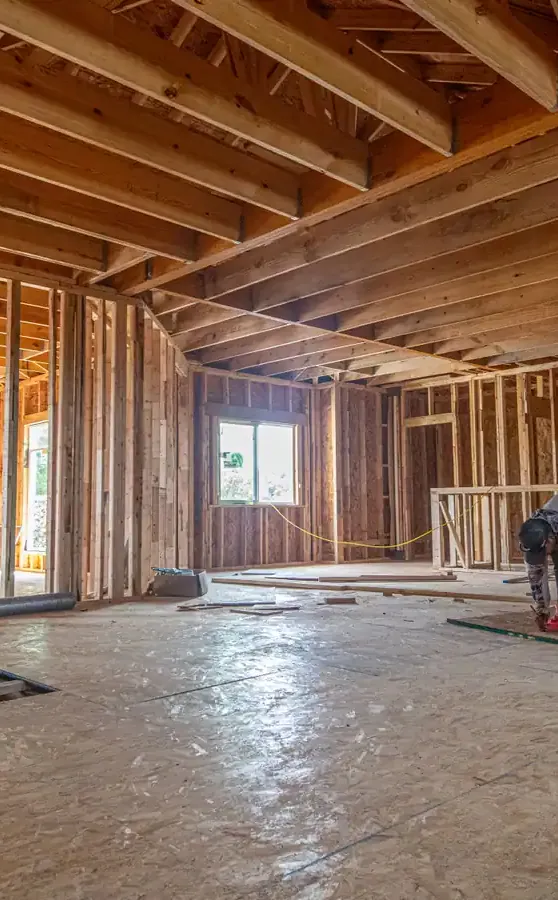
Building dust is not ordinary dust. Fine gypsum and cement powder floats long after the drilling stops, then settles into window tracks, on top of doors, inside cabinets you never opened, and in the AC vents. Wipe it and it comes back, because a dry cloth just moves it into the air. Removing it takes the right order and the right suction, not more wiping.
Smell is not the sign here; the film is. If one of these applies, the trades are done and the clean is due.
You clean a surface, and by the next morning the fine grey film is back. That is settling gypsum dust, not new dirt, and a cloth alone keeps stirring it into the air.
Small hardened spots of paint, primer or plaster on windows, mirrors and floor tile. They need to be lifted carefully, not scraped, or the surface takes the damage.
New tiling often dries with a dull cement film across it. It looks like the tile is ruined; usually it is grout haze sitting on top and it comes off with the right method.
Protective stickers on new glass, taps and appliances leave a gummy residue when peeled. Left in place it collects dust and turns brown.
Open a fresh cabinet and there is a layer of fine powder inside. Construction dust settles everywhere air reaches, including the places you assume stayed shut.
AC returns, exhaust vents and ceiling fittings trap the finest dust. Left there, the first time you run the AC it blows straight back into the room.
The second list is the one that prevents disputes, it is usually in small print, or not written at all.
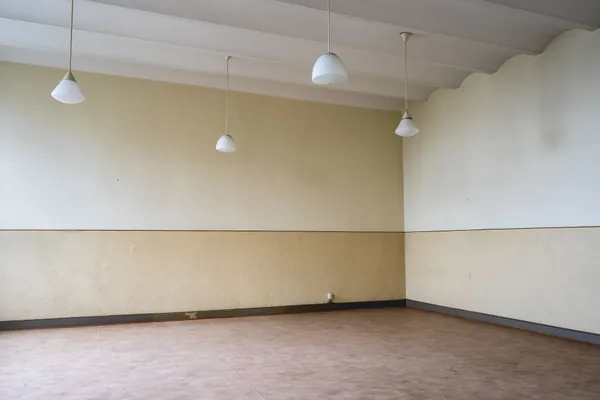
Ceilings, corners and air conditioning units come first, because dust left high up falls onto whatever we just cleaned.
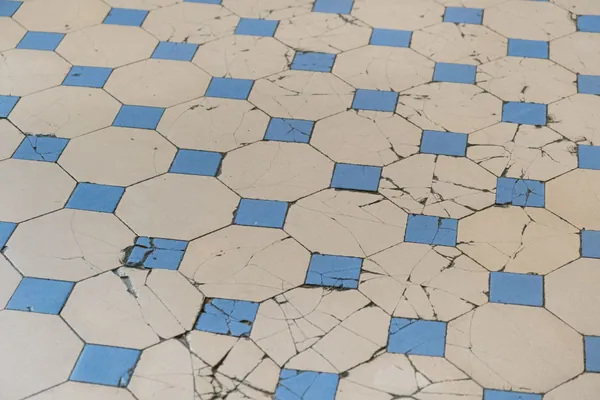
Hard specks are lifted off tile, marble and glass with tools that will not scratch, before any general wash.

The dull film plaster leaves behind is treated with a dedicated product until the surface is properly clear.
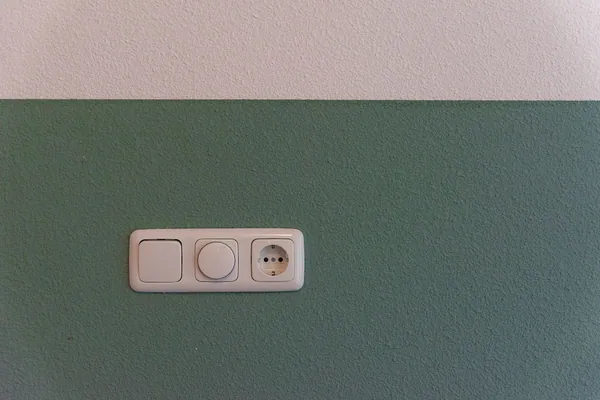
Paint spots come off according to what they landed on, whether a floor, a door or a light switch.
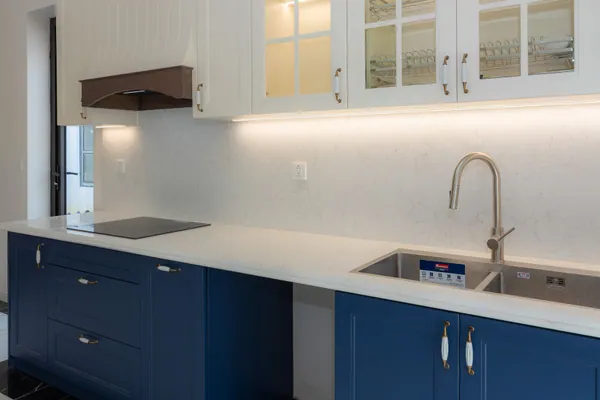
Labels and glue residue come off doors, windows and appliances, and the sticky mark underneath is cleaned too.
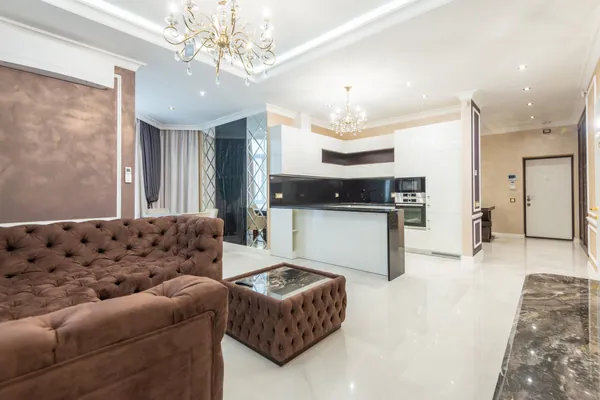
Once the dust is down and the spots are gone, floors are washed and rinsed until the water runs clean.
If your case includes any of these, we say so at the inspection, not after payment. In most of them we point you to the right trade even when the work is not ours.
The order matters more than it looks. Reversed, you clean the same floor twice and still lose to the dust, and that is the most common thing we are called to redo.
We start at the ceiling, vents and the tops of everything, then work down. Clean the floor first and the next hour of overhead dust lands right back on it.
The fine powder is vacuumed and dry-collected first. Water on gypsum or cement dust makes a paste that smears into grout lines and corners instead of leaving.
Windows, mirrors and the sliding tracks are cleared of grit and sticker residue before the wet stage, so nothing muddy is dragged across them later.
Grout haze, paint spots and adhesive are worked off tile, stone and fixtures with the method each surface can take, tested before we commit to it.
Every closed space is opened and cleared, because that is where settled dust hides until you reach for a plate months later.
Floors are washed only after all the dust above has come down, then we walk the home with you and anything you point to is redone before we leave.
We do not publish a fixed figure, because cases genuinely differ. These are the factors we ask about, so you know where your job sits before you call.
An open floor with tall ceilings is not the same as several small rooms. We ask about the area, because pricing by room count punishes a big space and overcharges a small one.
A light finishing dust is quick; a full builder's coating after months of work takes far longer. The difference is real time, not a markup.
A home cleaned in stages as trades finished is not the same as one left untouched since the first cut. The second may need more than one pass, and we say so first.
Grout haze, cured paint and heavy adhesive need dedicated handling before the general clean. It is priced with everything else, not sprung on you after.
Carpet or window work done alongside the post-construction clean in one visit costs less than two trips, because setup and travel are counted once.
Send photos of the space and tell us what stage the work is at on WhatsApp, and you get an estimated price and time before you commit to anything.
A fair question, and home vacuums are capable now. Here is the real difference for this job, not the sales version.
This is not a heavier version of a normal clean. The order, the dry-first rule and the haze removal are specific to post-construction, and getting them wrong leaves the home worse.
The company runs a large crew and we send a team, not a single cleaner. A whole home after renovation is finished in one visit instead of being split across days.
The vacuums and materials come with the team, not rented on the day. No waiting because the machine is at another job.
If a paint spot or cured cement mark cannot come off without risking the surface, we tell you at the inspection rather than damaging it to look busy.
Photographs from real jobs carried out by the crew.
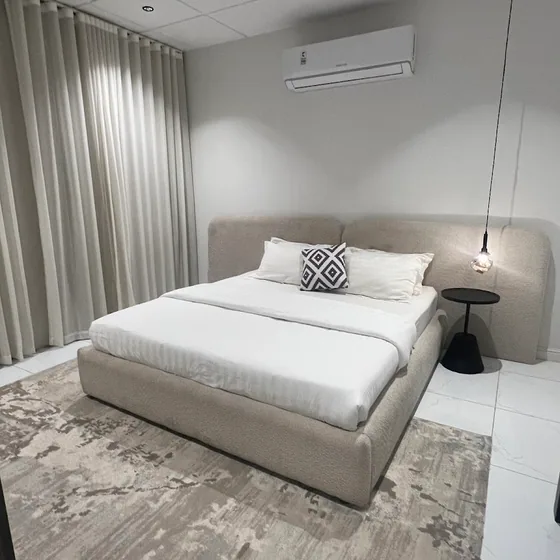
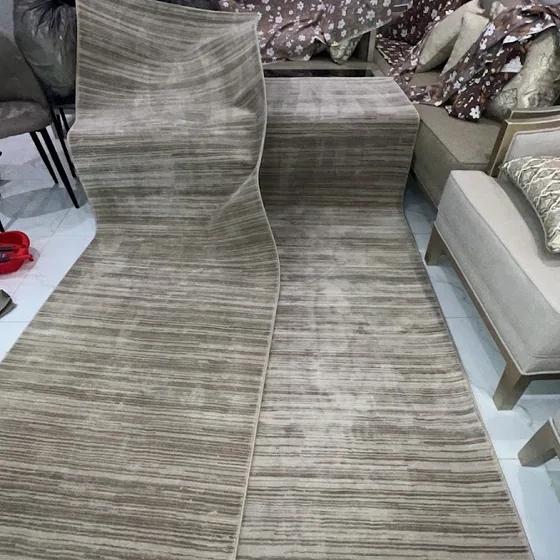
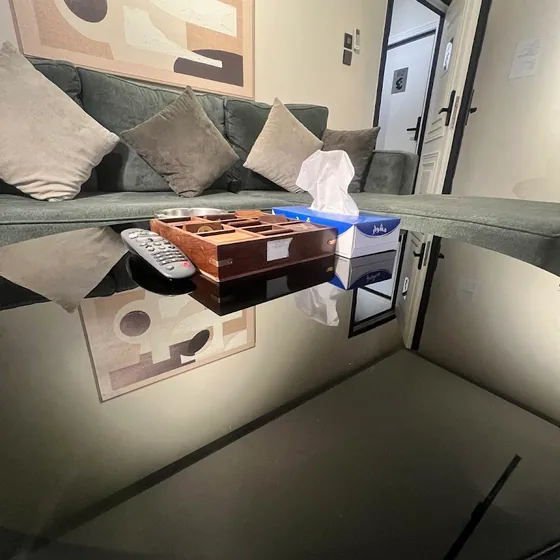
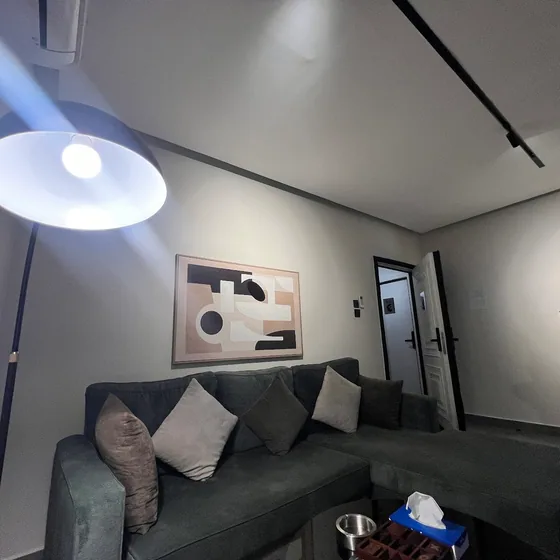
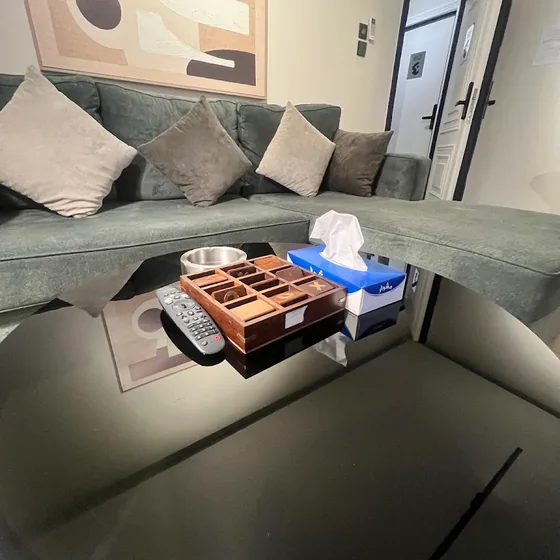
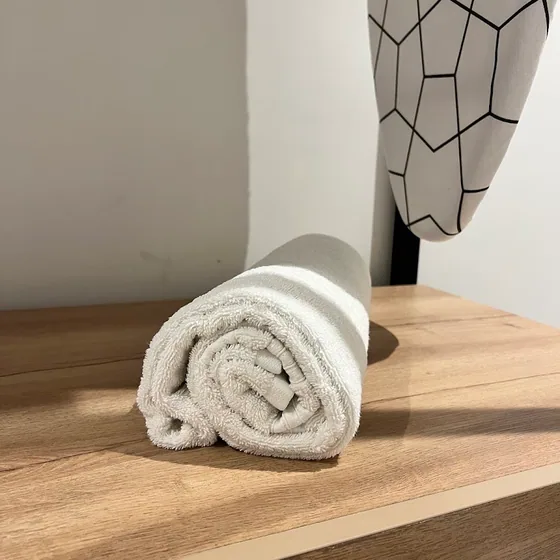
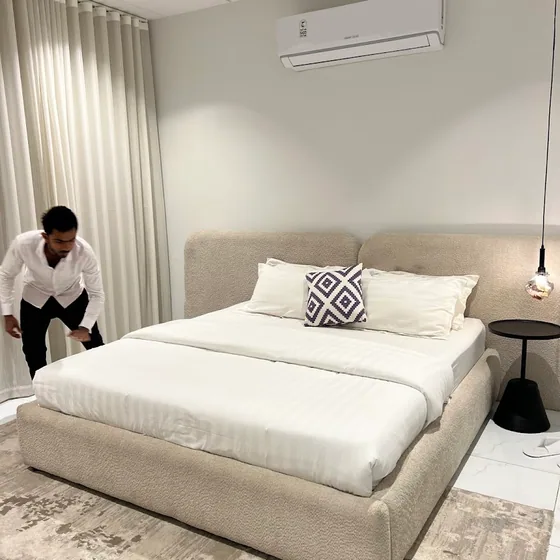
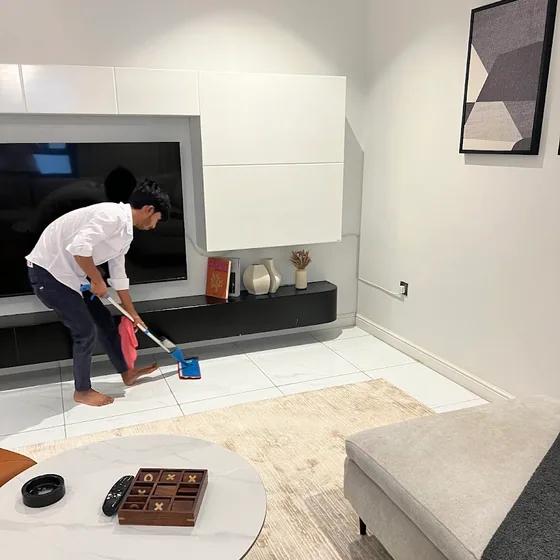
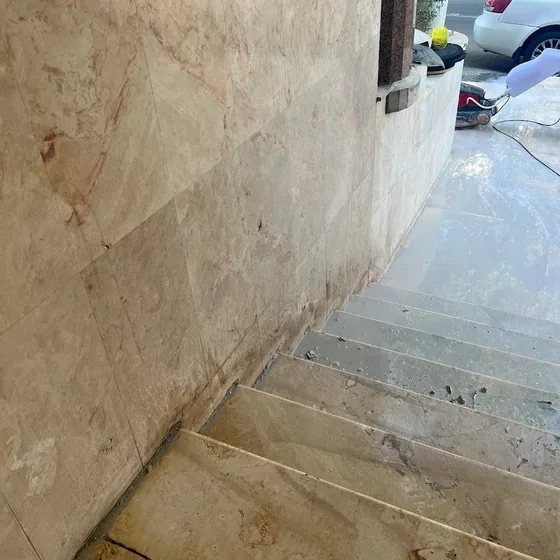
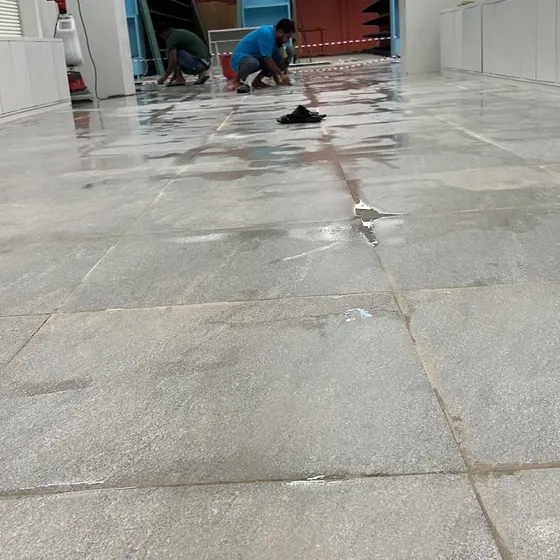
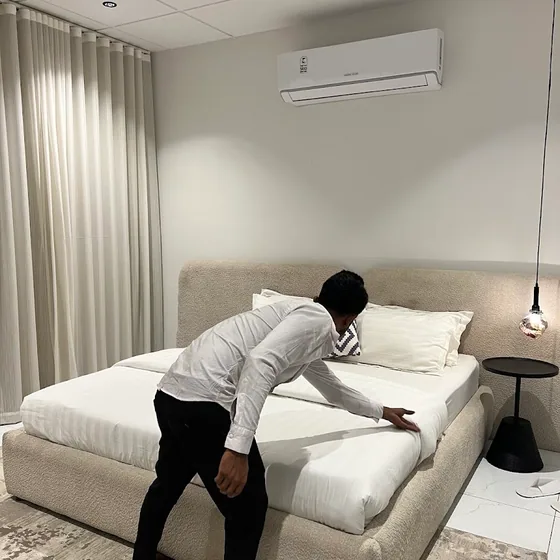
The commitment is simple enough to actually keep: we do not leave before you have walked the home and told us what you think.
We look at the job and agree the figure before any work begins, and nothing is added to it afterwards. If the scope changes during the visit we stop and ask you before carrying on.
At the end of the visit we walk the place with you. Anything you point at is redone in the same visit, not booked for another one, and at no extra cost.
We arrive when we said we would. If that becomes impossible you hear it before the appointment rather than after, because waiting without knowing how long is worse than a delay you were told about.
Everything we offer in this category, in a single visit if you need more than one.
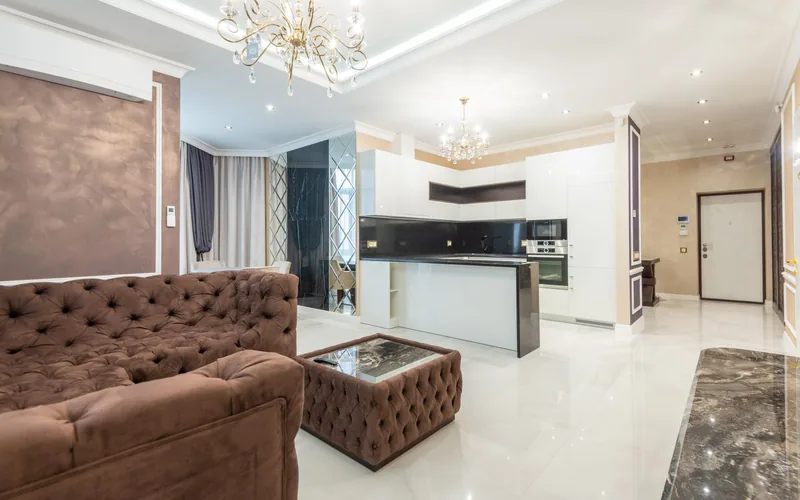
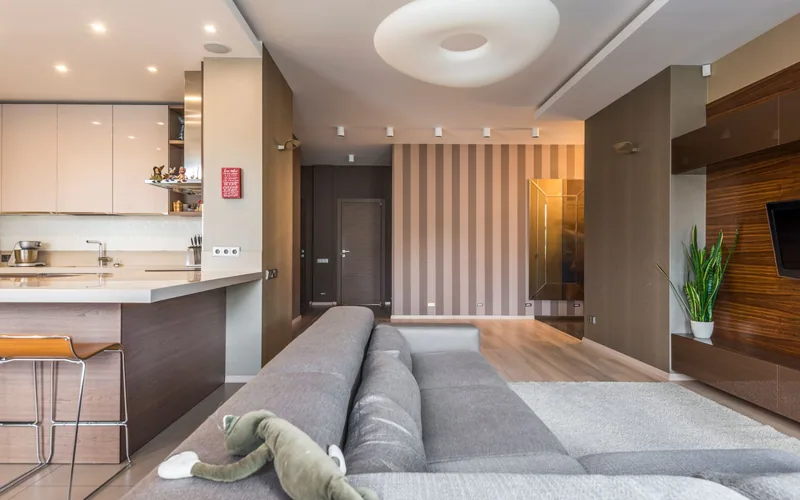









The crew and its equipment travel to you, and the price does not change with the district.
Four steps, and none of them commits you to paying before you have seen the price.
WhatsApp or a call. One photo is usually enough.
In writing, before you commit to anything. You approve it, or we adjust it.
At the agreed time, with everything the job needs.
A walk-through before we leave. The job is not closed until you are satisfied.
Send photos and the stage the work is at, and you get an estimated price and an available date. Nothing starts before you approve the number.