
We know builder's dust
This is not a heavier version of a normal clean.
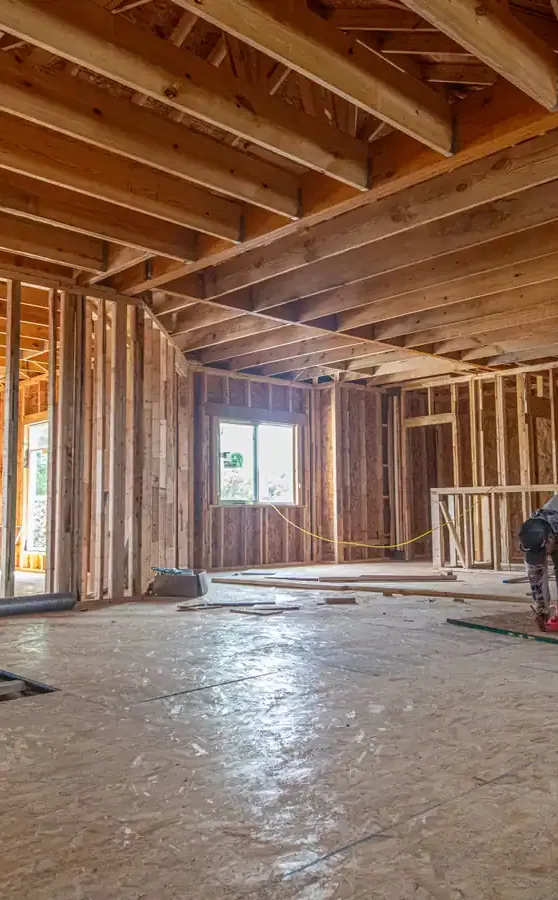
Al Farouq is a mixed-use district framed by the ring road and Old Makkah Road, with apartment buildings, vacant plots and heavy goods traffic on its edges. The dust here is darker and more oily than in northern districts, a blend of diesel soot and workshop grit that clings to curtains and walls harder than ordinary construction dust does.
The black soot dust in Al Farouq from trucks and diesel is harder to remove than fine dust in other districts, and light-coloured curtains darken rapidly. For the method itself, see our guide to post-construction cleaning.
Al Farouq is ringed by industrial use and heavy goods vehicles pass on nearby main roads daily, so the dust is not fine sand but oily particles from diesel exhaust that bond to surfaces rather than merely settling on them.
The district is boxed between two expressway truck routes, and black soot enters open windows and settles on furniture and fabric while building work is still ongoing, requiring deeper cleaning than normal construction dust.
Many older homes here have plain cement or basic ceramic floors that blacken where soot is walked, and cleaning needs stronger products than would be used in districts without this traffic pattern.
The district sits between the sea and heavy-traffic expressways, surrounded by industrial zones and warehouses at the margins, so the air is thick with diesel particles and workshop residue in addition to construction dust.
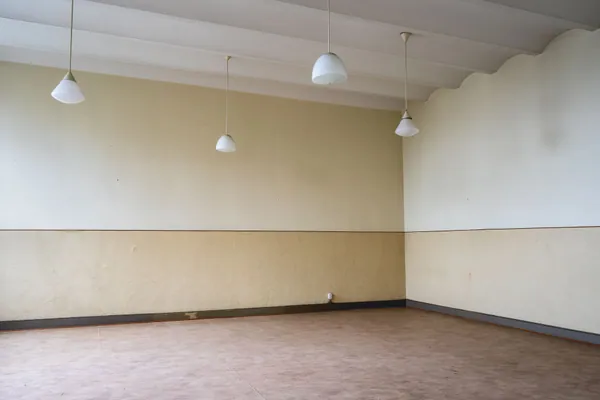
Black soot dust falls from the tops of walls and windows, so we start from the highest points and sweep before mopping to remove heavy particles.
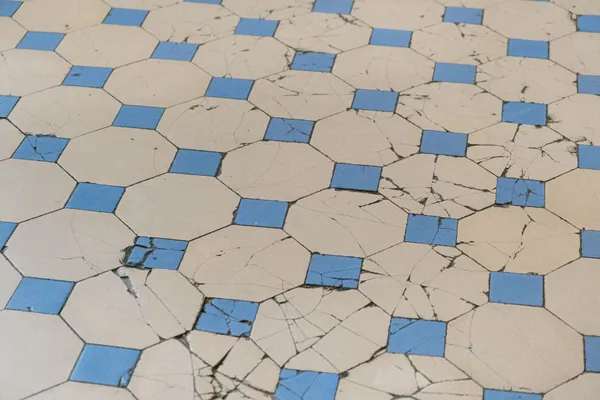
Cement residue on floors mixes with diesel soot and is harder on older surfaces, needing careful scraping without gouging.

Window frames and metal edges trap black soot and need focused cleaning before the glass itself is tackled.
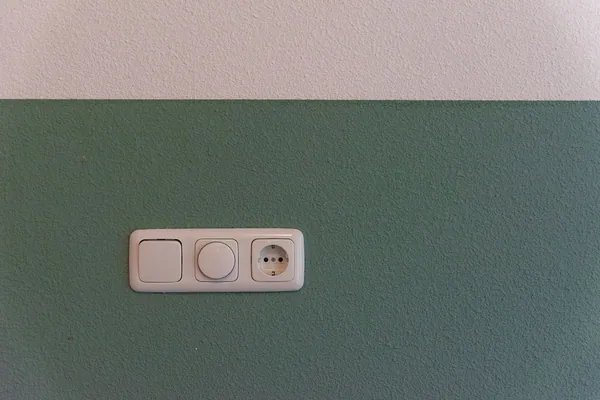
Paint spatter on ceramic may be mixed with soot particles, so we focus on corners and edges where accumulation is heaviest.
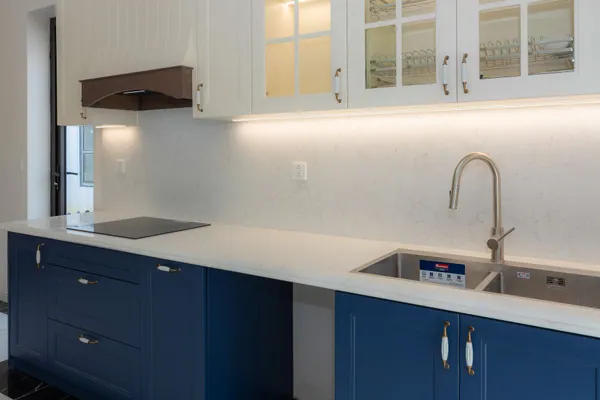
Labels and adhesive marks on walls are tougher to remove when moisture from oily soot is present.
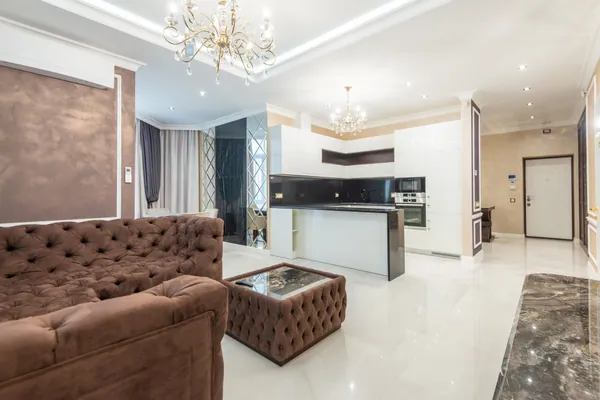
Ceramic and cement floors need a strong final rinse to clear soot and oil residues.
We start at the ceiling, vents and the tops of everything, then work down.
The fine powder is vacuumed and dry-collected first.
Windows, mirrors and the sliding tracks are cleared of grit and sticker residue before the wet stage, so nothing muddy is dragged across them later.
Grout haze, paint spots and adhesive are worked off tile, stone and fixtures with the method each surface can take, tested before we commit to it.
Every closed space is opened and cleared, because that is where settled dust hides until you reach for a plate months later.
Floors are washed only after all the dust above has come down, then we walk the home with you and anything you point to is redone before we leave.
Mixed district: shops at street level with homes above them
Mixed-use in Al Farouq means that flats and buildings sit next to industrial and warehouse use, so they inhale workshop and diesel dust, and cleaning requires stronger products than normal because oily pollutants bond harder than dry dust alone.
This is not a heavier version of a normal clean.
The company runs a large crew and we send a team, not a single cleaner.
The vacuums and materials come with the team, not rented on the day.
If a paint spot or cured cement mark cannot come off without risking the surface, we tell you at the inspection rather than damaging it to look busy.
Photographs from real jobs carried out by the crew.












The commitment is simple enough to actually keep: we do not leave before you have walked the home and told us what you think.
Al Farouq is positioned between Old Makkah Road and Haramain Road, which define its location on the map. We reach individual flats via Al Falah Road, which divides the district and provides clear access points.
We provide these in Al Farouq too, and more than one can share a single visit.



