
Area and number of rooms
A single room isn't a whole home. We price by the space actually treated, so a targeted job costs less than a full-house treatment.
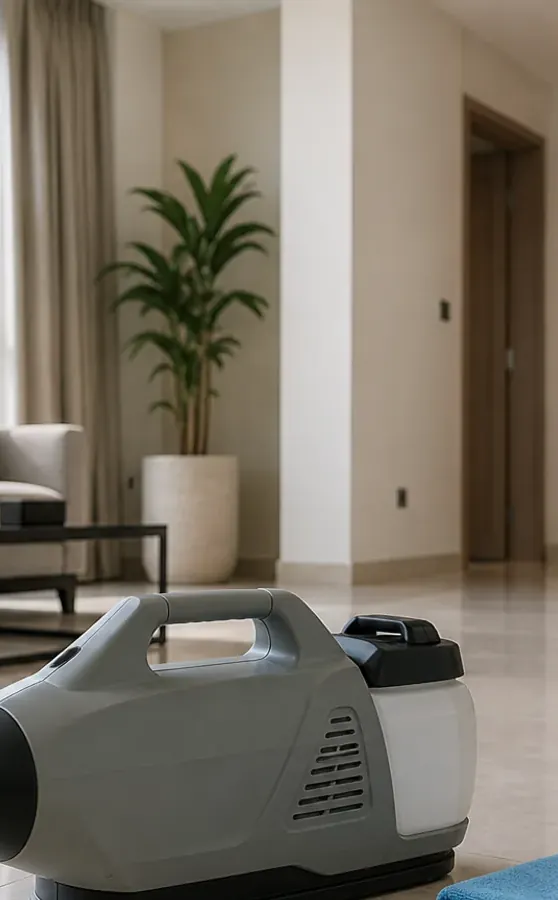
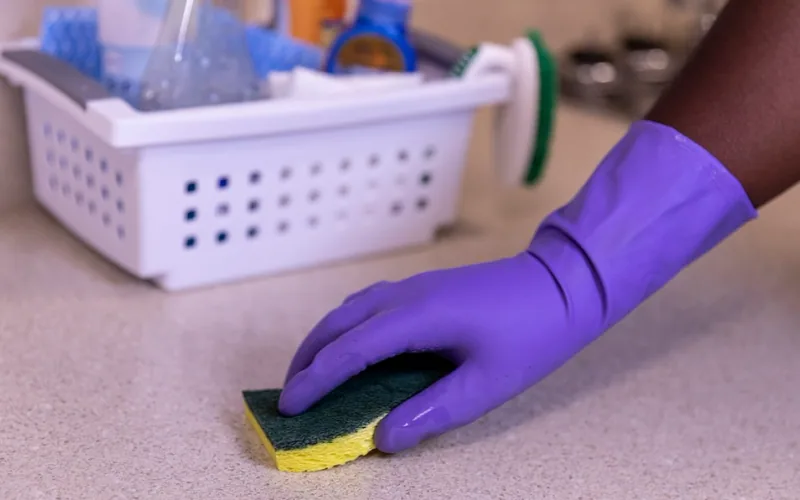
Disinfectant doesn't work on a dirty surface. Grime and grease shield what's underneath, so a spray over a soiled counter mostly wipes the top and leaves the rest. A disinfectant also needs time in contact to do anything, a quick wipe that dries in seconds hasn't worked. Clean first, then let it dwell: that order is the whole difference between disinfecting and just spraying.
It's rarely about how it looks. If one of these fits, it's worth doing properly.
When a cold or a stomach bug has passed among the household, the high-touch points hold it longest. Disinfecting them is how you stop it circling back.
If a room smells stale again soon after you open the windows, something on the surfaces or soft furnishings is holding it. Airing masks it; treating the source clears it.
Handles, switches and taps that feel tacky are where hands leave the most behind. They're touched constantly and cleaned least.
An empty home carries whatever the last occupants left on the surfaces. Disinfecting before you move furniture in starts you from a known clean baseline.
A house full of guests means many hands on the same surfaces and shared bathrooms. A reset afterwards is easier than living with it.
The more people share a kitchen and bathrooms, the faster the common touch points build up. Regular treatment keeps that in check.
The second list is the one that prevents disputes, it is usually in small print, or not written at all.
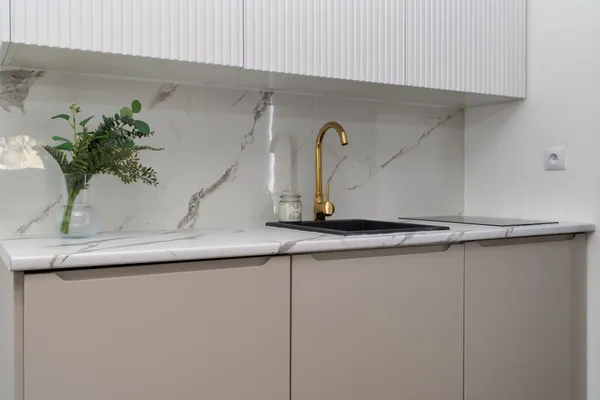
Dirt and grease come off first, because disinfectant on a dirty surface is used up before it can work.
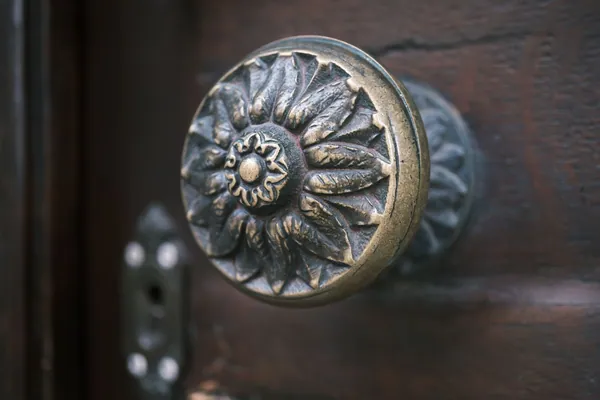
Handles, switches, buttons and control panels are the priority for disinfection, not the floor on its own.
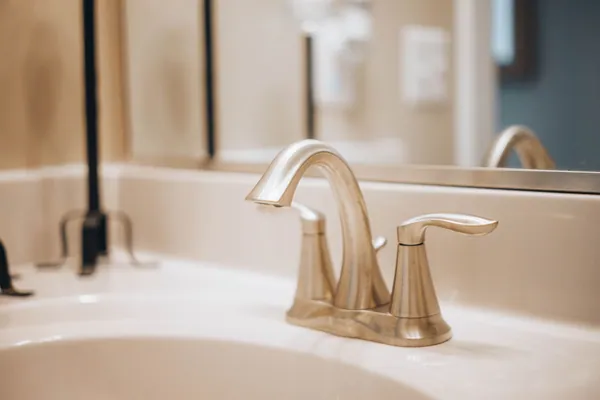
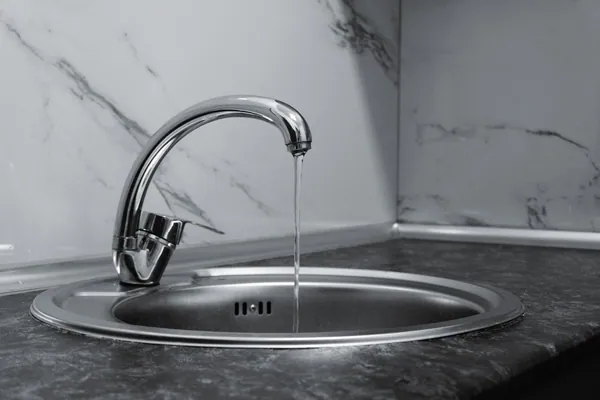
Taps, toilet seats and handles are among the busiest transfer points in the home, and each one is disinfected.
Surfaces that food touches are disinfected with a product made for them, then rinsed where that is needed.
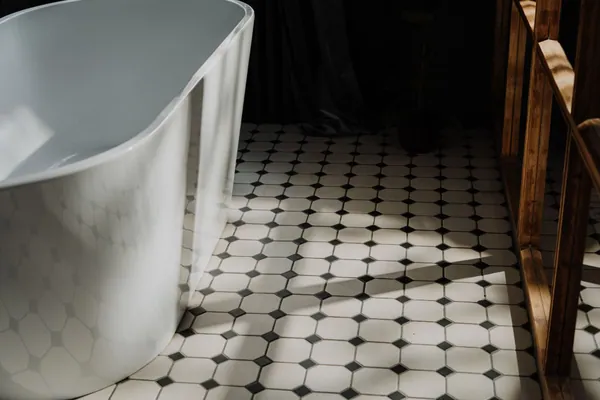
Drains and grout hold odour and bacteria that ordinary wiping never reaches, so they are treated on their own.
The product is left on the surface long enough to work, then the space is aired out before we leave.
If your home needs one of these, we say so at inspection, not after payment. In most cases we point you to the right service even when the work isn't ours.
The order isn't a detail. Disinfect before cleaning, or wipe it off before it dwells, and you've achieved nothing.
A move-in, an illness and an after-party aren't the same job. Knowing the reason decides which rooms and surfaces get the focus and which product is right.
Grime and grease shield what's under them. We clean first so the disinfectant lands on the surface itself, not on the dirt sitting on it.
A disinfectant has to stay wet on the surface to work. We let it dwell instead of wiping it straight off, which is the step most quick jobs skip.
Handles, switches, taps and rails are done by hand because they carry the most and need direct contact that fogging alone doesn't give.
Once the hard surfaces are done, a fine fog reaches the air, the fabrics and the corners a cloth can't, settling over what hand-wiping misses.
We open up and air the rooms, then walk the home with you before leaving. Anything you point to is redone in the same visit.
We do not publish a fixed figure, because cases genuinely differ. These are the factors we ask about, so you know where your job sits before you call.
A single room isn't a whole home. We price by the space actually treated, so a targeted job costs less than a full-house treatment.
A routine reset is lighter than a treatment after illness, which needs more focus on the touch points and more care. The reason shapes the work.
If surfaces need real cleaning before they can be disinfected, that's more work than a light wipe-down. We flag it at inspection rather than after.
Some jobs need both the hand pass and the fog; some need only one. What the case calls for changes the time and the materials.
A regular schedule is lighter each visit than a one-off, because less accumulates between visits. Recurring care costs less per visit.
Tell us the reason and the rooms involved on WhatsApp, and an estimated price and time reach you before you commit.
It's a fair question, and disinfectant is on every shelf. Here's the real difference, not the label.
The common mistake is spraying disinfectant over dirt. We clean the surface first, because product spent on grime never reaches what you're trying to treat.
The company runs a large crew, and we send a team rather than one person. Hand-wiping and fogging happen across rooms in parallel, so a whole home is done in one visit.
The foggers and the products come with the team. No waiting and no improvising because the equipment is at another customer's home.
If what you need is deep cleaning or mould work rather than disinfection, we tell you. A service that doesn't fit your problem costs us your trust.
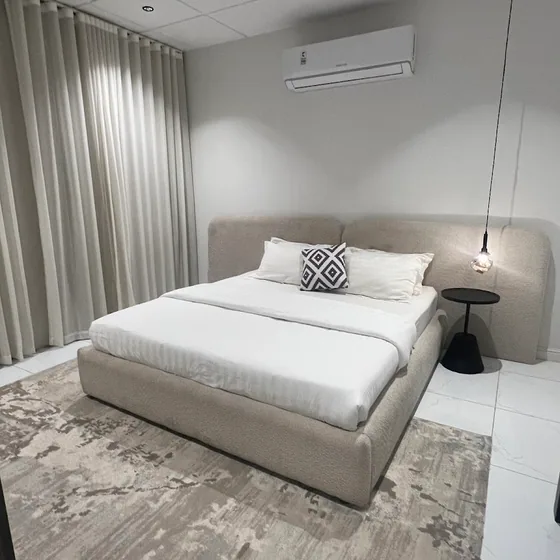
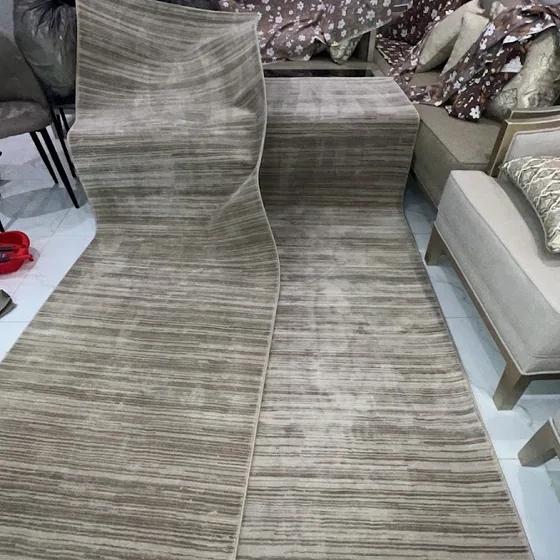
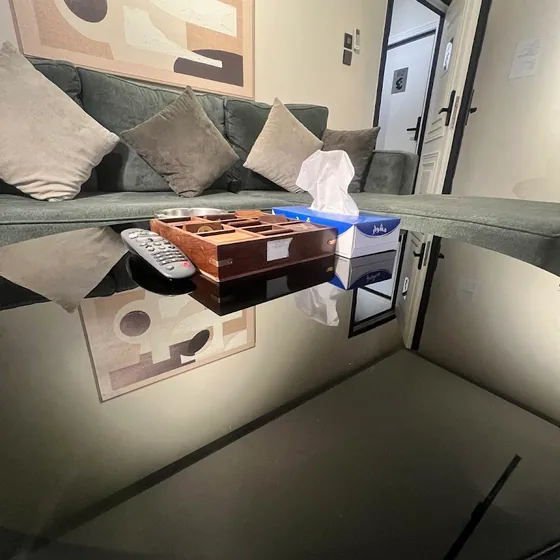
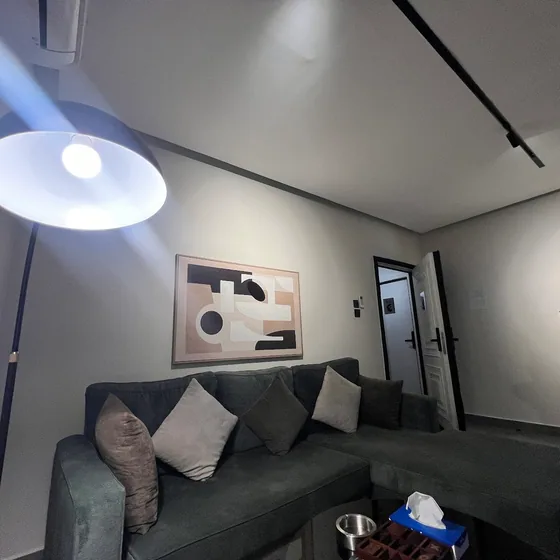
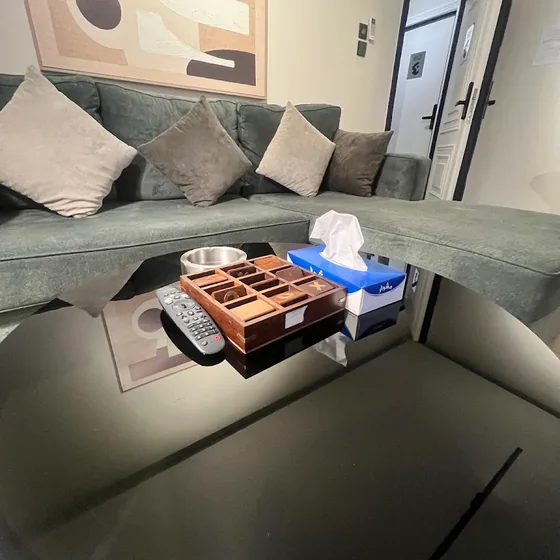
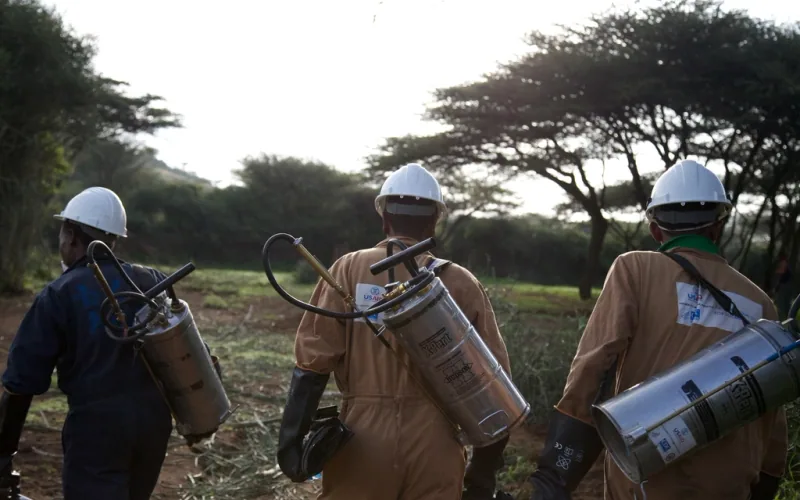
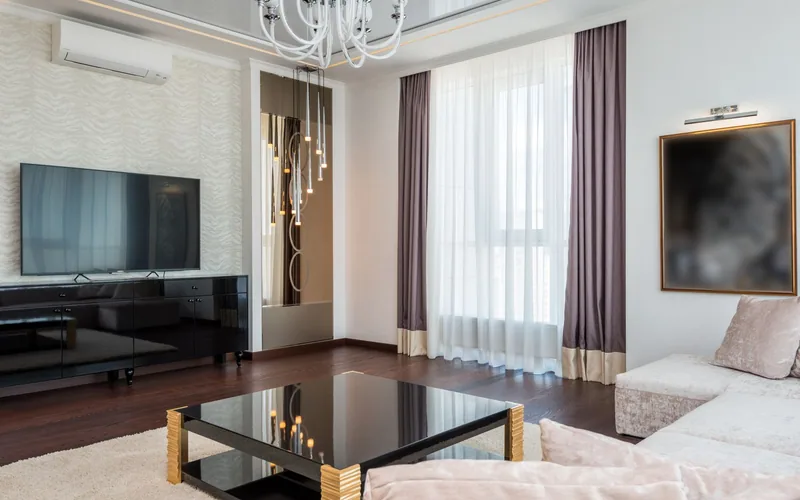
Photographs from real jobs carried out by the crew.
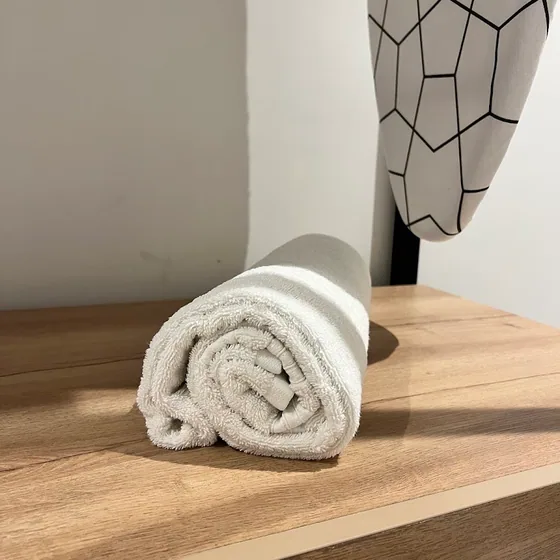
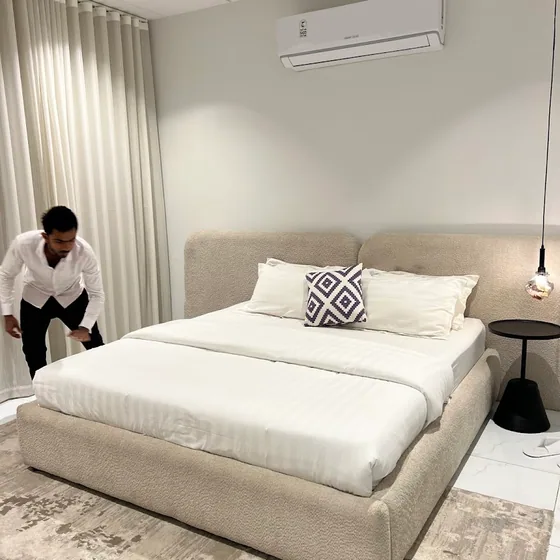
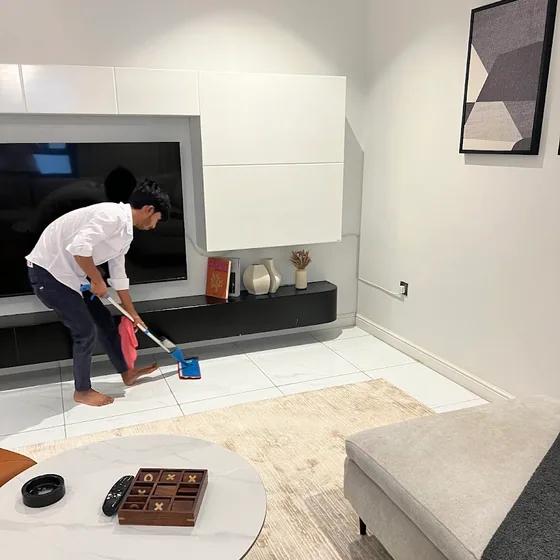
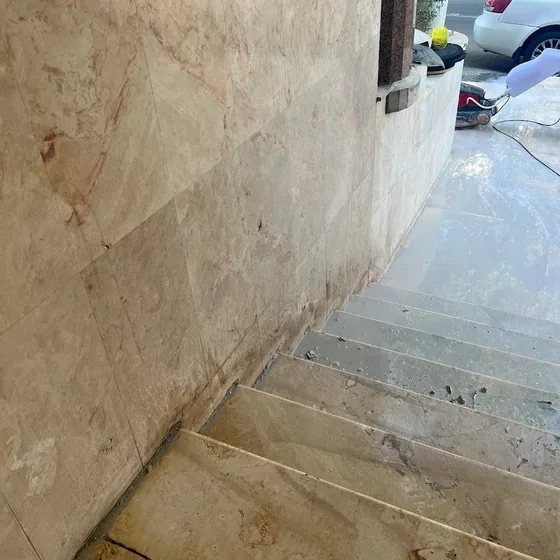
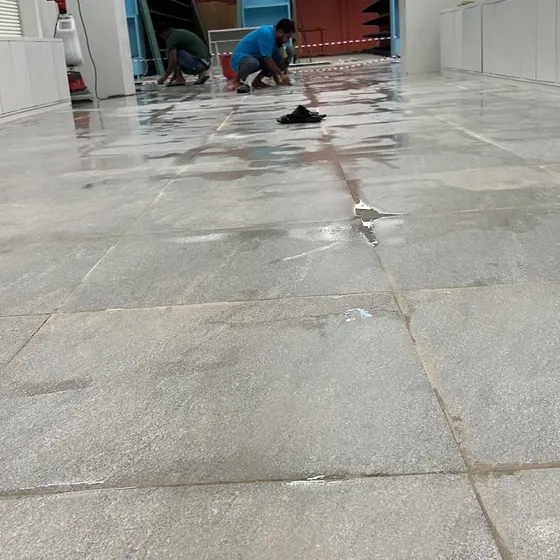
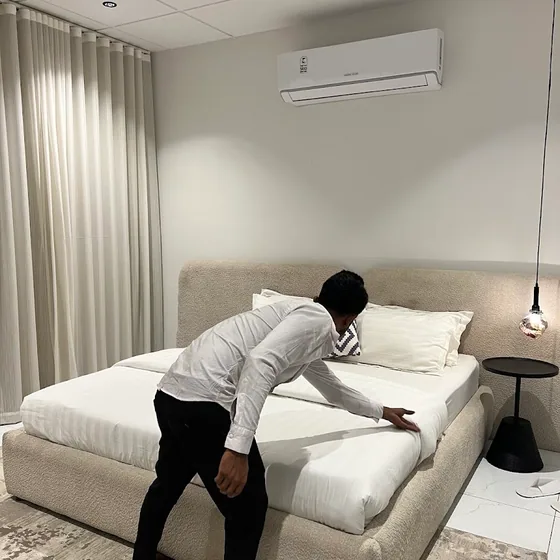
The commitment is simple enough to actually keep: we don't leave until you've seen the result and had your say on it.
We look at the job and agree the figure before any work begins, and nothing is added to it afterwards. If the scope changes during the visit we stop and ask you before carrying on.
At the end of the visit we walk the place with you. Anything you point at is redone in the same visit, not booked for another one, and at no extra cost.
We arrive when we said we would. If that becomes impossible you hear it before the appointment rather than after, because waiting without knowing how long is worse than a delay you were told about.
Everything we offer in this category, in a single visit if you need more than one.
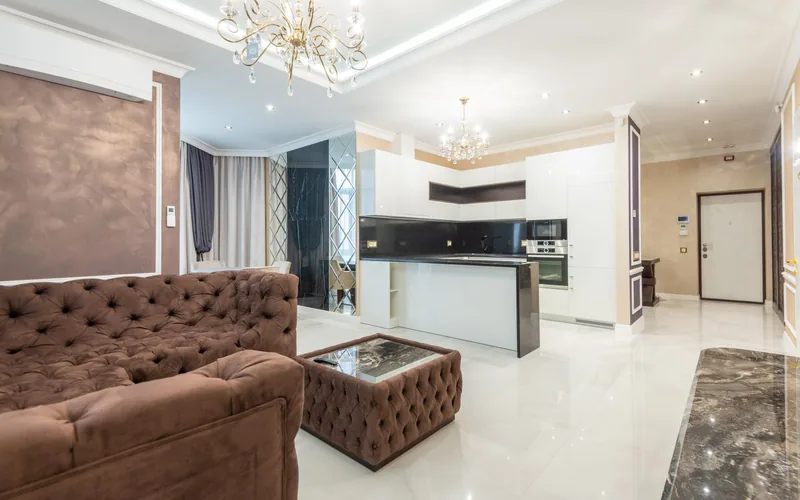
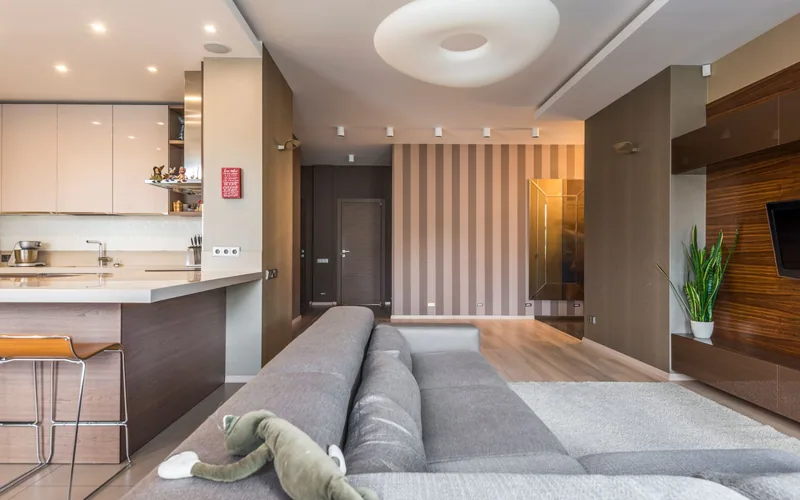

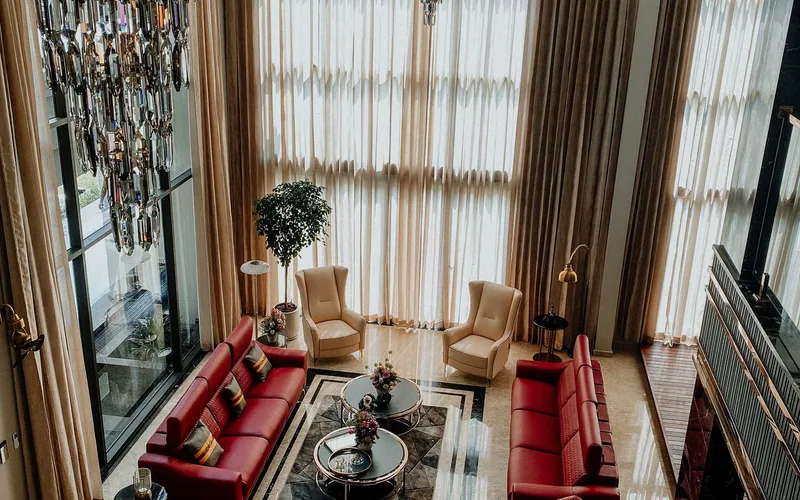


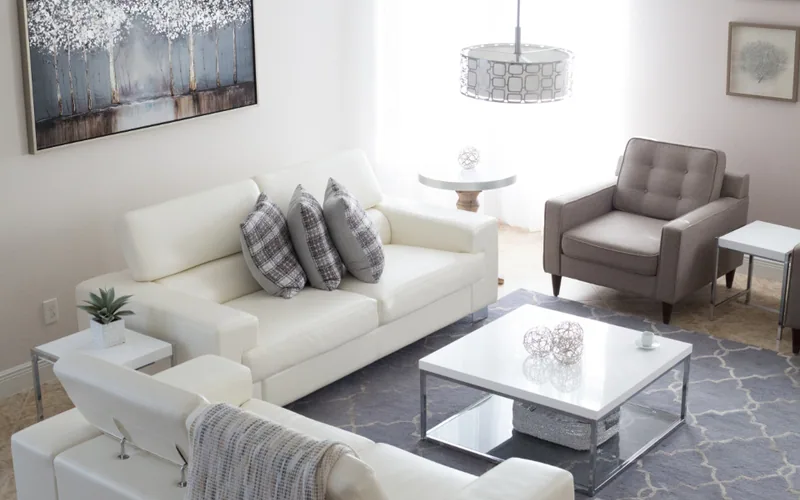
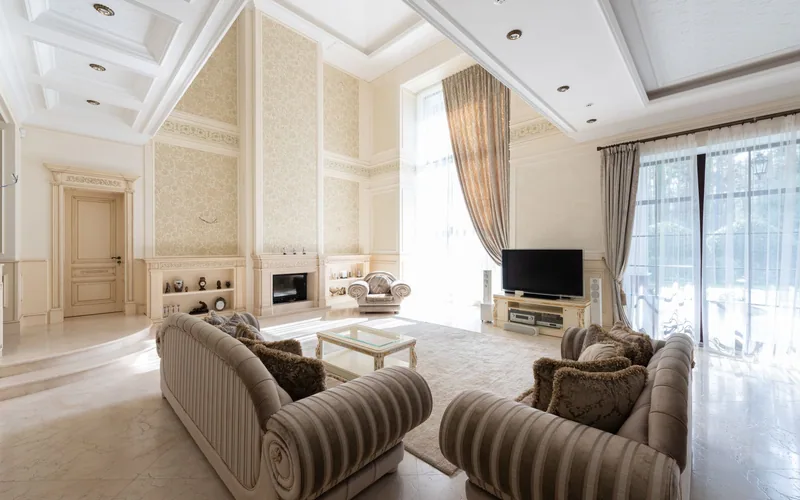
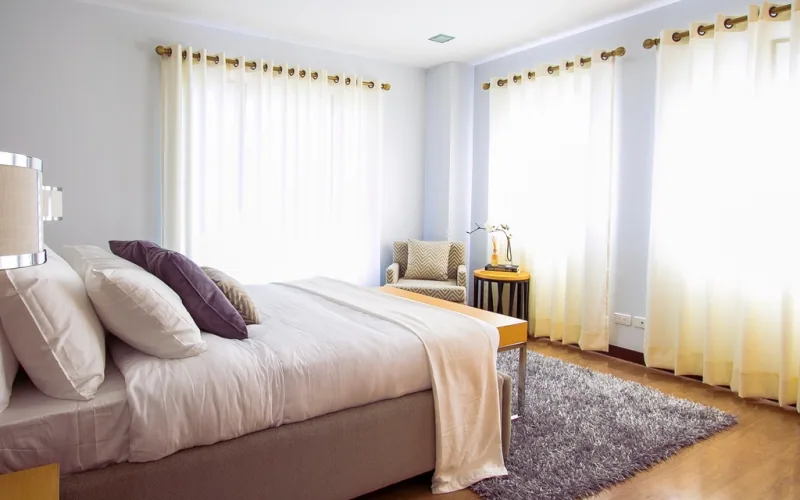
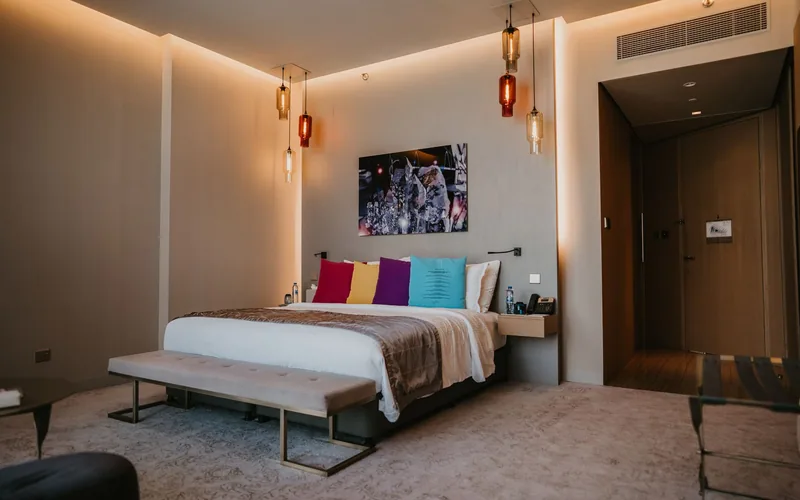
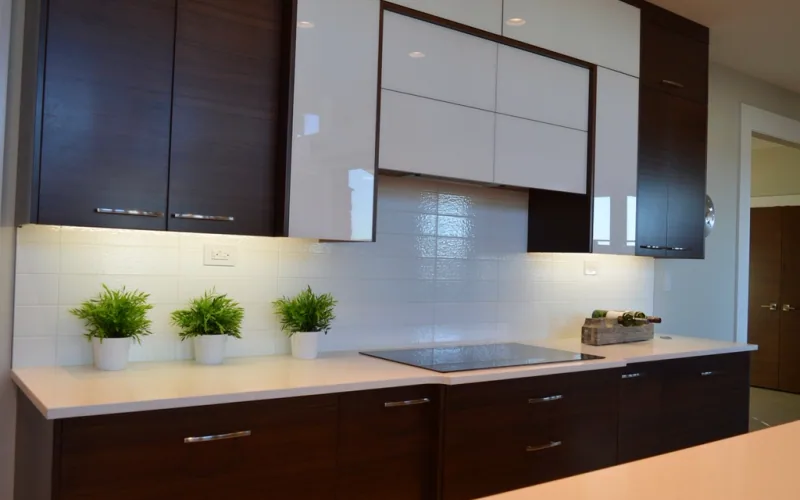
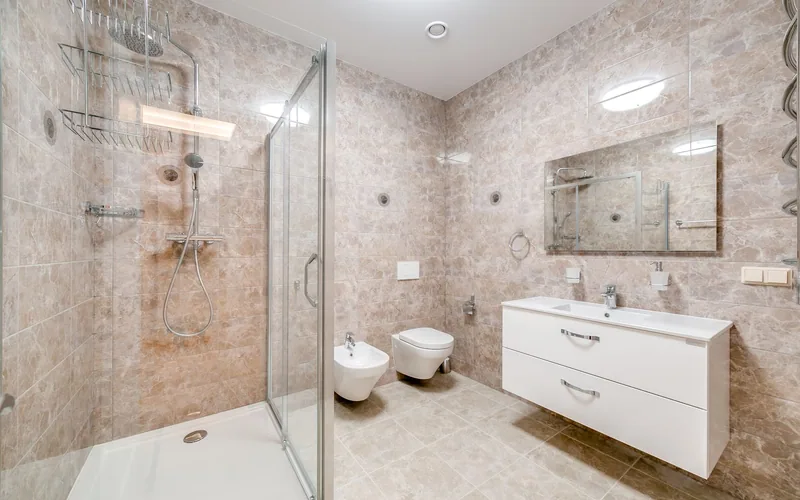



The crew and its equipment travel to you, and the price does not change with the district.
Four steps, and none of them commits you to paying before you have seen the price.
WhatsApp or a call. One photo is usually enough.
In writing, before you commit to anything. You approve it, or we adjust it.
At the agreed time, with everything the job needs.
A walk-through before we leave. The job is not closed until you are satisfied.
Tell us the reason and the rooms on WhatsApp, and you'll get an estimate and an available slot. No work starts before you agree to the figure.