
We know builder's dust
This is not a heavier version of a normal clean.
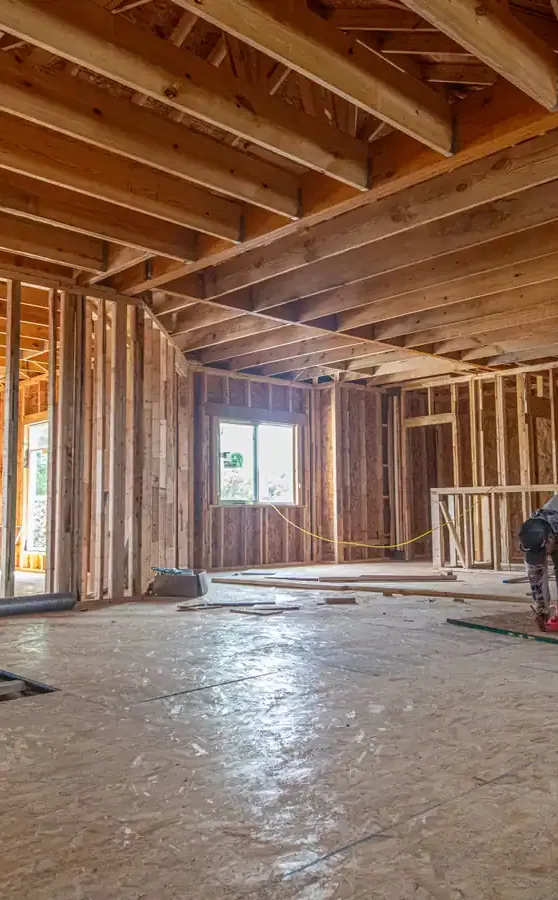
Al Amwaj faces the particular challenge of high humidity and salt air carried inland from the sea. Building dust here does not settle like it does in other areas. Instead it mixes with sea salt and moisture, sticking harder to glass, frames and metal surfaces and leaving a white film even after wiping. Post-construction cleaning here demands special handling of salt deposits that will not respond to dry removal alone.
Sea salt deposits settle on glass and metalwork rapidly here, and high humidity makes building dust heavier and far more resistant to removal than in inner districts. For the method itself, see our post-construction cleaning service in detail.
The salty air in Al Amwaj carries fine salt particles that settle on every surface together with construction dust. This mixture bonds strongly to glass, metals and tile, and wiping alone just spreads it further. Fresh water rinsing followed by rapid drying is the only way to remove salt completely from all surfaces.
The sea air means wet surfaces dry slowly, increasing the risk of settled dirt returning as water evaporates. Villas and flats in Al Amwaj need extra ventilation and careful final rinsing to ensure no salt-laden humidity remains in the air after the work.
Salt causes rapid corrosion on metals, and window frames of aluminium need gentle scraping before rinsing. Salt deposits trapped in joints and crevices require careful removal to avoid damage to the frame seals.
Al Amwaj lies south of Al Lulu between Obhur Road and Prince Abdulmajeed Road, with new residential compounds and villas on plots still being developed, and a direct seafront exposure along its western edge.
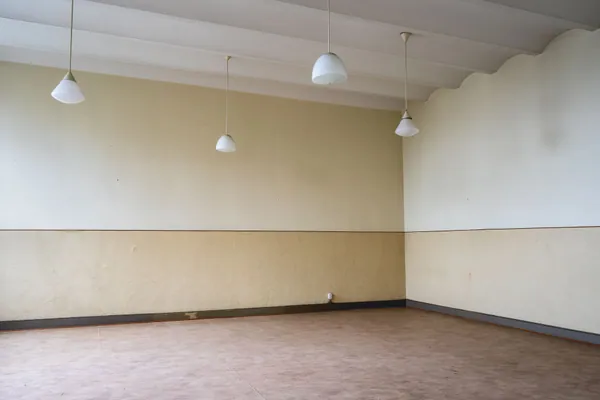
The salty air in Al Amwaj makes building dust heavier, so suction from top down needs more power and more passes than in inland areas.
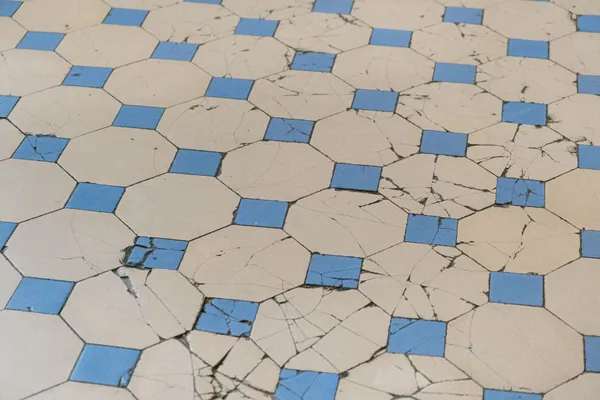
Salt residue mixes with cement and plaster, so scraping must be gentle on sensitive surfaces with immediate rinsing to remove salt deposits.

Glass is covered in a fine salt spray film, and fresh water rinsing with rapid drying is essential to prevent salt bloom returning as moisture evaporates.
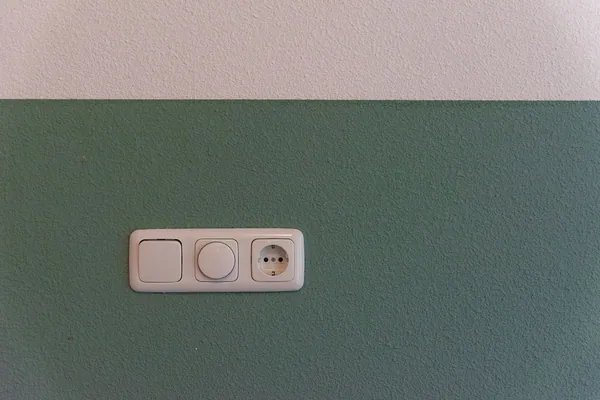
Paint specks bond with salt crystals, and removal requires gentle scraping followed by thorough rinsing to clear any remaining salt traces.
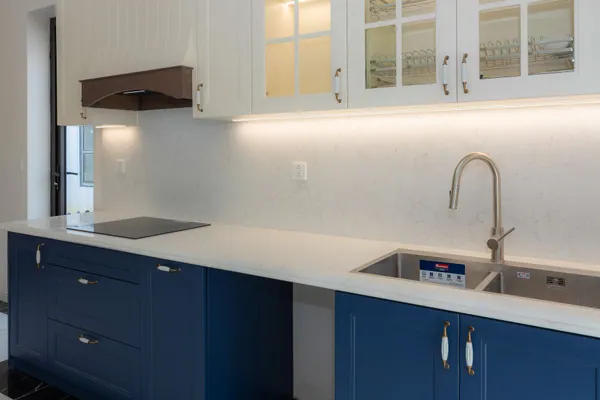
Stickers and adhesive in Al Amwaj stick harder because of moisture, and removal needs gentle soaking before scraping to avoid surface damage.
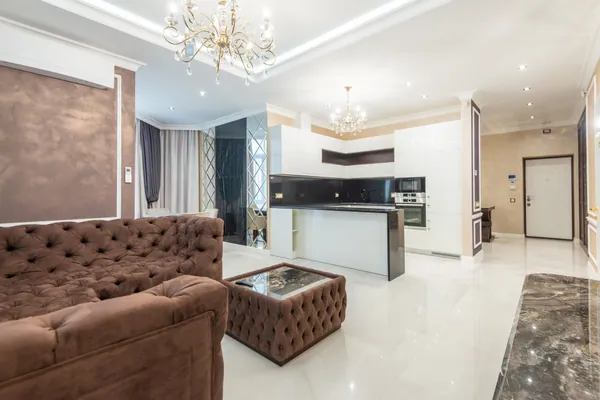
Floors are washed last with fresh water and a final rinse is extended to remove all salt, and drying must be complete to prevent salt residue reforming.
We start at the ceiling, vents and the tops of everything, then work down.
The fine powder is vacuumed and dry-collected first.
Windows, mirrors and the sliding tracks are cleared of grit and sticker residue before the wet stage, so nothing muddy is dragged across them later.
Grout haze, paint spots and adhesive are worked off tile, stone and fixtures with the method each surface can take, tested before we commit to it.
Every closed space is opened and cleared, because that is where settled dust hides until you reach for a plate months later.
Floors are washed only after all the dust above has come down, then we walk the home with you and anything you point to is redone before we leave.
Coastal area: high humidity and salt air through the year
A coastal location means building dust here carries sea salt, so suction and scraping alone are not enough. Repeated rinsing with fresh water is essential to remove the salt deposits that the maritime air deposits on every surface throughout the day.
This is not a heavier version of a normal clean.
The company runs a large crew and we send a team, not a single cleaner.
The vacuums and materials come with the team, not rented on the day.
If a paint spot or cured cement mark cannot come off without risking the surface, we tell you at the inspection rather than damaging it to look busy.
Photographs from real jobs carried out by the crew.












The commitment is simple enough to actually keep: we do not leave before you have walked the home and told us what you think.
Access to Al Amwaj is via Obhur Road or Prince Abdulmajeed Road, and cleaning the villas and residential compounds is organised more easily when the district layout and entrance locations are known, especially for the seafront-facing properties.
We provide these in Al Amwaj too, and more than one can share a single visit.



