
We know builder's dust
This is not a heavier version of a normal clean.
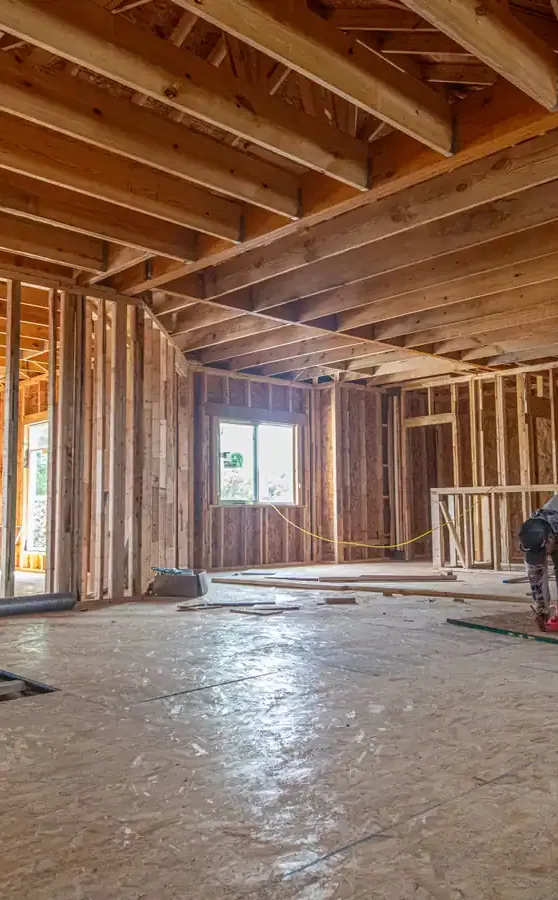
Al Hijaz is a mixed district with shops at street level and apartments directly above them, near the University of Jeddah road and Wadi Al Ghawla. Construction dust from the work inside combines with street dust and vehicle exhaust rising from below, making upper floor flats significantly dirtier than isolated buildings. The air is drier than the coast, but the dust is coarser and darker, and every flat needs strong ventilation.
Upper floor flats find that street dust and vehicle exhaust have risen through open windows and balconies before the interior work is finished, making the higher storeys dirtier than the ground floor. For the method itself, see our guide to post-construction cleaning.
Flats above shops sit directly in the path of rising hot air that lifts dust and fumes from the street. The dust is coarse building grit mixed with diesel soot and vehicle particles. It rises through open windows and balcony doors during construction and settles heavily on every horizontal surface, curtains and soft furnishings. Wiping spreads it; only suction and rinsing remove it.
This is not fine gypsum dust alone, but cement particles coated with oils from vehicle exhaust and street wear. It rises on thermal currents and sticks to fabrics with far more grip than clean construction dust does. Washing needs more water and faster drying, or the oily film re-deposits as surfaces cool.
Upper floor windows take the full force of upward rising dust and exhaust. Cement residue mixed with oils leaves glass cloudy within hours, and needs repeated cleaning through the first day after work ends. Interior walls near windows show a grey line where dust settled against the glass.
A relatively newer residential district in the Taibah sub-municipality east of Jeddah, close to University of Jeddah Road and Wadi Al Ghawla with active commercial ground floors and residential upper storeys.
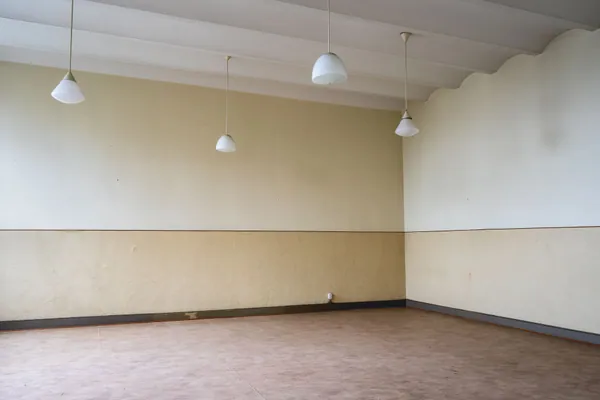
Street dust mixed with engine oil settles from above downward and clings to every surface; we start at ceilings and windows, working down with continuous ventilation to prevent redistribution of the oily particles.
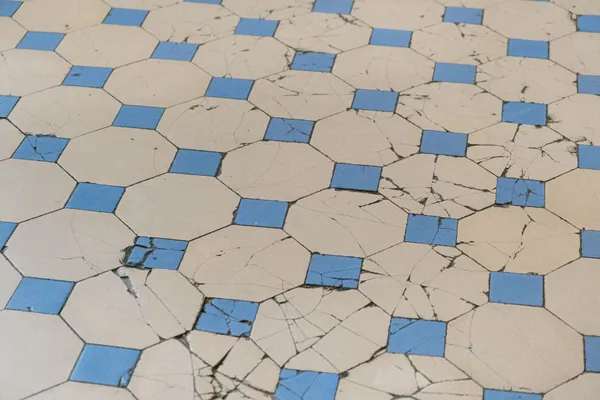
Cement residue combined with traffic oils is difficult to remove dry, so we use slightly warm water and soft brushes to break the bond before scraping.
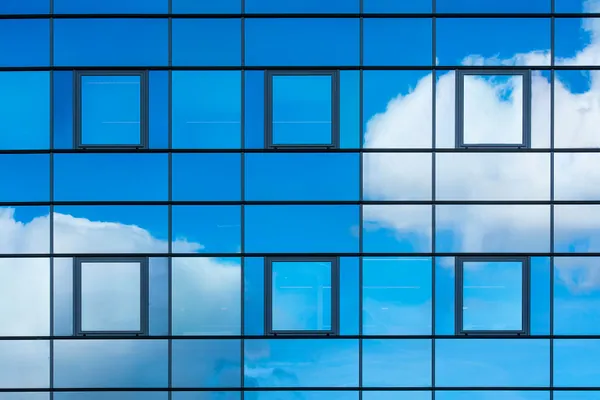
Glass in upper flats clouds quickly from vehicle exhaust; we use soft water with a trace of vinegar, then squeegee completely dry to prevent oil films re-depositing as surfaces cool.
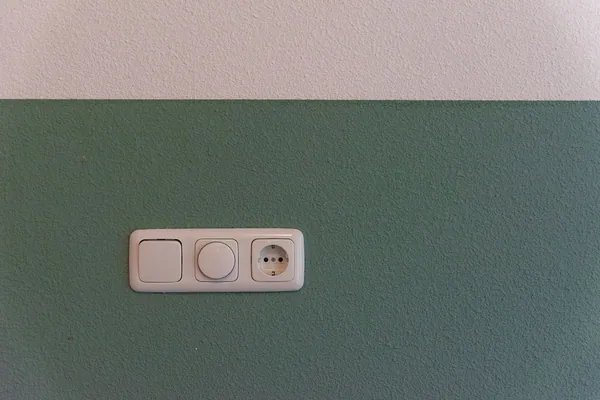
Paint spatter carries street oil residue and is harder to lift; we remove it carefully dry first, then rinse that area with slightly warm water to flush away oily particles.
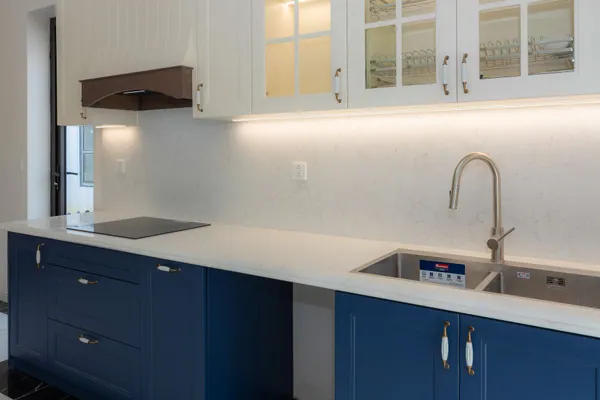
Stickers and adhesive trap street dust underneath, so we remove them quickly before the full wash to prevent re-settling.
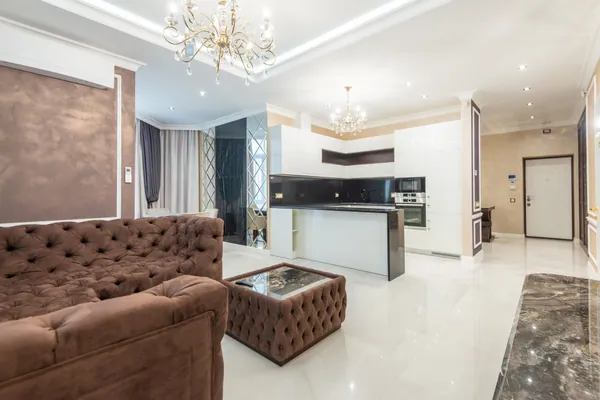
Floors need vigorous dry sweeping first to remove grit and oil particles, then mopping with minimal water and immediate drying, as standing water allows oils to re-distribute.
We start at the ceiling, vents and the tops of everything, then work down.
The fine powder is vacuumed and dry-collected first.
Windows, mirrors and the sliding tracks are cleared of grit and sticker residue before the wet stage, so nothing muddy is dragged across them later.
Grout haze, paint spots and adhesive are worked off tile, stone and fixtures with the method each surface can take, tested before we commit to it.
Every closed space is opened and cleared, because that is where settled dust hides until you reach for a plate months later.
Floors are washed only after all the dust above has come down, then we walk the home with you and anything you point to is redone before we leave.
Flats along University of Jeddah Road and near Wadi Al Ghawla sit above constant traffic flow, so cleaning work starts from street entry upward, with special attention to balcony doors, windows and the first interior surfaces where rising dust and exhaust first settle.
This is not a heavier version of a normal clean.
The company runs a large crew and we send a team, not a single cleaner.
The vacuums and materials come with the team, not rented on the day.
If a paint spot or cured cement mark cannot come off without risking the surface, we tell you at the inspection rather than damaging it to look busy.
Photographs from real jobs carried out by the crew.












The commitment is simple enough to actually keep: we do not leave before you have walked the home and told us what you think.
East Jeddah lies furthest from the sea and closest to the open ground and hills beyond the ring roads, so the air is drier and the dust is coarser and paler than on the coast. It comes in under doors and settles on every flat surface overnight, making sofas, mattresses and curtains the heaviest part of the routine. Floors are mostly ceramic tile in the apartment districts and marble in the villa areas, both scratched by grit that is mopped rather than swept. Roof tank water leaves a grey film of sediment in baths and basins.
We provide these in Al Hijaz too, and more than one can share a single visit.



