
We know builder's dust
This is not a heavier version of a normal clean.
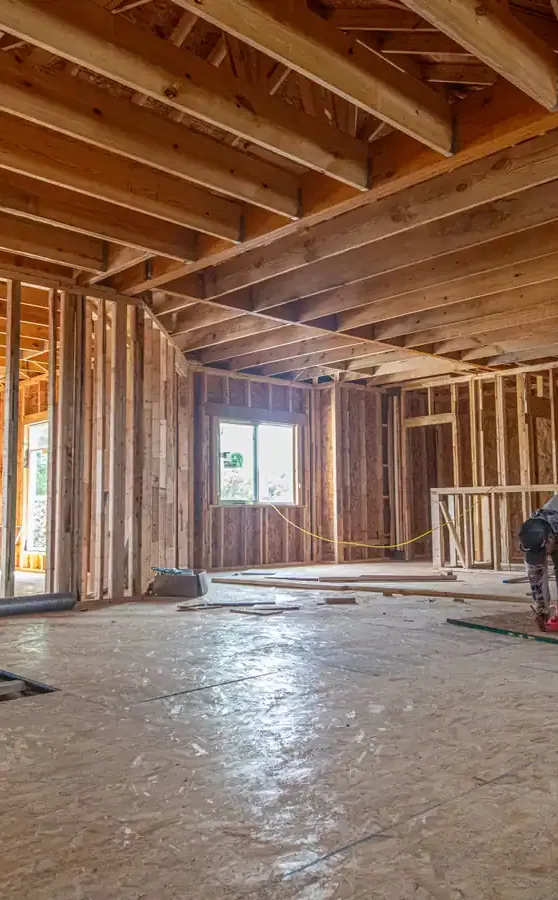
Taybah Ruhaili in northeast Jeddah is growing fast with new residential projects completing regularly. Newly finished villas and apartments need specialist cleaning from day one. Building dust is not household dust: it is far finer, hangs in the air for hours, then settles into every crack, crevice, window track and door seal. A dry cloth just redistributes it. Proper removal requires powerful suction first, then scraping, then controlled washing.
Completed apartments and villas in Taybah contain dried cement dust, plaster powder and paint spatter on every hard and soft surface, requiring strict top-to-bottom removal sequence to avoid resettlement. For the method itself, see the full post-construction cleaning page.
Building dust particles are far smaller than household dust and remain airborne for hours after work stops. Dry wiping just stirs it back into the air. Powerful HEPA suction first captures settled dust before mopping, preventing it from floating back down during or after the wash.
Dried cement and gypsum particles bond chemically to ceramic and glass surfaces. Water alone will not dissolve them. Careful scraping with plastic tools or soft brushes breaks the bond before water rinsing, leaving no scratches or etching on the surface.
Paint spray dries to a hard film on tile, wood frames and glass. Water will not lift it. Light scraping with appropriate tools removes spatter, followed by a final gentle wash to catch residue without damaging the underlying material.
A growing district near Sharm Obhur and Wadi Obhur with rising residential density and numerous new residential projects completing construction regularly throughout the year.
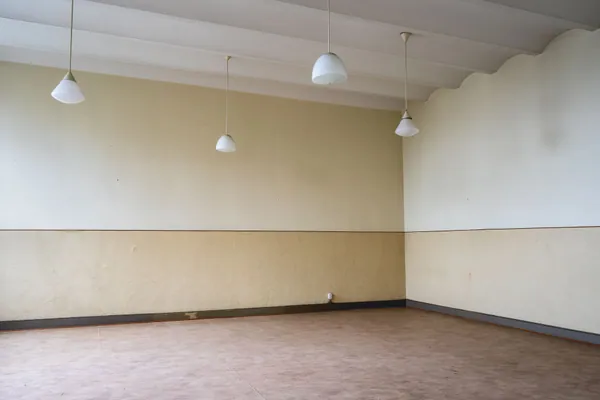
Strong suction from ceilings, fans and high shelves first captures airborne dust before it settles further. Without proper suction, mopping will simply stir settled dust back into the air and delay completion.
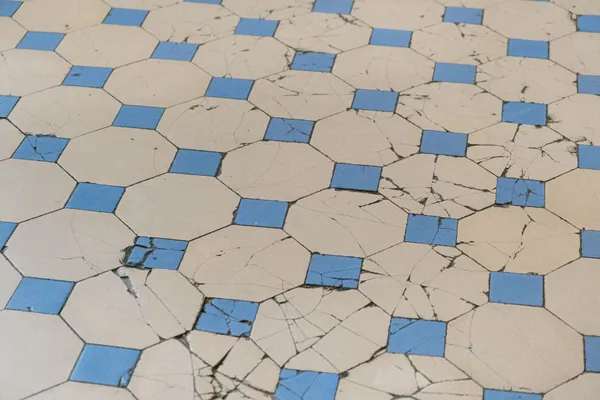
Scraping tile and ceramic requires plastic tools and close inspection of the surface during work, because dried cement bonds hard and needs adequate force without scratching the material underneath.

Glass and mirrors need scraping, safe-cleaner wash, then final rinse with fresh water, as cement haze and gypsum residue leave a cloudy film that only multiple water changes will remove completely.
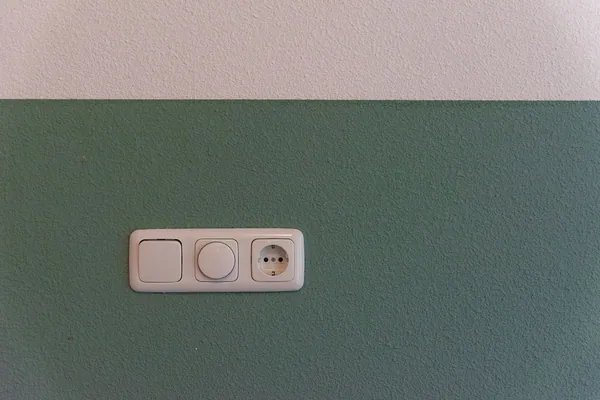
Paint spatter is scraped carefully with tools matched to the surface type. Wood requires extra caution to avoid marking the new finish, while tile can tolerate firmer scraping without damage.
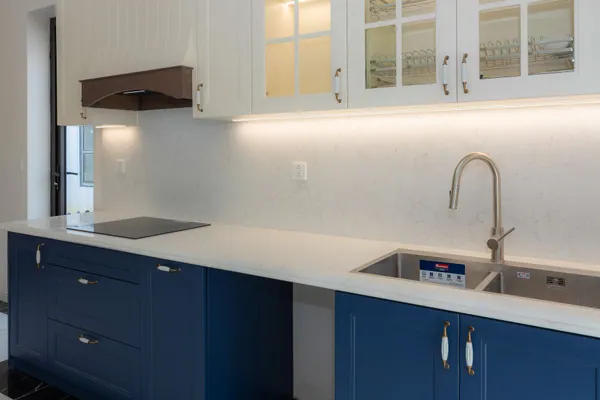
Protective stickers are removed by hand first, gently. Leftover adhesive is dissolved with a specialized safe solvent and removed with very light scraping, followed by immediate drying to prevent residue marks.
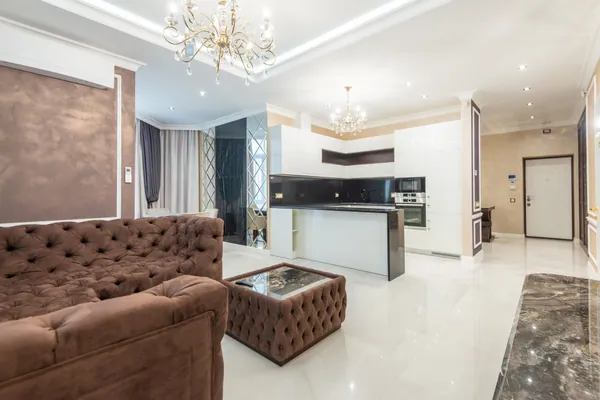
Floors are mopped last with continuously refreshed water, then rinsed multiple times with clean water to remove all cement dust, plaster powder and salt residue, followed by a final dry to prevent watermarks.
We start at the ceiling, vents and the tops of everything, then work down.
The fine powder is vacuumed and dry-collected first.
Windows, mirrors and the sliding tracks are cleared of grit and sticker residue before the wet stage, so nothing muddy is dragged across them later.
Grout haze, paint spots and adhesive are worked off tile, stone and fixtures with the method each surface can take, tested before we commit to it.
Every closed space is opened and cleared, because that is where settled dust hides until you reach for a plate months later.
Floors are washed only after all the dust above has come down, then we walk the home with you and anything you point to is redone before we leave.
Taybah Ruhaili sits about 1.5 km from Al Asalah and about 3.5 km from Al Wadiyah.
Open in Google MapsThis is not a heavier version of a normal clean.
The company runs a large crew and we send a team, not a single cleaner.
The vacuums and materials come with the team, not rented on the day.
If a paint spot or cured cement mark cannot come off without risking the surface, we tell you at the inspection rather than damaging it to look busy.
Photographs from real jobs carried out by the crew.












The commitment is simple enough to actually keep: we do not leave before you have walked the home and told us what you think.
North Jeddah is largely newer villa districts and compounds around Obhur and inland from it. Homes here tend to have marble or porcelain floors, large windows and a garden or courtyard, so the routine is set by what comes in from outside: fine sand carried on sandals, and sprinkler spray that dries to a chalky ring on tiles. Near the creek and the coast, sea air leaves a faint salt film on glass and on outdoor cushions, which stiffens fabric. Curtains and upholstery in these open plan rooms catch the dust that settles overnight.
We provide these in Taybah Ruhaili too, and more than one can share a single visit.



