
Piece count, not room count
A three-seater is not an armchair. We ask about the number and the sizes, because pricing by the room penalises whoever has two pieces and flatters whoever has ten.
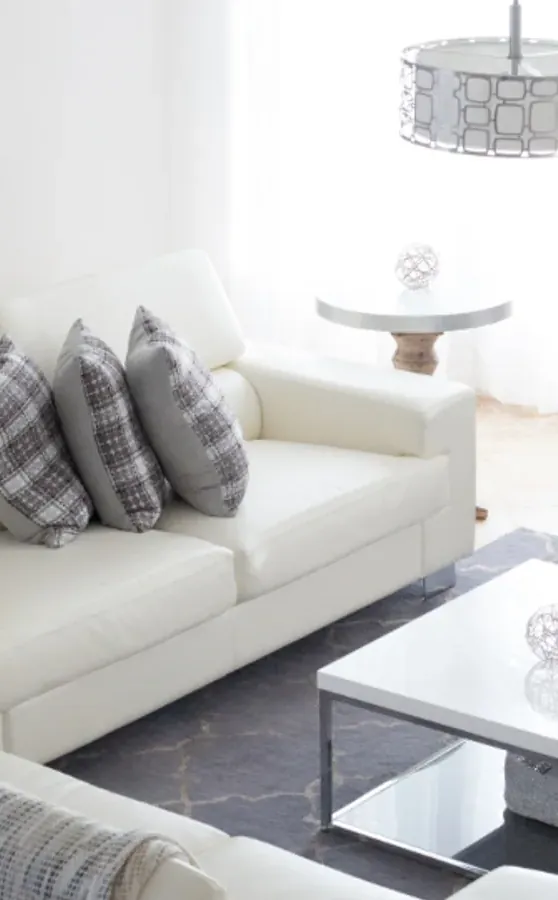
Upholstery absorbs long before it looks dirty. Perspiration, the natural oils from skin, and dust travel down into the foam, so the texture and the smell change before the colour does. Vacuuming does not reach that layer. A wash by the method that suits the fabric does.
Smell is the last sign, not the first. If one of these applies to you, the time has come.
Fabric that used to feel soft is rougher under the hand. This is the earliest sign of all, and it arrives before any change in colour.
A faintly shiny patch in the usual seats. That is skin oil the weave has absorbed, not a trick of the light.
If you open the majlis after two days and meet a smell, the inner foam has become saturated. Vacuuming does not treat that.
Fabric traps dust and mites. Anyone affected by either notices it in the majlis before they notice it in the bedroom.
Coffee, juice and oil travel inward. The longer it sits the longer treatment takes, which is why it is dealt with early.
If you cannot recall it, longer has passed than you think. A guest majlis used weekly deserves washing well before that.
The second list is the one that prevents disputes, it is usually in small print, or not written at all.
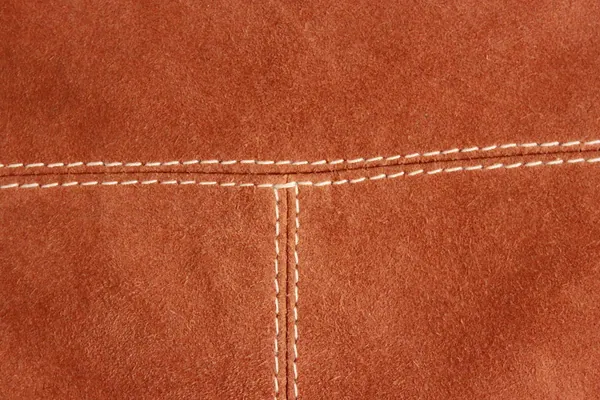
We identify the type and test the product on a hidden patch before starting.
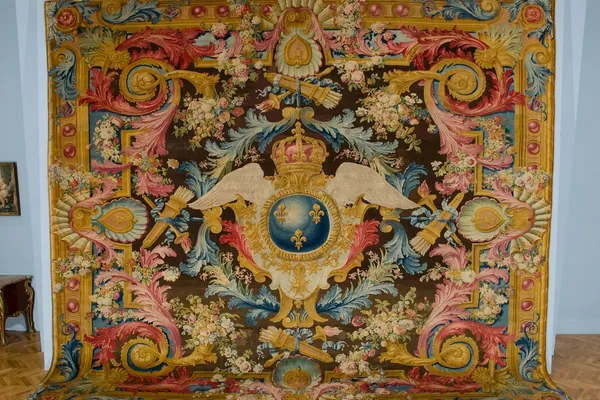
Before any water, because water on dust makes mud that travels inward.
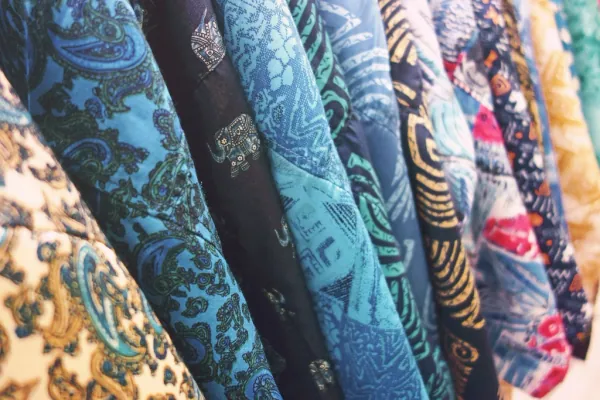
Not only the visible face, the back and the sides are washed the same way.
Both sides and underneath, where what is never seen collects.

Before the general wash, because a general wash sets whatever was not treated.
It draws the soiled water out of the foam, then we ventilate before leaving.
If your case is one of these, we say so at the inspection rather than after payment. In most of them we point you to the right trade, even when the work is not ours.
The order here is not a detail. Reversing it ruins the piece, and that is what we are most often called in to repair after somebody else.
Cotton, velvet, chenille and synthetics do not take the same heat or the same product. We test a hidden patch and look at the result before starting.
Before any water. Water on dusty fabric turns dust into mud that travels inward instead of out, the mistake that leaves a piece worse than it was.
An oil mark is not treated like a juice mark. Each is handled separately before the general wash, because the general wash sets whatever was not treated.
We wash with the method that suits the fabric. It releases what has bonded inside the weave and draws it straight back out with the water, in one pass, so no water is left in the foam.
The piece is left slightly damp, never wet. Foam saturated with water is the cause of the smell that appears after a wash, and avoiding it starts with extraction strength, not with drying afterwards.
We go over the pieces with you before leaving. Anything you point out is redone on the same visit.
We do not publish a fixed figure, because cases genuinely differ. These are the factors we ask about, so you know where your job sits before you call.
A three-seater is not an armchair. We ask about the number and the sizes, because pricing by the room penalises whoever has two pieces and flatters whoever has ten.
Velvet and chenille need more time and dearer products than cotton and synthetics. The difference is genuinely in the hours, not only in the quote.
A majlis washed every six months is not a majlis untouched for years. The second may need two passes, and we say so before starting.
Old and oil-based marks need individual treatment before the general wash. They are priced with everything else, not sprung on you afterwards.
Carpets or mattresses alongside the upholstery in one visit costs less than two, because travel and setup are paid once.
Send a photo of the majlis and the number of pieces on WhatsApp, and you get a price and an estimated duration before committing to anything.
It is a fair question, and domestic cleaning machines are widely available. This is the real difference, not the advertised one.
Testing the product on a hidden patch is a step we treat as necessary rather than optional. A piece that is damaged is not compensated by a discount.
The company employs more than forty cleaners, and we send a crew rather than an individual. A large majlis is finished in one visit instead of being split across two days.
The washing and extraction machines are ours and travel with the crew. No waiting and no postponement because the machine is at another client's property.
If a piece needs reupholstering rather than washing, we say so. A visit that was never needed costs us more in trust than it earns in fees.
Photographs from real jobs carried out by the crew.
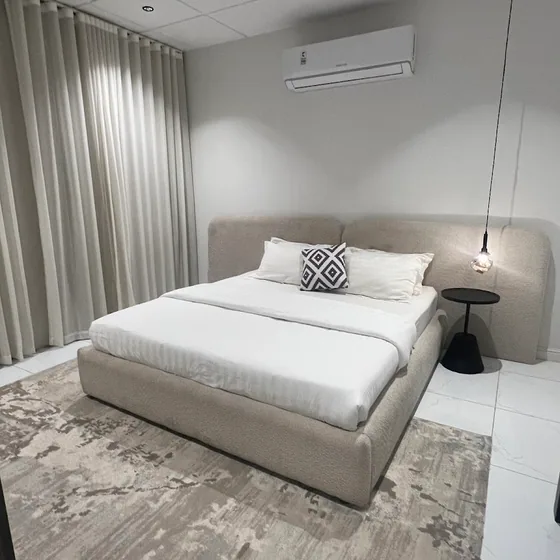
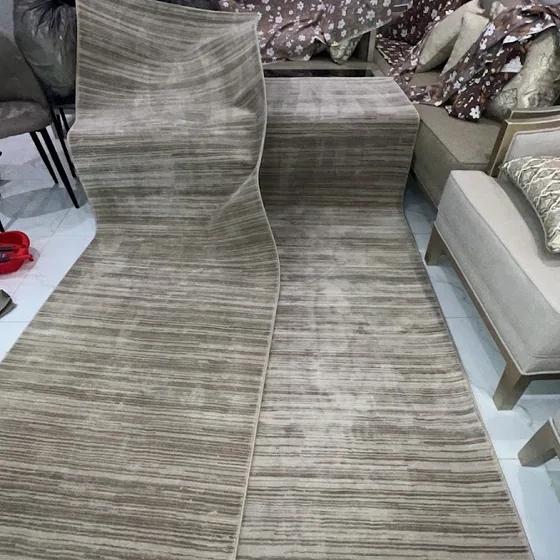
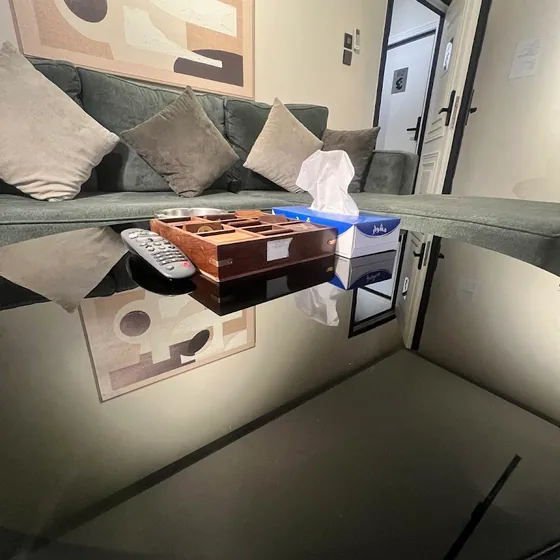
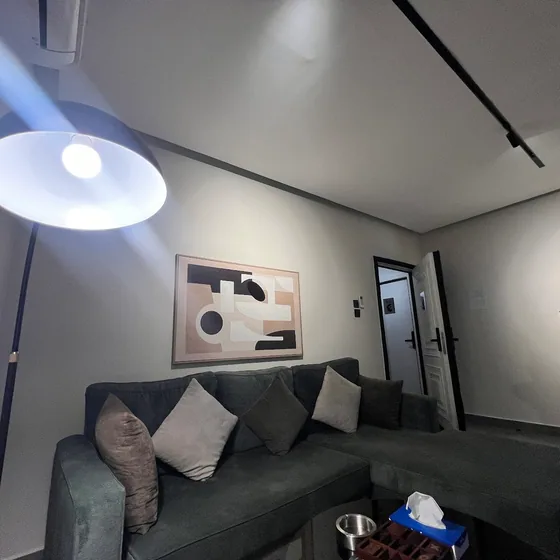
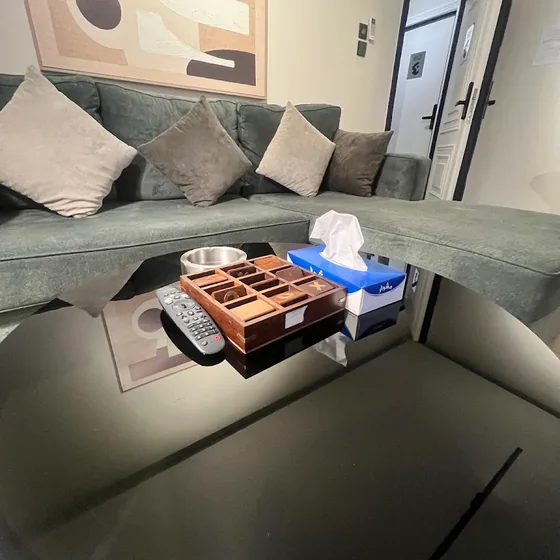
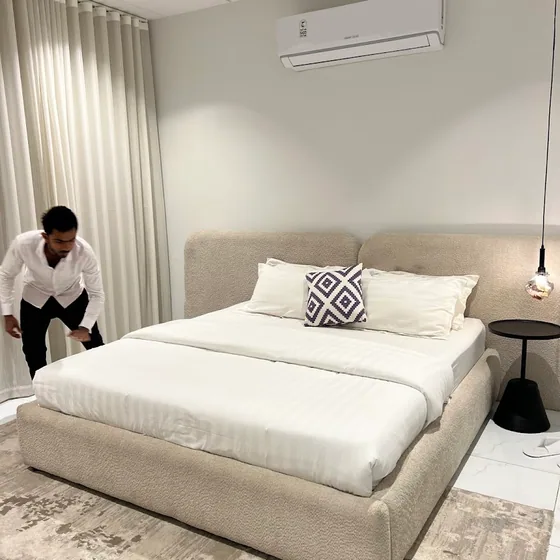
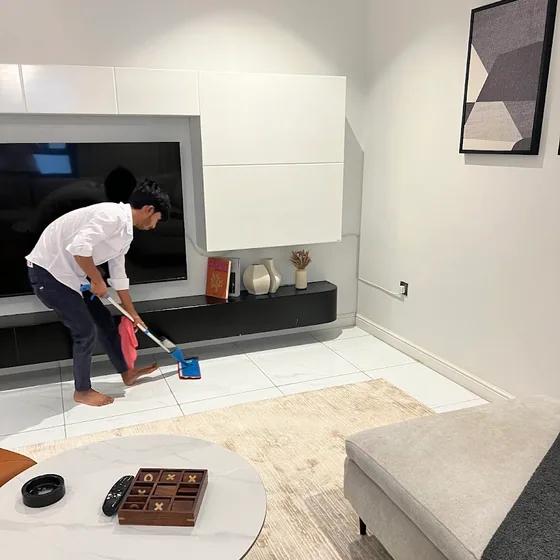
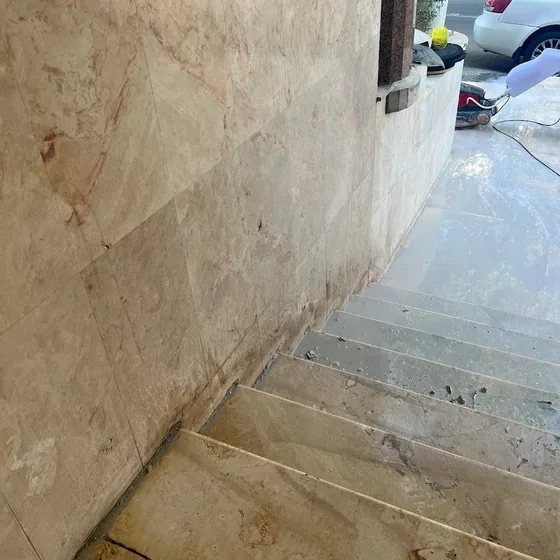
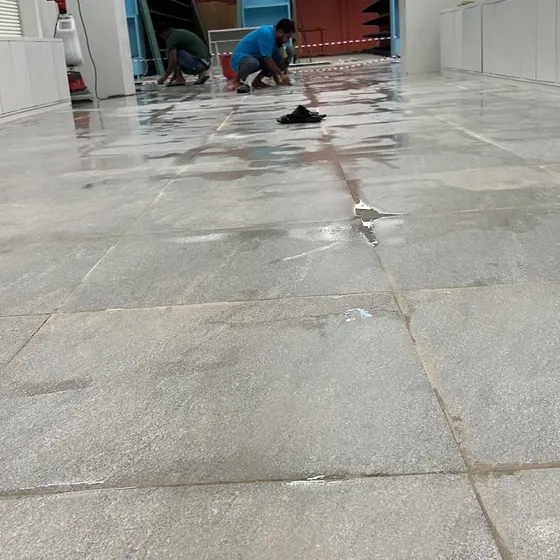
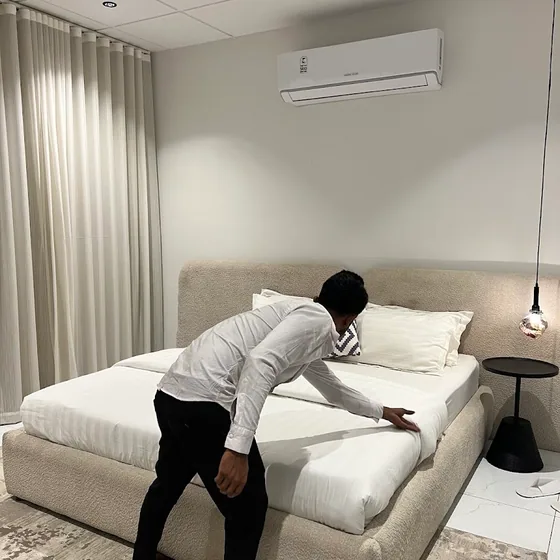
The commitment is simple enough to be keepable: we do not leave until you have seen the result and given your view of it.
We look at the job and agree the figure before any work begins, and nothing is added to it afterwards. If the scope changes during the visit we stop and ask you before carrying on.
At the end of the visit we walk the place with you. Anything you point at is redone in the same visit, not booked for another one, and at no extra cost.
We arrive when we said we would. If that becomes impossible you hear it before the appointment rather than after, because waiting without knowing how long is worse than a delay you were told about.
Everything we offer in this category, in a single visit if you need more than one.
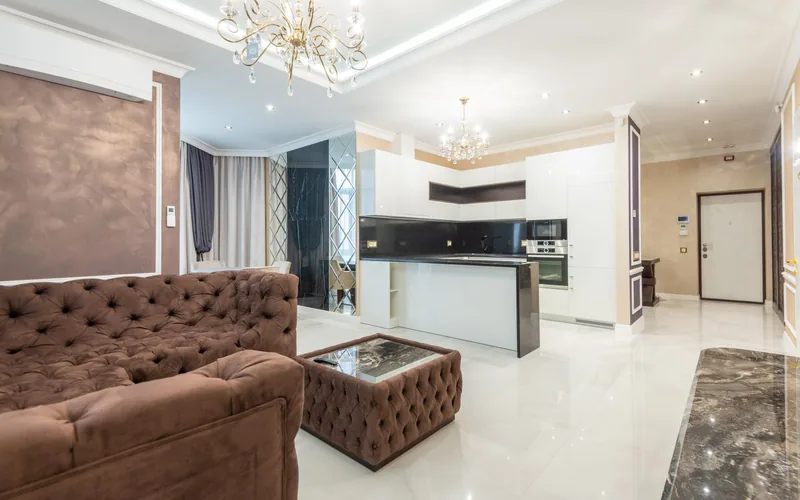


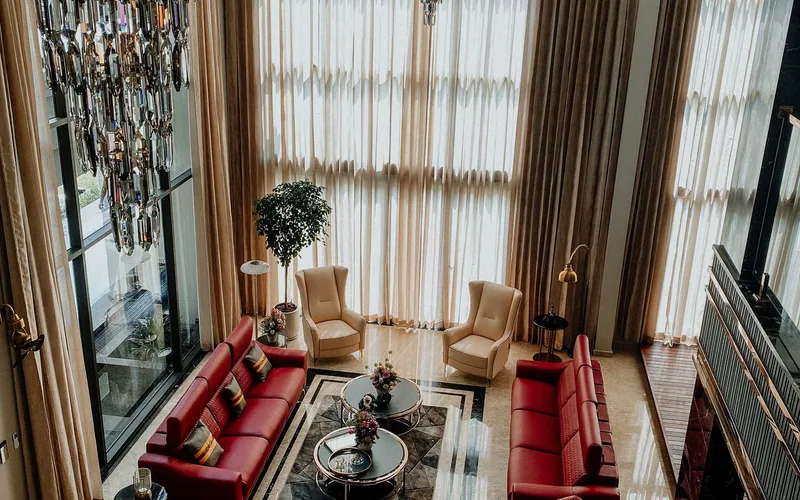



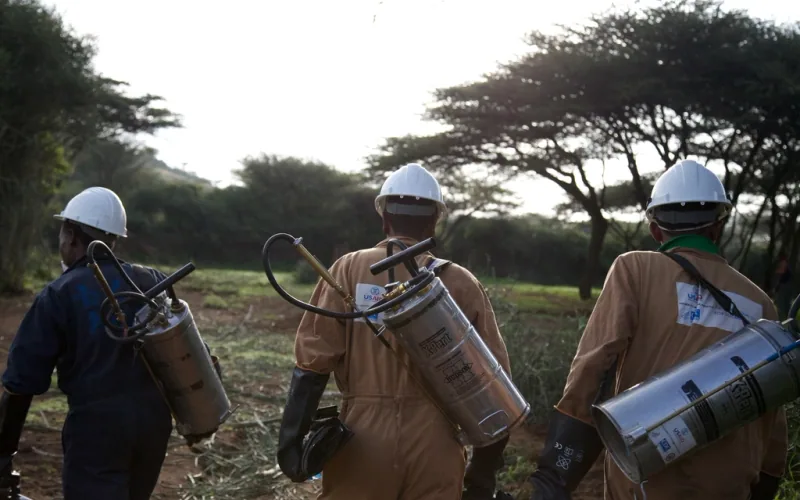


The crew and its equipment travel to you, and the price does not change with the district.
Four steps, and none of them commits you to paying before you have seen the price.
WhatsApp or a call. One photo is usually enough.
In writing, before you commit to anything. You approve it, or we adjust it.
At the agreed time, with everything the job needs.
A walk-through before we leave. The job is not closed until you are satisfied.
Send the number of pieces and the fabric type, and you get a price and an available time. No work starts before you approve the figure.