
We know builder's dust
This is not a heavier version of a normal clean.
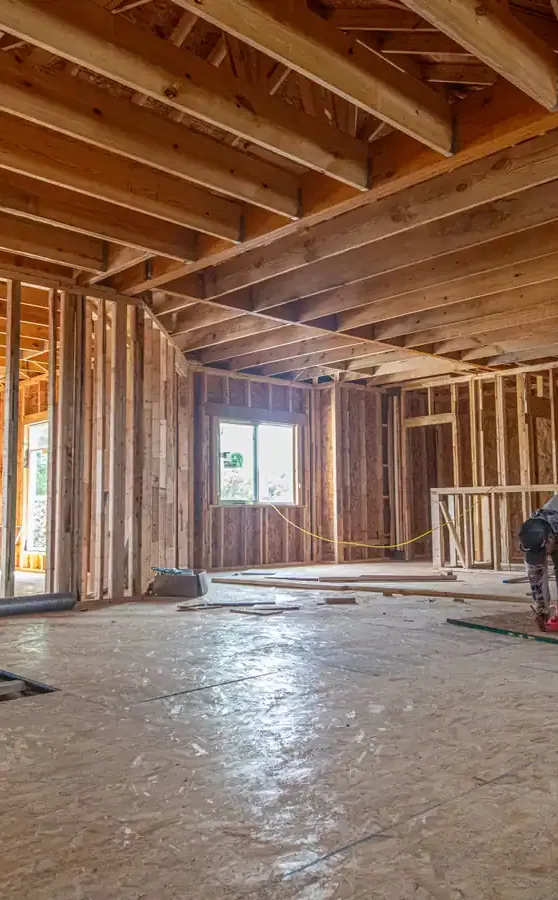
Petromin is newly built on the edge of Jeddah oil refinery, and the air here carries fine oil particles and hydrocarbons mixed with ordinary construction dust. This makes the dust stickier and harder to remove than in other quarters. Ordinary wiping spreads it. The job needs a degreasing wash that removes both the construction grit and the hydrocarbon film together, with careful drying to prevent oily residue from resettling on cleaned surfaces.
Homes here are exposed to humidity polluted with light oil particles that make construction dust heavier and much harder to remove than in distant quarters. For the method itself, see what post-construction cleaning involves.
Air from the refinery carries light hydrocarbons and oils that mix with construction dust and make it stick far harder to every surface. Ordinary wiping only spreads it. Removal needs degreasing solutions and strong washing to lift the oily layer.
New glass and ceramic pick up a thin oily layer from the refinery-influenced air. The layer is clear but dulls the shine and makes glass look hazy. Light scraping followed by degreasing wash is needed to restore clarity.
After washing, the oily humidity dries slowly. Dry buffing and good ventilation are essential to prevent tiny oily traces from resettling on clean surfaces and creating a dull film.
A recently developed popular quarter in south Jeddah, part of the old Al Karantina area, built as part of the city's slum clearance and replanning programme, separated from the refinery by a single main road.
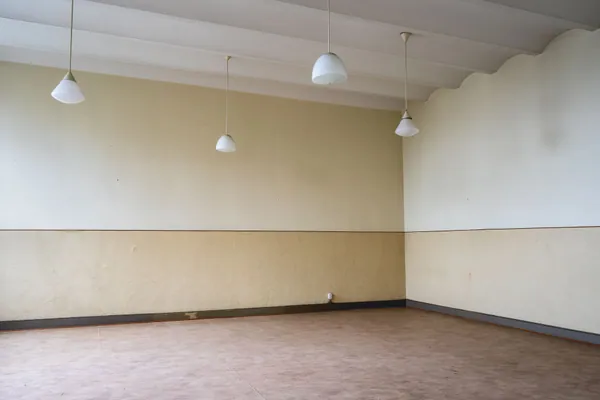
Oil particles from refinery air make construction dust heavier and harder to lift from high surfaces, so powerful suction is essential and dry wiping must follow immediately after washing.
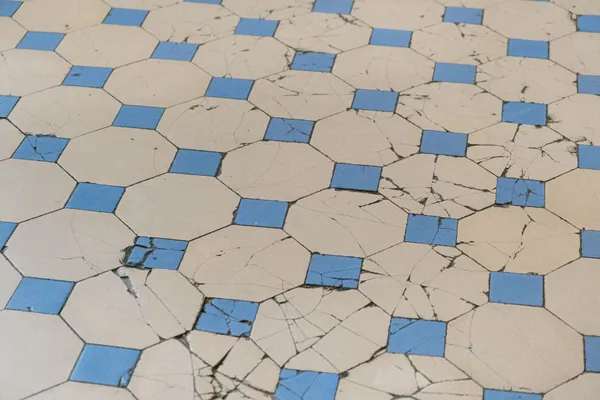
Cement and plaster remnants mixed with light oils become sticky and require pre-soaking with degreasing solution before scraping can be effective.

Haze on glass and ceramic here is oily, not salt, and requires specialist degreasing solution, not ordinary washing to clear.
Paint spatter mixed with oil particles sticks harder and requires scraping with solvents to fully remove without damaging the substrate.
Stickers adhere more strongly due to light oils and may need gentle heat to loosen before safe removal.

Floors must be washed with degreasing solution then double-rinsed with clean water to ensure no oily residue settles during drying.
We start at the ceiling, vents and the tops of everything, then work down.
The fine powder is vacuumed and dry-collected first.
Windows, mirrors and the sliding tracks are cleared of grit and sticker residue before the wet stage, so nothing muddy is dragged across them later.
Grout haze, paint spots and adhesive are worked off tile, stone and fixtures with the method each surface can take, tested before we commit to it.
Every closed space is opened and cleared, because that is where settled dust hides until you reach for a plate months later.
Floors are washed only after all the dust above has come down, then we walk the home with you and anything you point to is redone before we leave.
This is not a heavier version of a normal clean.
The company runs a large crew and we send a team, not a single cleaner.
The vacuums and materials come with the team, not rented on the day.
If a paint spot or cured cement mark cannot come off without risking the surface, we tell you at the inspection rather than damaging it to look busy.
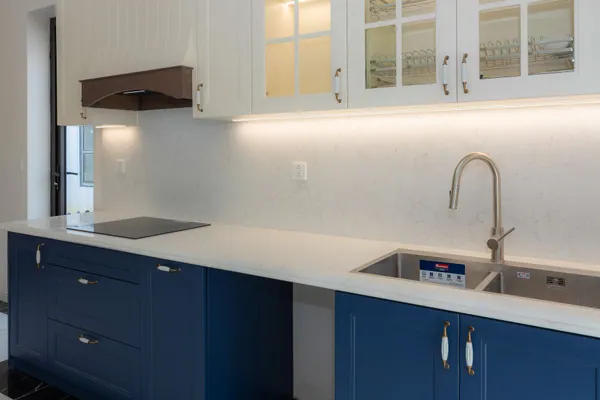
Photographs from real jobs carried out by the crew.












The commitment is simple enough to actually keep: we do not leave before you have walked the home and told us what you think.
In Petromin, cleaning is organised around Al Nujoom Roundabout and Al Falah Road, where we route the team from the main road away from refinery proximity to limit exposure of equipment and staff to airborne pollutants.
We provide these in Petromin too, and more than one can share a single visit.



