
The size of the kitchen
A compact kitchen is not a large one with a full run of cabinets. We ask about the size and layout, because the surface area is what the work follows.
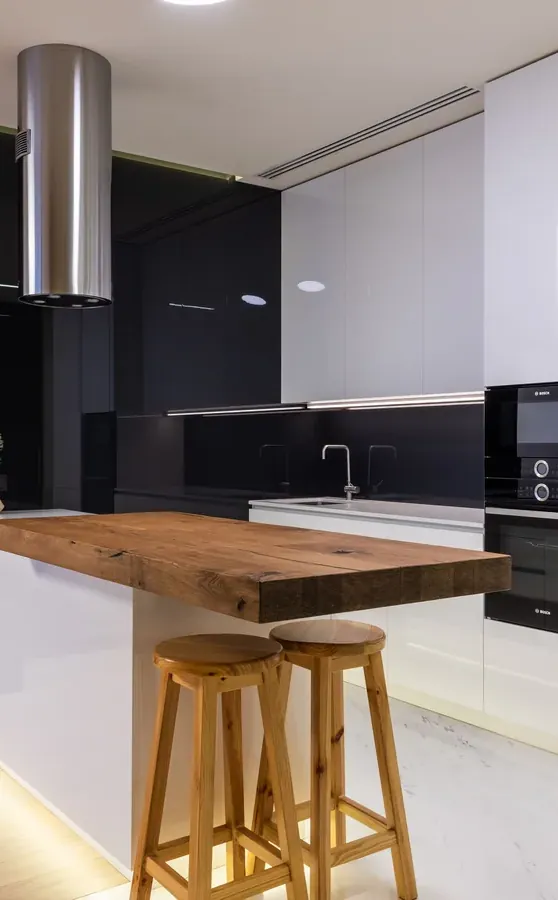
A kitchen does not get dirty the way other rooms do. Cooking sends a fine mist of oil into the air that settles on every surface and turns sticky, then catches dust and holds it. Wiping the counter does not touch it. It builds on cabinet doors, the hood and the wall behind the stove until the whole room feels tacky. Cutting that film needs the right degreaser and the right order.
A tacky feel is the first sign, not the last. If one of these fits, it is time.
Run a finger across an upper cabinet door away from the handle. If it drags instead of gliding, that is a layer of cooking oil, and it is on every surface at that height, not only the door.
Light-coloured cabinets and walls take on a yellow-brown cast over the stove that a normal wipe does not shift. That is oxidised grease, and it needs a degreaser, not a general cleaner.
Close the kitchen for a day and come back. A lingering oily smell means the film has built up on surfaces you do not wipe: the hood, the tops of cabinets, the wall behind the stove.
When the extractor hood pulls weakly or the metal filter is gummed shut with brown grease, it has stopped doing its job and is holding oil right over where you cook.
Grease and dust collect in the grout lines of the backsplash and in the corners the cloth misses, and they darken there first. Once you see it in the grout, the flat tiles are coated too.
Insects follow grease and food traces into the gaps behind and under appliances. Their appearing along the counters usually means buildup has collected where daily cleaning does not reach.
The second list is the one that prevents disputes, it is usually in small print, or not written at all.
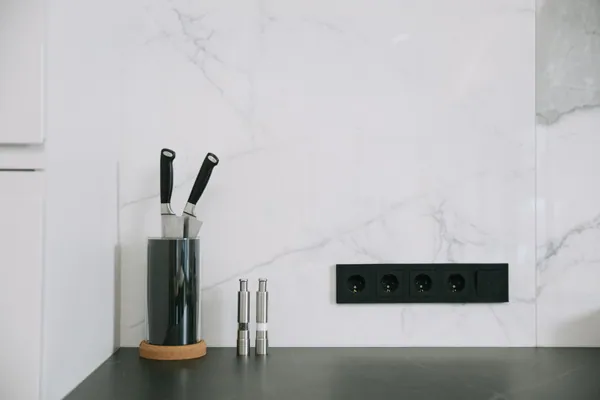
Degreaser is left to sit and then taken off, because a straight wipe slides over the sticky layer without breaking it.
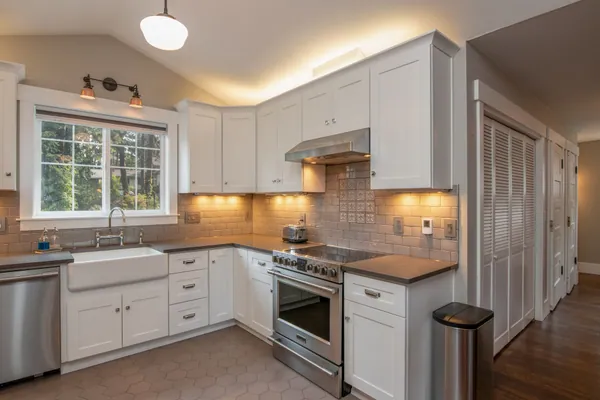
The metal filter is soaked until the trapped grease dissolves and the hood body is cleaned, because grease chokes the suction.
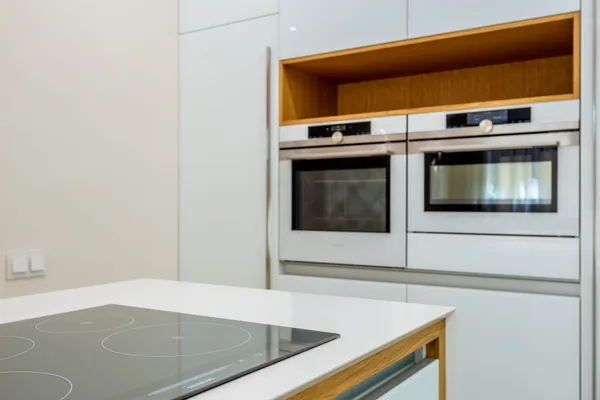
Burnt food and carbon on the oven floor and walls are treated, and the burner caps and rings are soaked clean.
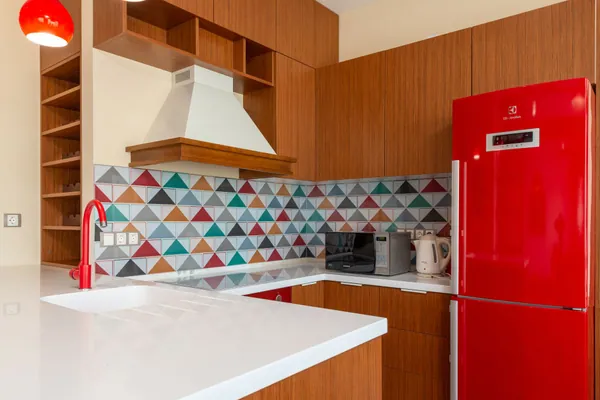
Hardened oil spray is broken off the tile and the darkened grout lines are worked back toward their own colour.
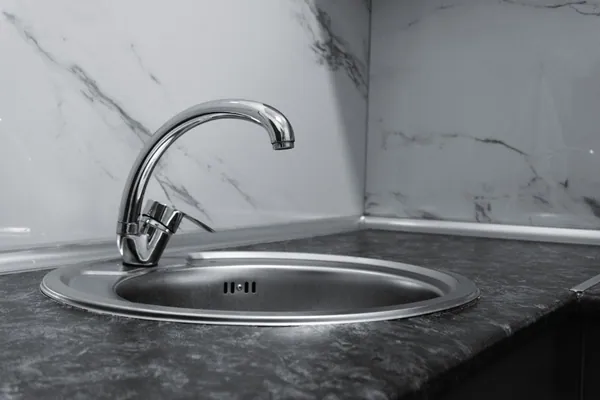
Grease and limescale come off the sink, its surround and the tap, with the corners around the bowl included.
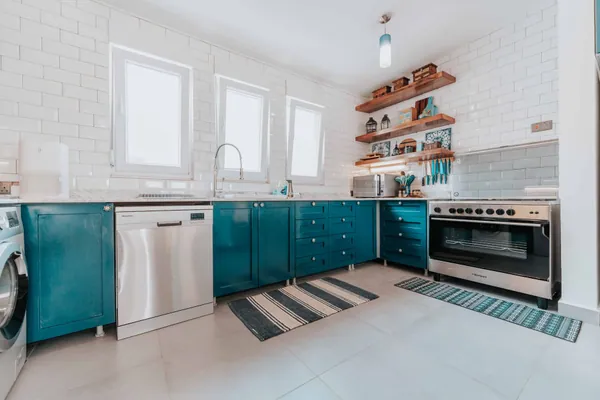
Done at the end, since grease and dust drop during the work, then the tile, grout and behind the kickboards are cleaned.
If your case is one of these, we say so when we look the kitchen over, not after you have paid. For repairs or pest treatment we point you to the right trade even when the job is not ours.
The order here is not a detail. Clean the floor before the cabinets and you do it twice; use a general cleaner on baked grease and you just spread it. This is the order that works.
Painted cabinets, laminate, natural stone and stainless steel do not take the same degreaser. We test on a hidden spot and watch the result before we start on the room.
We start high, the tops of cabinets and the hood, and work down to the floor. Grease and grime fall as we clean, so cleaning the floor first only means cleaning it again.
The degreaser is put on the heavy areas and given time to break the oil down before it is wiped. Wiping baked grease straight away just smears it; the dwell time is what lifts it.
The metal filter carries the worst of the grease and is soaked and worked on its own, not just wiped in place, because a clogged filter puts the oil straight back into the air.
The burners, the tiled splash and the grout lines take focused work, since the grout darkens first and a flat wipe passes over it.
We go over the kitchen with you before the team leaves. Whatever you point to is redone in the same visit.
We do not publish a fixed figure, because cases genuinely differ. These are the factors we ask about, so you know where your job sits before you call.
A compact kitchen is not a large one with a full run of cabinets. We ask about the size and layout, because the surface area is what the work follows.
A kitchen deep cleaned twice a year is not one left for years. Baked-on layers need more dwell time and more passes, and we say so before we begin.
Cleaning the oven interior or the inside of the fridge is added work beyond the surfaces. We price it in if you want it, up front, not as a surprise after.
More appliance exteriors and more filters mean more time. We count what is in the room so the price matches the actual work.
Deep cleaning the kitchen along with the rest of the home in one visit costs less than two trips, because the travel and setup are counted once.
Send a photo of the kitchen and a note on the buildup on WhatsApp, and you get the price and rough duration before you commit to anything.
It is a fair question, and you can buy a degreaser at any store. Here is the honest difference, not the sales one.
Testing the solution on a hidden spot is a step we treat as necessary, not optional. A dulled cabinet finish is not made whole again by a discount.
We send a team, not a single worker. A heavily built-up kitchen is finished in one visit instead of being split across two days.
The degreasers and tools come with the team. No waiting because the equipment is at another customer's home.
If what the kitchen needs is a repair or pest treatment rather than a clean, we say so. A visit that fixes the wrong thing costs us more in trust than it earns.
Photographs from real jobs carried out by the crew.

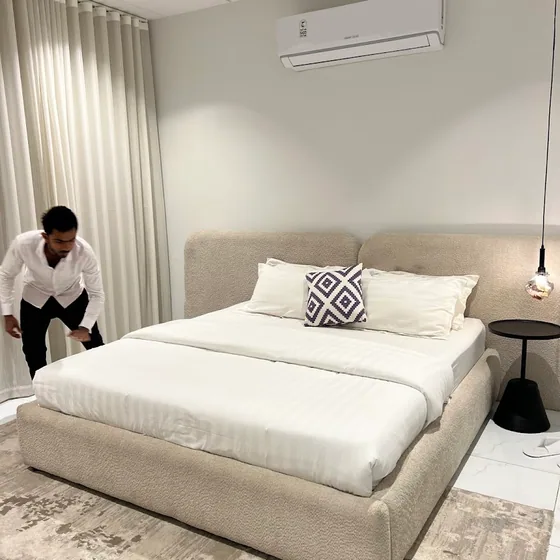
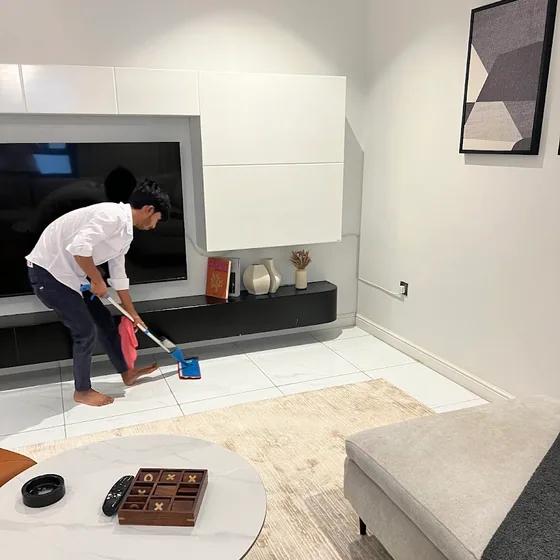
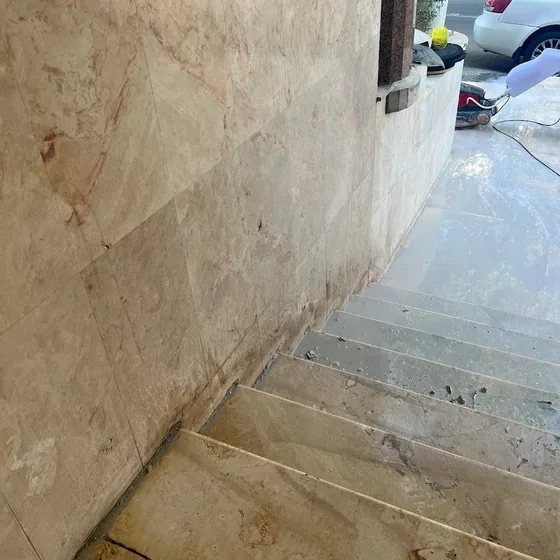
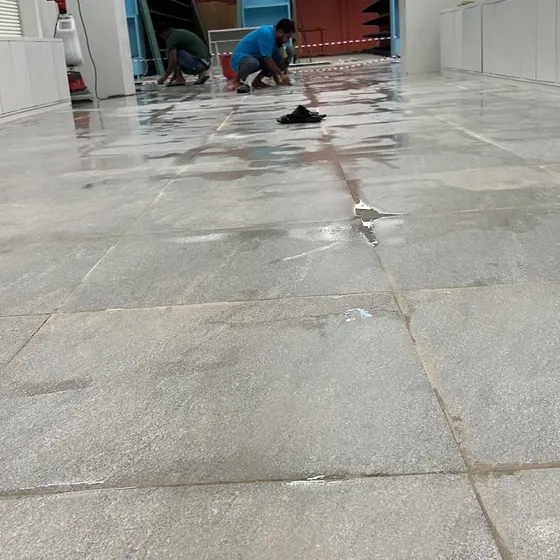
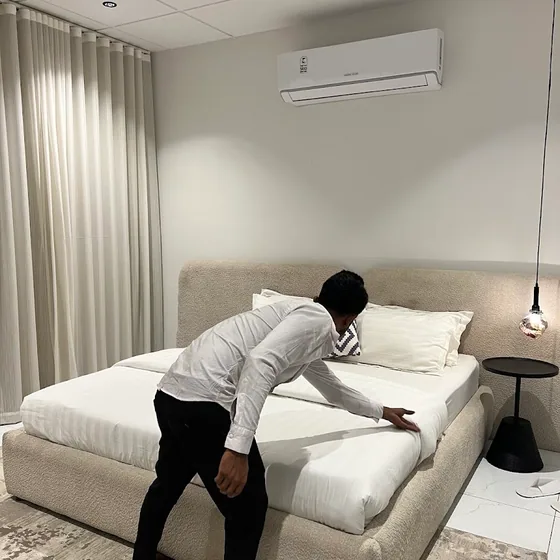
The commitment is simple enough to actually keep: we do not leave before you have seen the result and told us what you think of it.
We look at the job and agree the figure before any work begins, and nothing is added to it afterwards. If the scope changes during the visit we stop and ask you before carrying on.
At the end of the visit we walk the place with you. Anything you point at is redone in the same visit, not booked for another one, and at no extra cost.
We arrive when we said we would. If that becomes impossible you hear it before the appointment rather than after, because waiting without knowing how long is worse than a delay you were told about.
Everything we offer in this category, in a single visit if you need more than one.
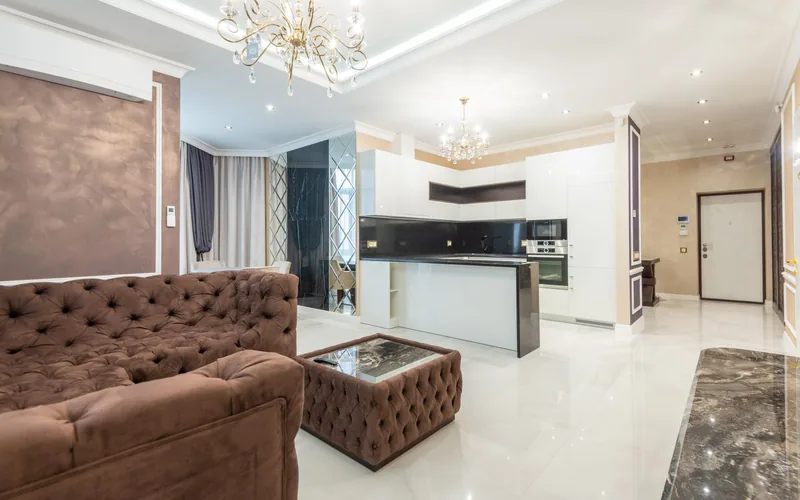
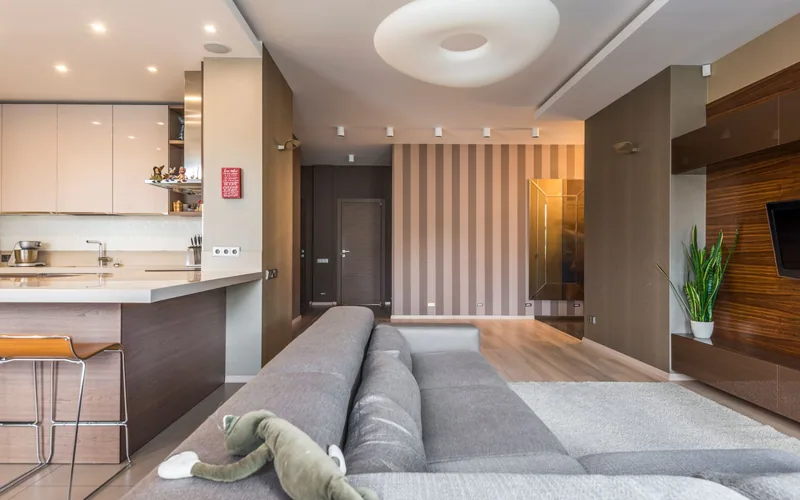








The crew and its equipment travel to you, and the price does not change with the district.
Four steps, and none of them commits you to paying before you have seen the price.
WhatsApp or a call. One photo is usually enough.
In writing, before you commit to anything. You approve it, or we adjust it.
At the agreed time, with everything the job needs.
A walk-through before we leave. The job is not closed until you are satisfied.
Send the kitchen size and a note on the buildup, and you get the price and an available slot. Work does not start before you approve the number.