
The pest and how established it is
A few ants at a window is not a settled cockroach or rodent population. The pest and its stage decide the materials and whether one visit is enough.
What you see is a fraction of what's there. Cockroaches and ants live in voids, under units and behind skirting, and come onto the open floor only to feed. Spraying what you can see kills the few that are exposed and leaves the nest working. The treatment that lasts goes where they live and travel.
What you see is the last sign, not the first. If one of these fits, the population is already established.
Small dark specks in cupboards, drawers or along the wall base are a clear sign of an active population, and roughly where it is living.
If you switch on the kitchen light at night and things scatter, the population is established. Daytime hiding is how they stay unseen while they grow.
Chewed food packaging, shredded paper or gnaw marks on wood point to rodents, and to a run they are using regularly.
A faint, greasy smell in a cabinet or near a drain often means a nest nearby that you can't see yet. The nose catches it before the eye does.
Ants moving in a line are following a scent trail to a source. Wiping the line clears today's ants; the trail and the nest bring tomorrow's.
Seeing pests in daylight usually means the hidden spaces are full and they're being pushed into the open. That's a later stage, not an early one.
The second list is the one that prevents disputes, it is usually in small print, or not written at all.
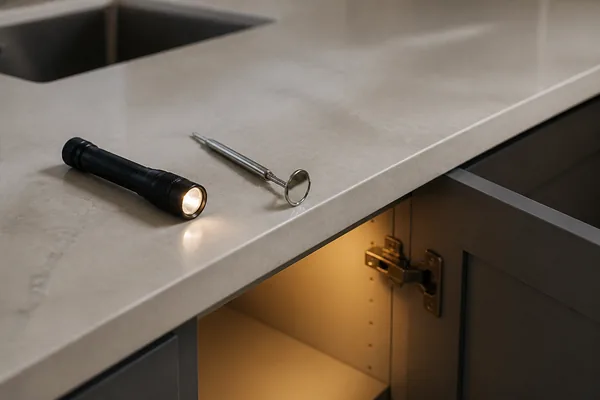
We confirm which pest it is first, because the species decides both the material used and the method.
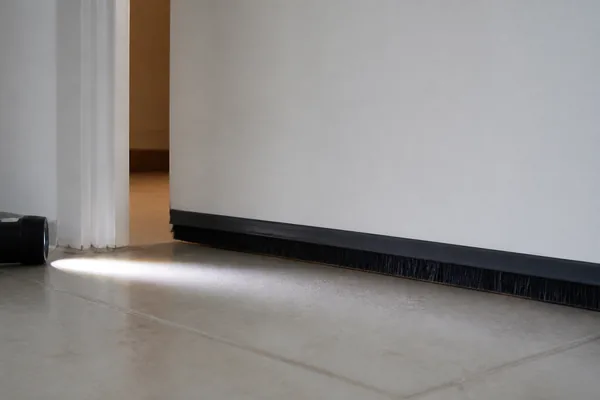
We trace how they get in, gaps at thresholds and pipe runs, and where they shelter once inside.
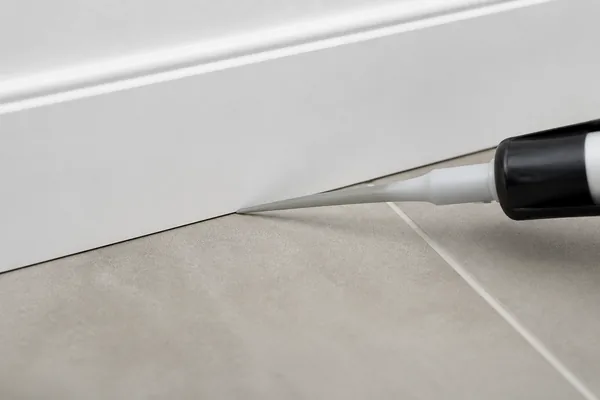
Gel and powder go into the gaps where they hide and breed, reaching what an open spray never touches.
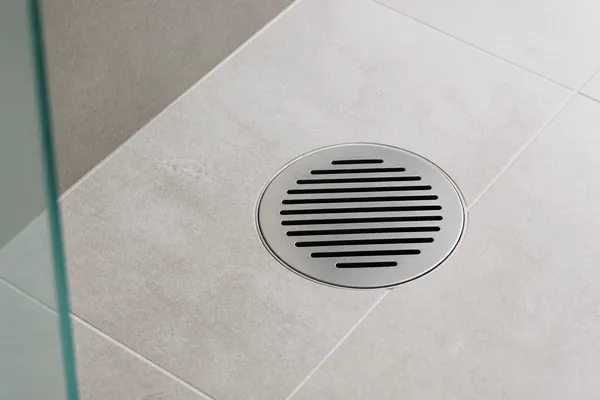
Much of the problem starts with moisture, so drains are treated on their own as entry and breeding points.
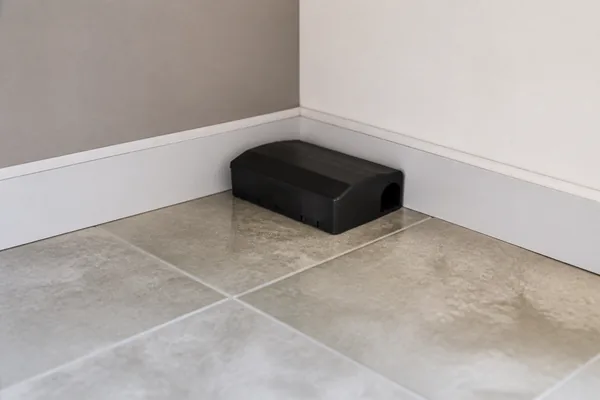
Bait set on the paths they travel is carried back to the nest, reaching the ones we never see.
Eggs survive the first visit, so a second pass breaks the cycle before the next generation matures.
If your case is one of these, we say so at inspection, not after payment. In most of them we point you to the right party even when the work isn't ours.
The order isn't a detail. Treat the floor and skip the source, and they're back within the week.
Droppings, damage and where they appear tell us the pest and roughly where it's nesting. The whole treatment depends on getting this right first.
Gaps around pipes, thresholds and vents are the supply line. Treating without finding these means the pest keeps being replaced from outside.
Product goes into voids, cracks and the runways they use, not the open floor. That's where it stays in contact with them and keeps working.
In the spaces spray can't reach, bait does the work, carried back to reach the nest and the ones that never surface.
Closing the easy entry points turns a constant re-supply into a closed problem, so the treatment isn't fighting a fresh wave every week.
Before leaving we walk the home with you and show you what was treated. Where the pest needs a second visit to catch hatchlings, it's arranged then.
We do not publish a fixed figure, because cases genuinely differ. These are the factors we ask about, so you know where your job sits before you call.
A few ants at a window is not a settled cockroach or rodent population. The pest and its stage decide the materials and whether one visit is enough.
A single room isn't a whole villa. We ask what's affected, because treating everything when the problem is in the kitchen only pads the price.
Some pests clear in a single visit; others need a follow-up to catch the next generation. We say which at inspection, not after.
Baits, gels and residual products differ in cost and in what they're for. The pest decides what's used, and that's priced in up front.
A nest behind a built-in unit or at height is more work to reach than one under a sink. Harder access changes the job, and we flag it before starting.
Tell us the pest and where you're seeing it, with a photo if you can, on WhatsApp, and an estimated price and time reach you before you commit.
It's a fair question, and shop sprays are cheap. Here's the real difference, not the label.
Spraying what walks across the floor is the common mistake we're called in to fix. We trace it back to where they live, because that's the only treatment that holds.
The company runs a large crew, and we send a team rather than one person. Kitchen, bathrooms and entry points are covered in one visit instead of over several.
Ants, cockroaches and rodents each need different products and placements. We carry what the job needs so nothing is improvised on the spot.
If what you have is a one-off that doesn't need treating, or a structural issue for a builder, we tell you. A visit you didn't need costs us your trust.
Photographs from real jobs carried out by the crew.

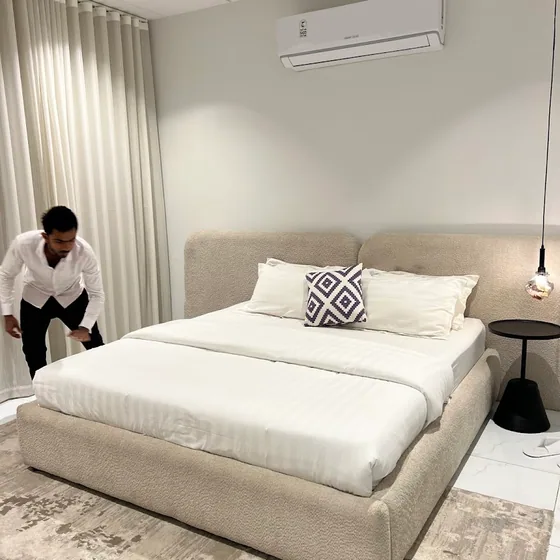
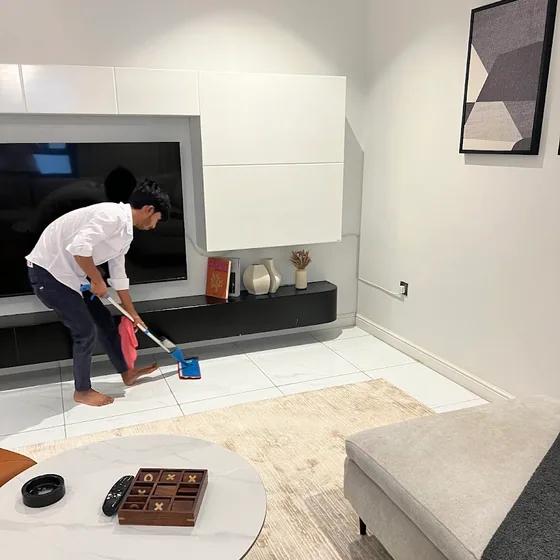
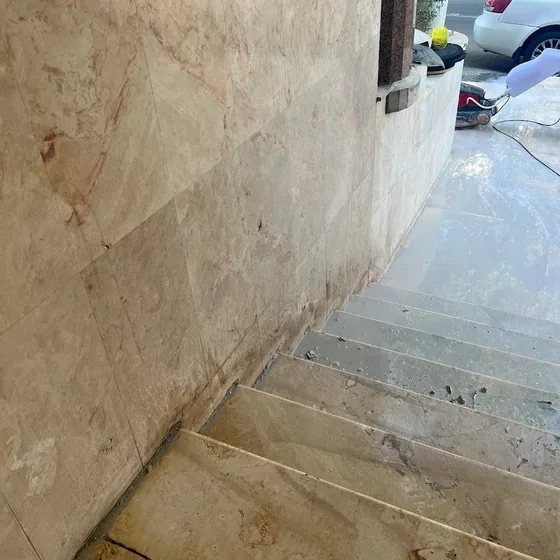
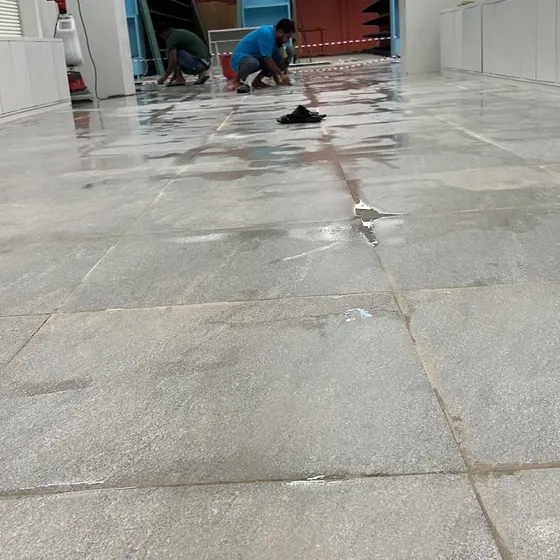
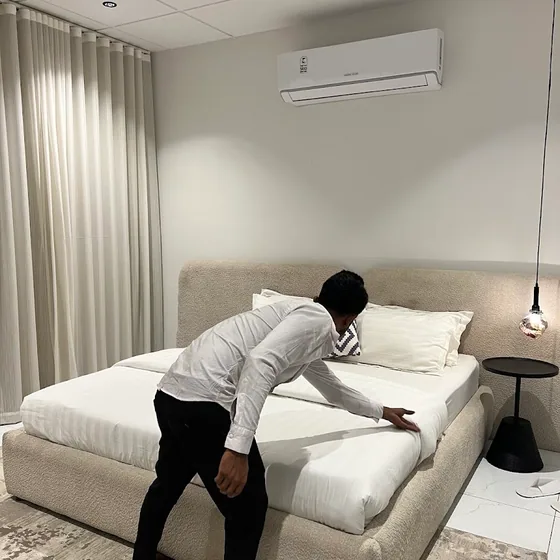
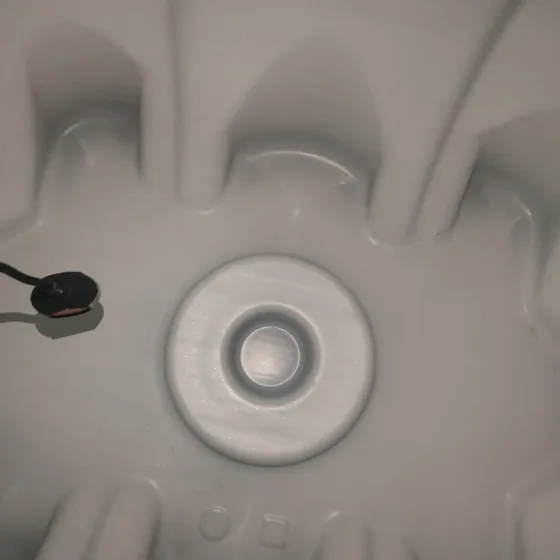
The commitment is simple enough to actually keep: we show you what was treated, and we stand behind it within the agreed cover.
We look at the job and agree the figure before any work begins, and nothing is added to it afterwards. If the scope changes during the visit we stop and ask you before carrying on.
At the end of the visit we walk the place with you. Anything you point at is redone in the same visit, not booked for another one, and at no extra cost.
We arrive when we said we would. If that becomes impossible you hear it before the appointment rather than after, because waiting without knowing how long is worse than a delay you were told about.
Everything we offer in this category, in a single visit if you need more than one.
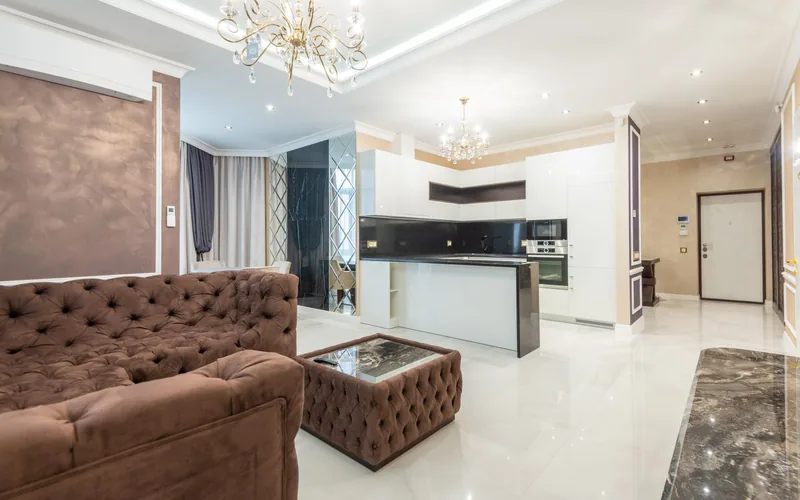
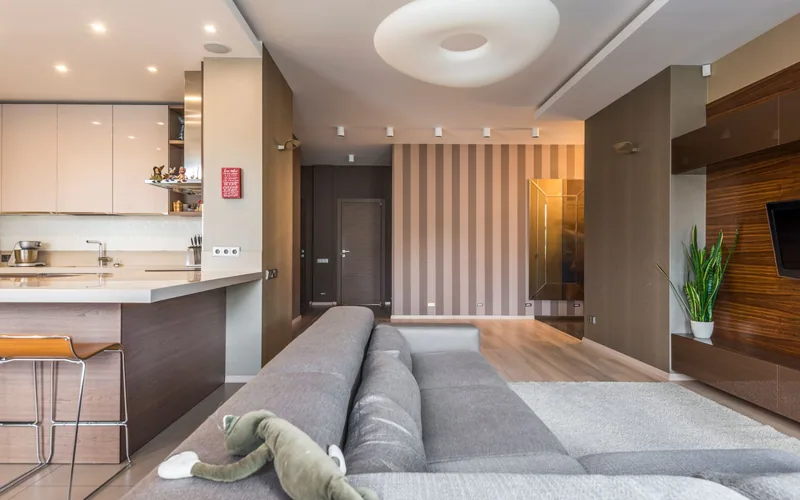

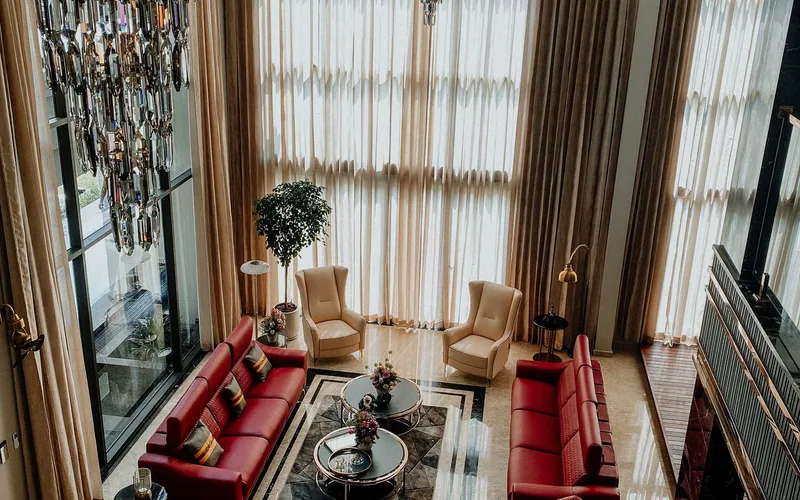



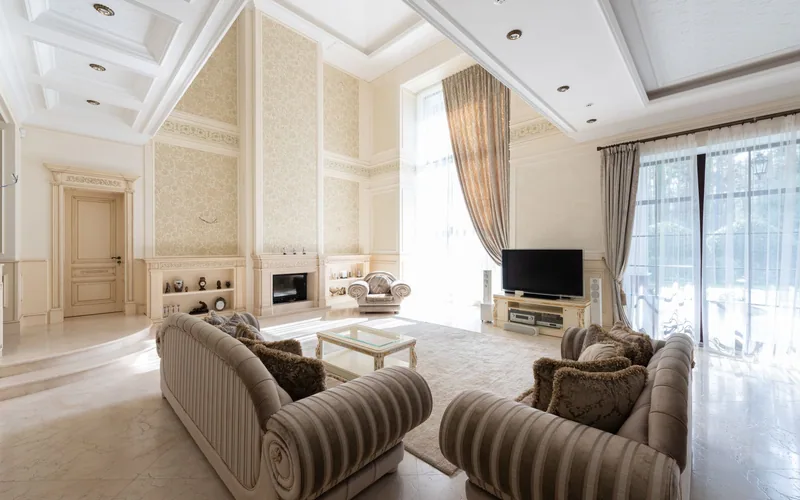
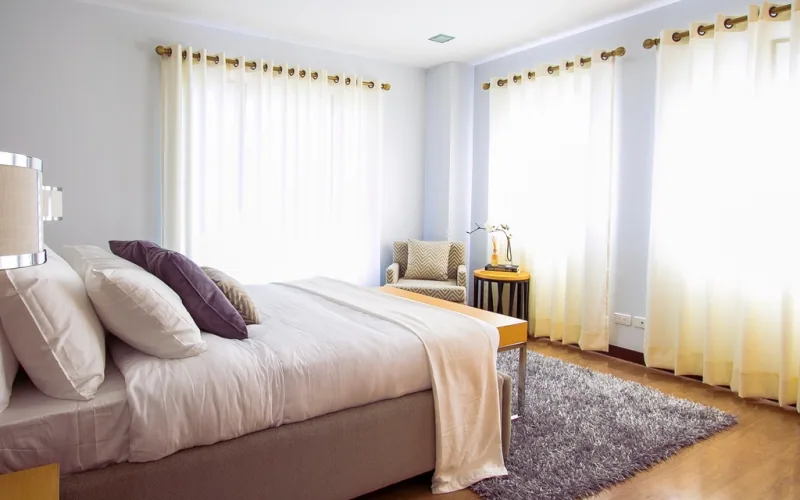
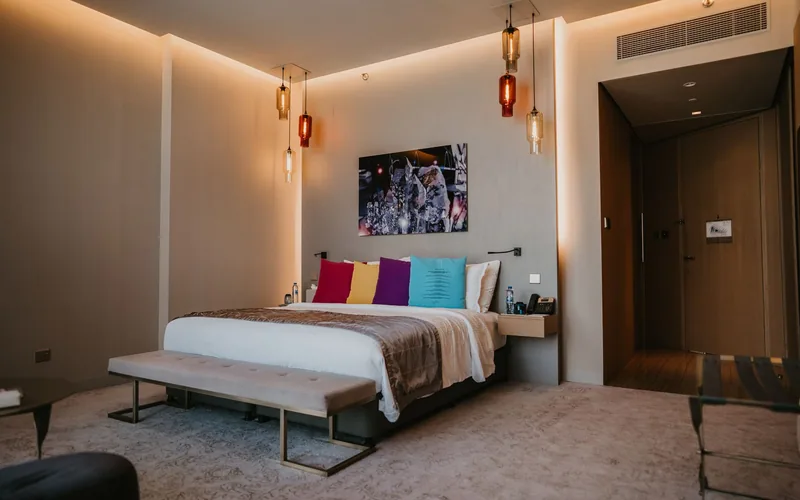
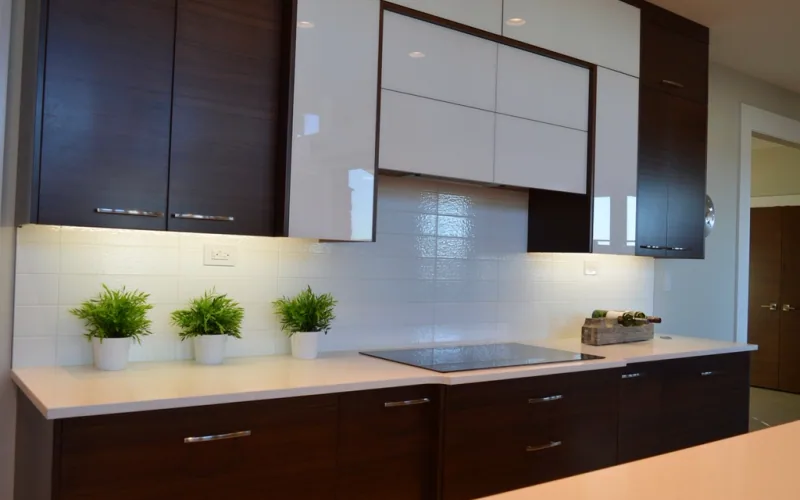
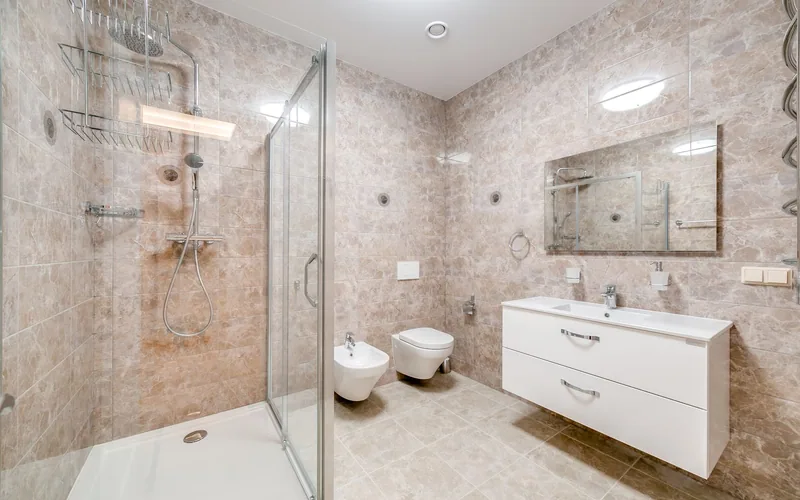







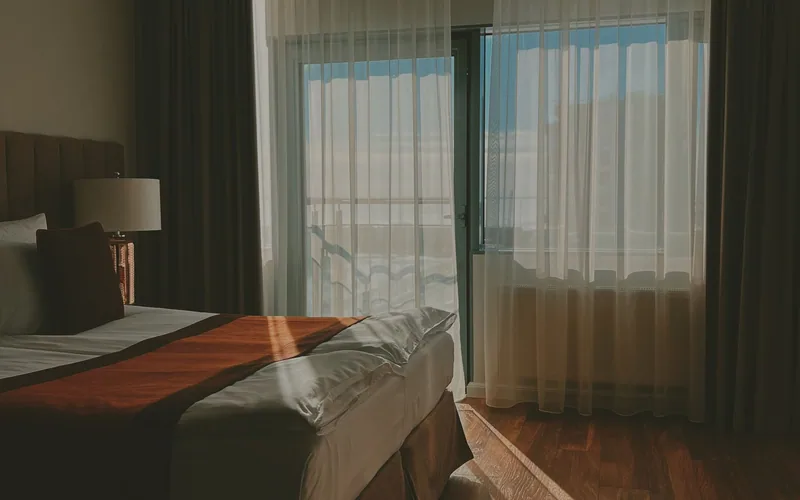
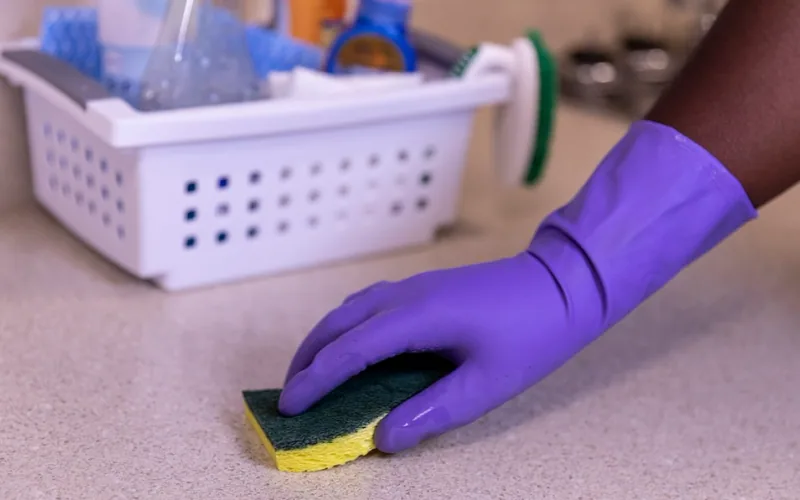
The crew and its equipment travel to you, and the price does not change with the district.
Four steps, and none of them commits you to paying before you have seen the price.
WhatsApp or a call. One photo is usually enough.
In writing, before you commit to anything. You approve it, or we adjust it.
At the agreed time, with everything the job needs.
A walk-through before we leave. The job is not closed until you are satisfied.
Tell us the pest and where you're seeing it on WhatsApp, and you'll get an estimate and an available slot. No treatment starts before you agree to the figure.