
The number and size of panels
A tall living-room drop is not a short kitchen panel. We ask how many and what size, because pricing by the room punishes a home with two panels and flatters one with ten.
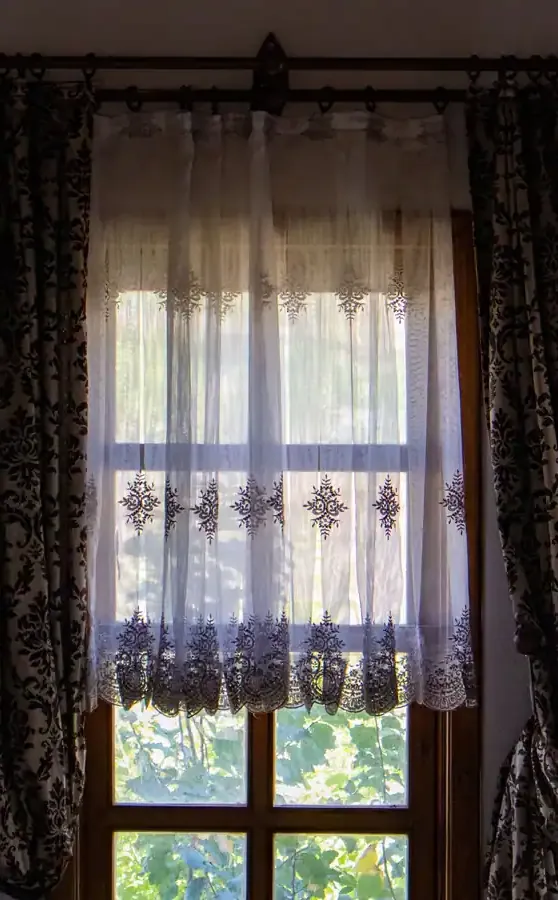
Curtains are the first thing in a room to hold what floats in the air: dust, cooking oils, and the fine grit that blows in off a Jeddah street. They collect it slowly and evenly, so the change shows as a dull, tired look and a smell before it ever shows as a stain. A shake or a vacuum only lifts the surface. A deep clean, by the method that suits the fabric, reaches into the weave.
The smell is the last sign, not the first. If one of these fits, it is time.
Hold a panel to the window in the morning. If the fabric looks grey and lifeless next to the light instead of clean, it is holding a film of dust that has built up evenly across the whole panel.
Curtains trap dust and the mites that live in it. Whoever in the house reacts to those notices it near the window before they notice it anywhere else in the room.
Close the room for a day, come back, and if there is a stale smell hanging in the fabric, the weave has absorbed it. Airing the room hides it for an hour; it comes back.
The bottom edge sits near the floor and the window sill, so it picks up splashes, water spots and grime first. When the hem looks darker than the rest of the panel, the whole curtain is due.
Cooking oil travels further than people expect. Curtains in or near an open kitchen collect a sticky layer you can feel between your fingers, and that layer glues dust to the fabric.
If you cannot remember, it has been longer than you think. Curtains in a room used every day earn a clean well before that.
The second list is the one that prevents disputes, it is usually in small print, or not written at all.
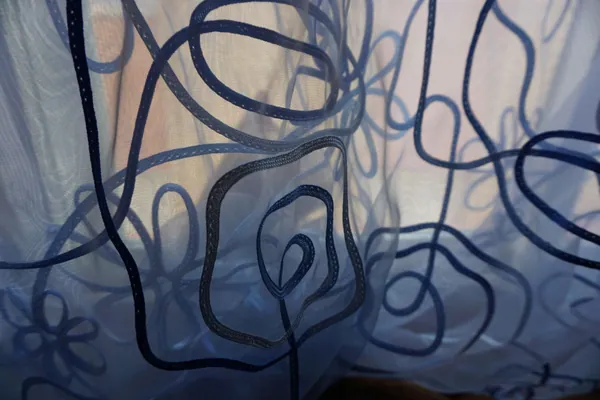
We identify chiffon, linen, blackout or lined, then decide which panels come down and which are treated where they hang.
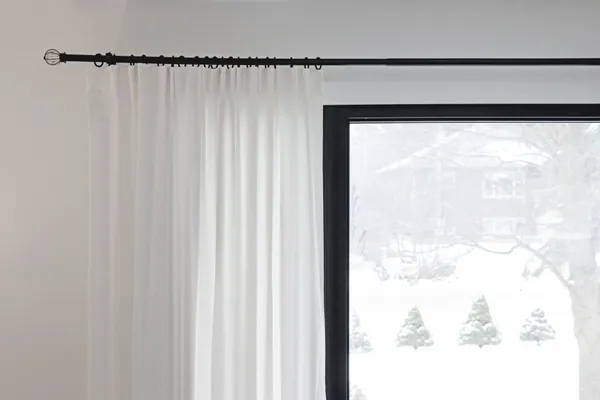
Curtains, rings and hooks come off with care, and we photograph how they hang so everything goes back as it was.
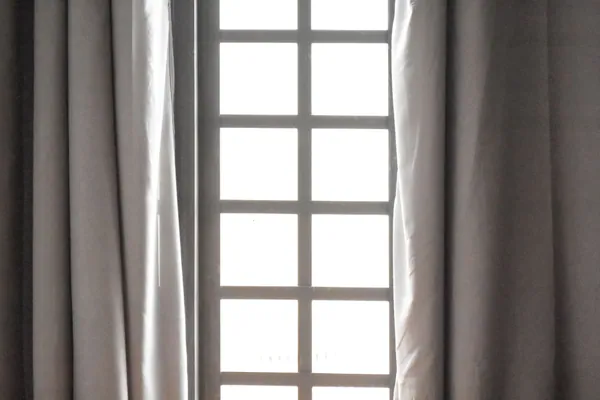
Water on a dusty panel turns dust into mud and drives it deeper, so the dust comes out dry first.
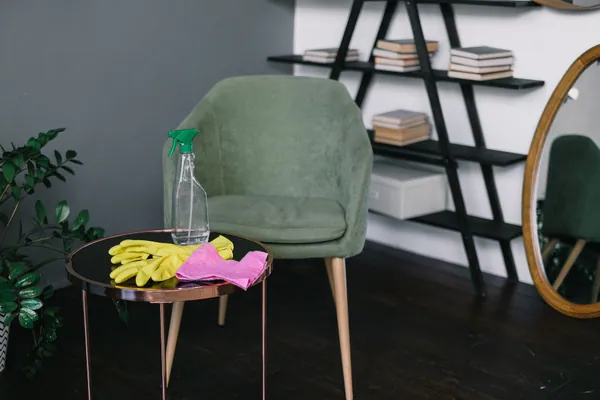
Damp marks, oil and darkened edges each get their own product before the general wash, which would otherwise set them.
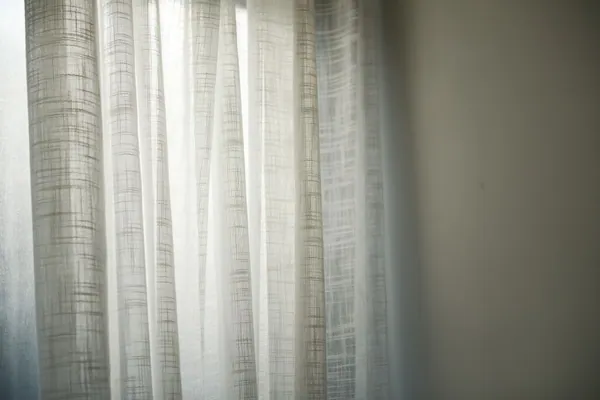
Light sheers are washed, while heavy and lined panels are cleaned in place, by the method their fabric takes, so they do not shrink or lose shape.
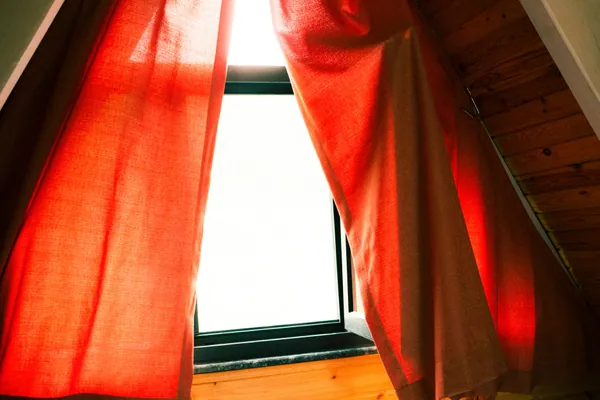
Each panel returns to its own place and its creases are eased out on the rail so it hangs straight.
If your case is one of these, we say so at the survey, not after you have paid. In most of them we will point you to the right trade even when the job is not ours.
The order here is not a detail. Reverse it and you set the dirt instead of lifting it, and that is the most common thing we are called to fix after someone else.
Cotton, linen, velvet, blackout weave and synthetic sheers do not take the same heat or the same solution. We test on a hidden fold and watch the result before we start on the panel.
Before any water. Wetting a dusty curtain turns the dust to a paste that soaks into the fibres, and that is exactly what leaves a curtain looking worse than it started.
A water spot at the hem is not treated like a greasy film near a kitchen. Each mark is worked on its own before the general clean, because a general pass fixes whatever is not treated in place.
We loosen what has bonded inside the fibres across the full panel, both faces and top to hem, with the method that suits the fabric, while the curtains stay on the rail so the drape is not disturbed.
The loosened dirt and water are pulled back out in the same pass. Curtains are left slightly damp, never soaked, because trapped moisture in a heavy panel is what breeds the smell that shows up days later.
We go over the panels with you before the team leaves. Whatever you point to is redone in the same visit.
We do not publish a fixed figure, because cases genuinely differ. These are the factors we ask about, so you know where your job sits before you call.
A tall living-room drop is not a short kitchen panel. We ask how many and what size, because pricing by the room punishes a home with two panels and flatters one with ten.
Velvet, blackout weave and delicate sheers take more time and more careful solution than plain cotton. The difference is real in the work, not only on the invoice.
A curtain cleaned twice a year is not one left for years. The second may need a second pass, and we say so before we begin.
Old water spots and a greasy kitchen film need treating on their own before the general clean. That is priced with the rest, not sprung on you after.
Cleaning the sofa or a rug together with the curtains in one visit costs less than two trips, because the travel and setup are counted once.
Send a photo of the curtains and the number of panels on WhatsApp, and you get the price and rough duration before you commit to anything.
It is a fair question, and home cleaning machines are easy to buy now. Here is the honest difference, not the sales one.
Testing the solution on a hidden fold is a step we treat as necessary, not optional. A panel that is damaged is not made whole again by a discount.
We send a team, not a single worker. A room full of tall panels is finished in one visit instead of being split across two days.
The cleaning and extraction machines come with the team. No waiting because the equipment is at another customer's home.
If a panel needs a tailor rather than a clean, we say so. A visit that was not needed costs us more in trust than it earns.
Photographs from real jobs carried out by the crew.
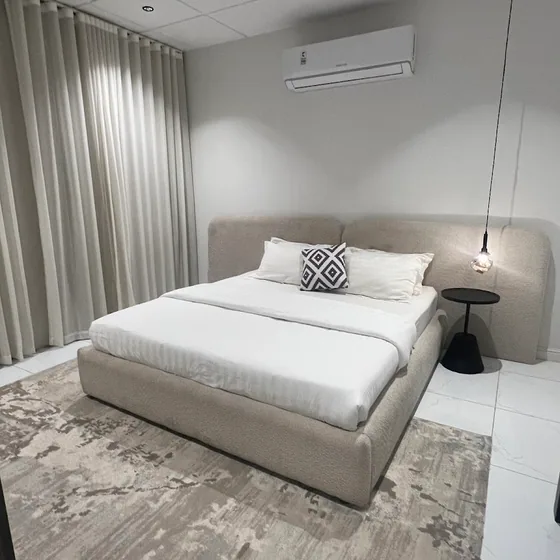
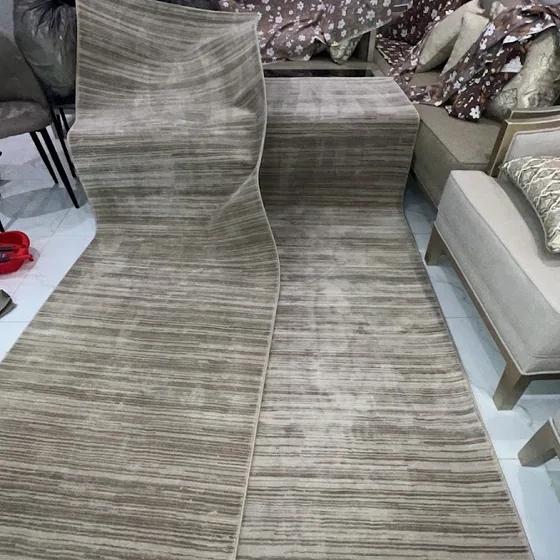
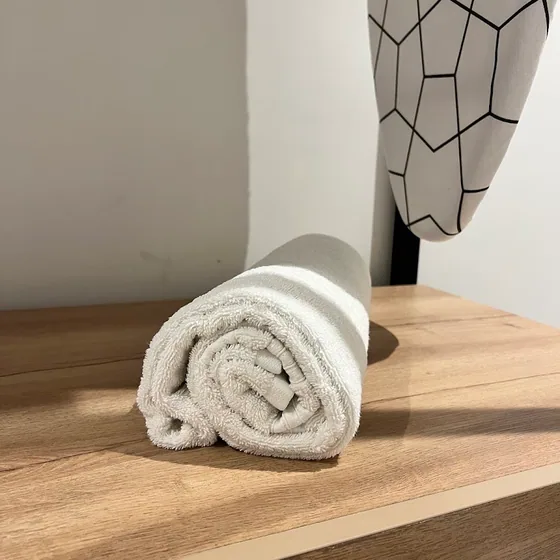
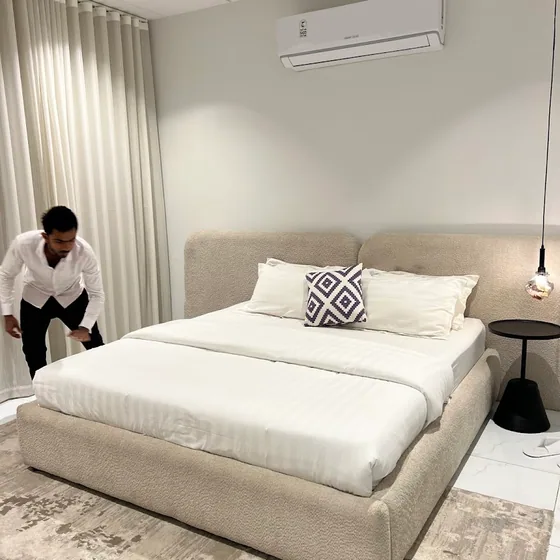
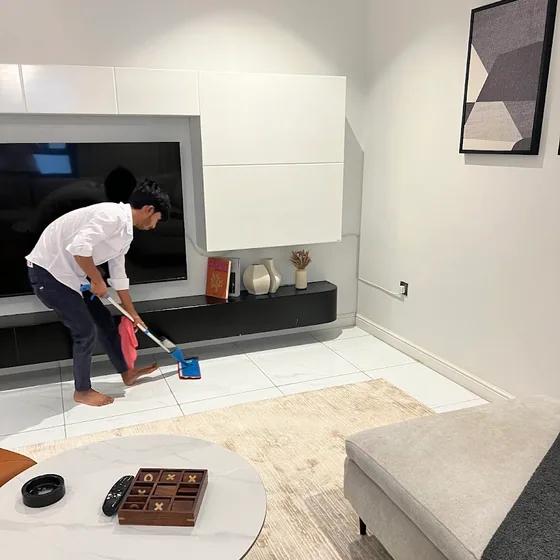
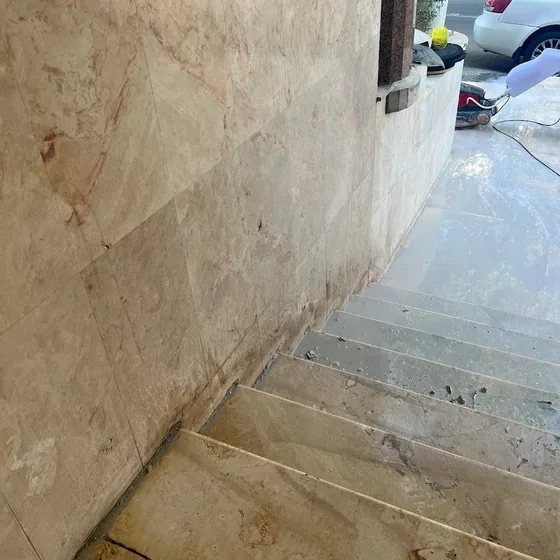
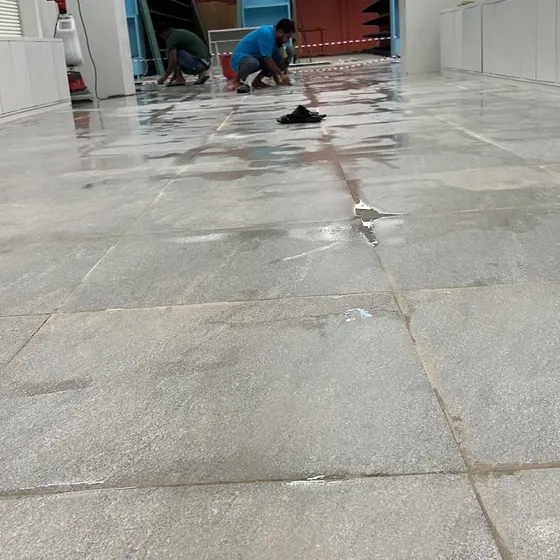
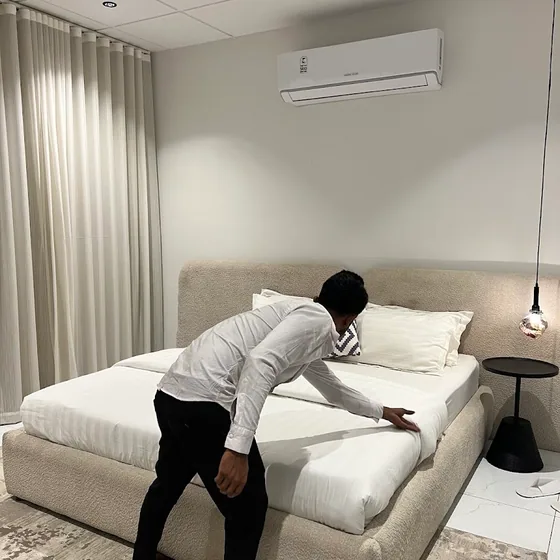
The commitment is simple enough to actually keep: we do not leave before you have seen the result and told us what you think of it.
We look at the job and agree the figure before any work begins, and nothing is added to it afterwards. If the scope changes during the visit we stop and ask you before carrying on.
At the end of the visit we walk the place with you. Anything you point at is redone in the same visit, not booked for another one, and at no extra cost.
We arrive when we said we would. If that becomes impossible you hear it before the appointment rather than after, because waiting without knowing how long is worse than a delay you were told about.
Everything we offer in this category, in a single visit if you need more than one.
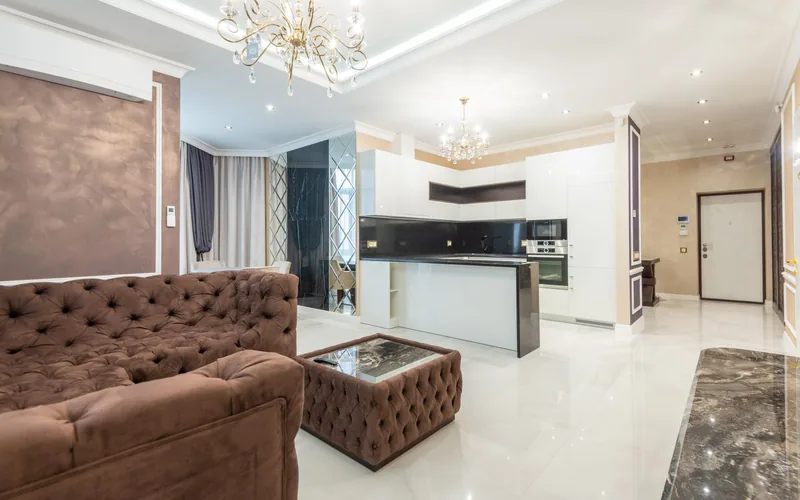
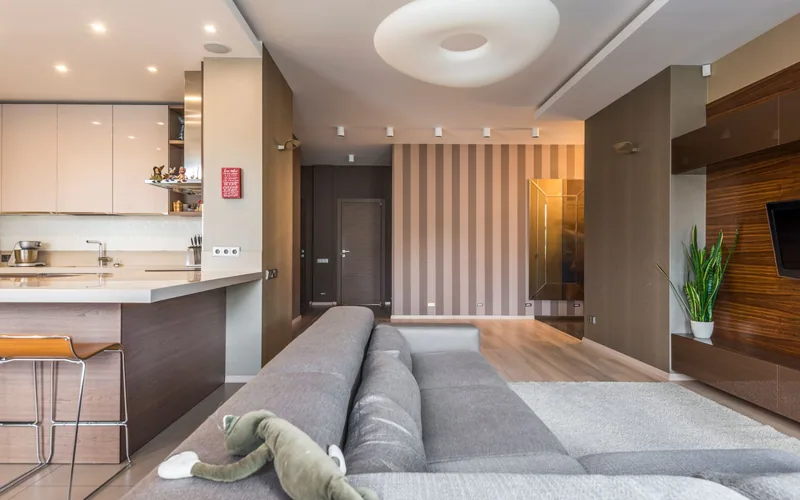

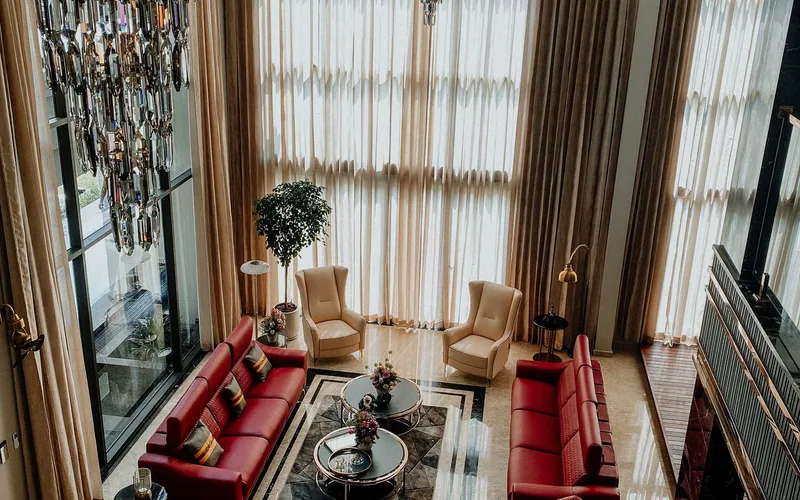


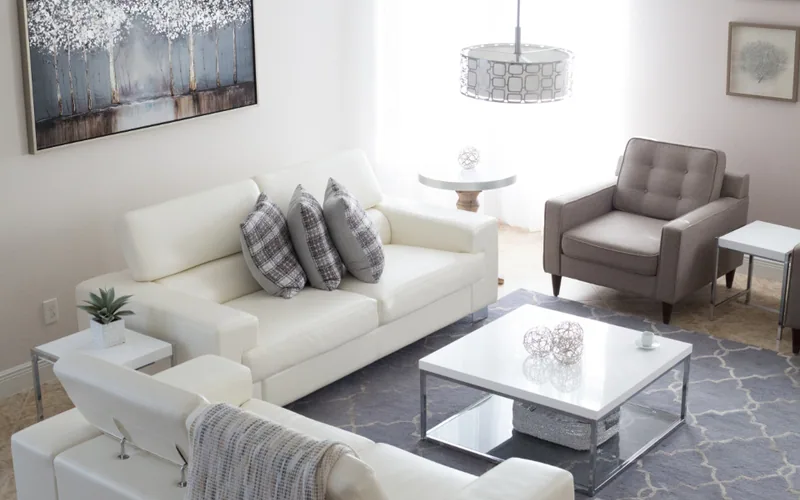
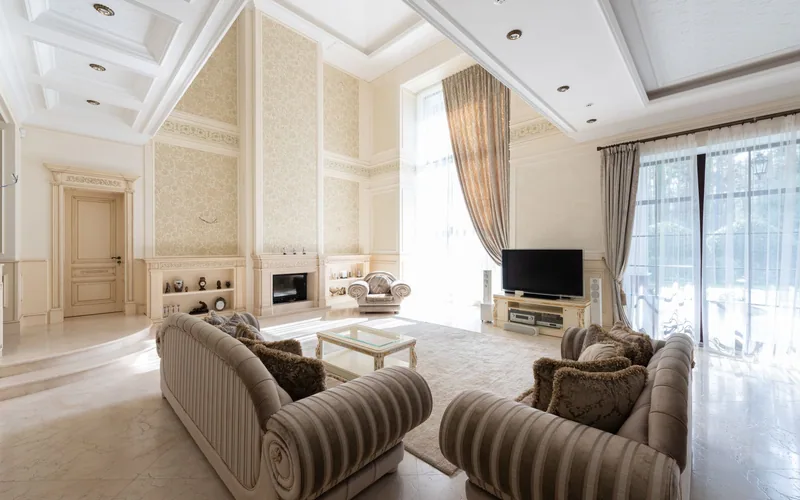
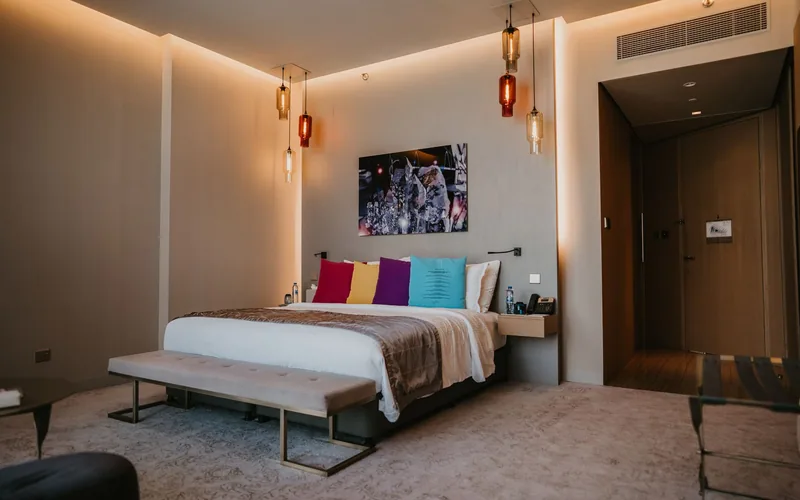



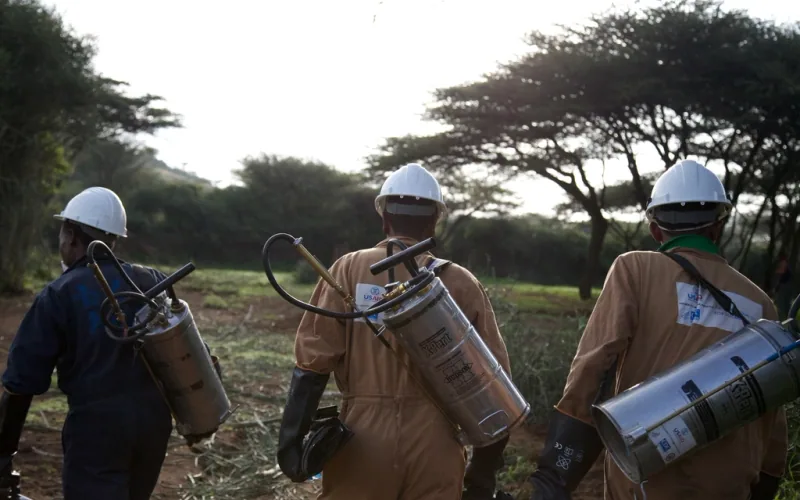


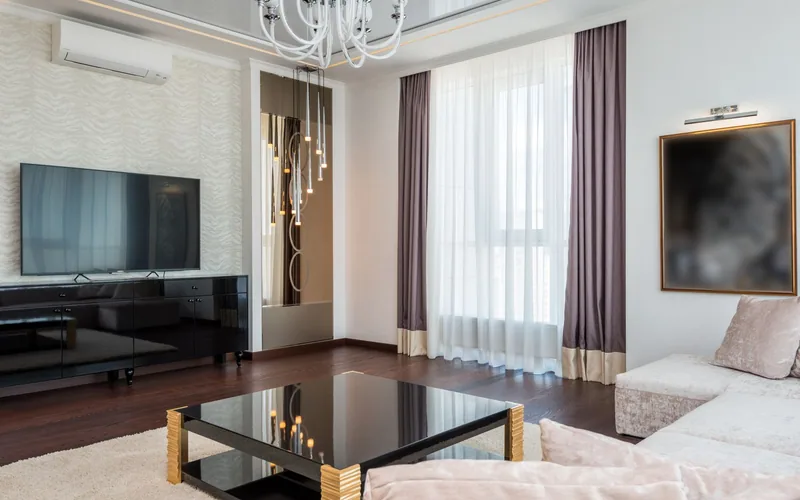


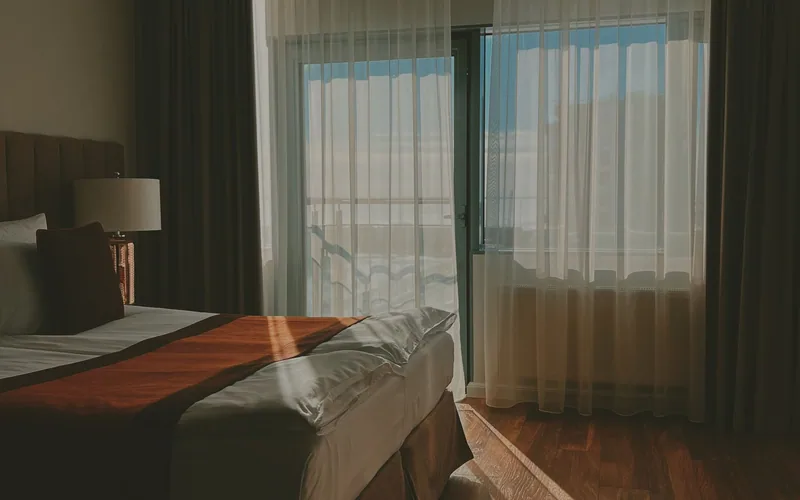
The crew and its equipment travel to you, and the price does not change with the district.
Four steps, and none of them commits you to paying before you have seen the price.
WhatsApp or a call. One photo is usually enough.
In writing, before you commit to anything. You approve it, or we adjust it.
At the agreed time, with everything the job needs.
A walk-through before we leave. The job is not closed until you are satisfied.
Send the number of panels and the fabric type, and you get the price and an available slot. Work does not start before you approve the number.