
We know builder's dust
This is not a heavier version of a normal clean.
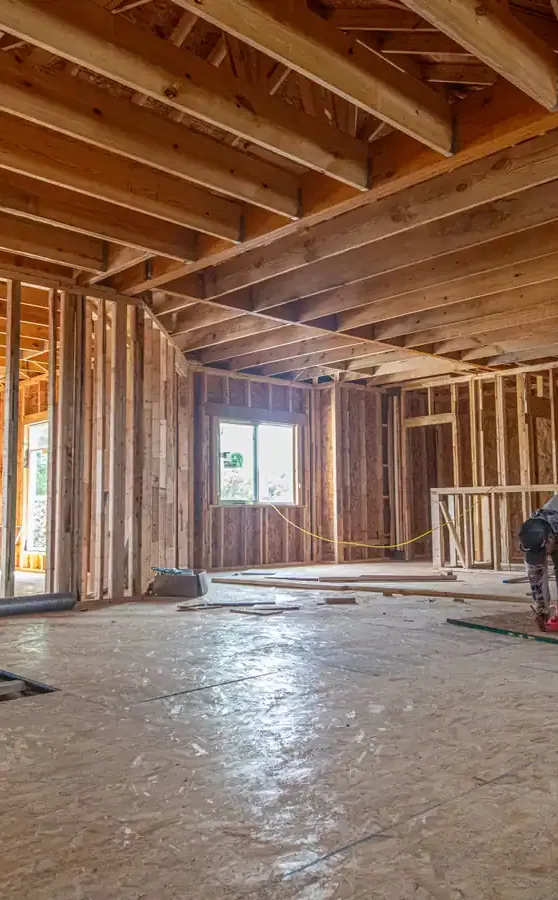
Wadi Mareekh, now called Al Taysir, is a new development spreading along Palestine Street and King Abdullah Feeder Road, with multiple residential and commercial schemes building simultaneously. New villas and flats are surrounded by vacant plots and active construction. Building dust here is mixed dust from several neighbouring sites working at the same time. Your new flat receives dust from its own site and from three or four construction zones nearby, each adding its own particle load.
Multiple building sites side by side mean dust arrives from several directions, and a new flat often needs a second clean within a week of the first to remove dust from neighbouring construction that continues after the first finish date. For the method itself, see our post-construction cleaning service in detail.
Modern development in Al Taysir means dozens of projects running at once next to each other. Dust from each travels to its neighbours. Your new flat sits among them and collects dust from every direction. Removing this mixed dust load needs careful timing and strong equipment working in coordinated sequence.
Vacant land between the new buildings has not been treated or paved, so it sends light dust more freely than finished built areas. Wind carries this dust to new homes easily. Windows on the new villa open onto land that has not yet been landscaped or cleaned.
Dust from different building sites carries different materials: cement, sand, metal from machinery, paint spatter from one villa drifting to the next. This complex mix needs a layered cleaning approach that handles each particle type separately, not a single method for everything.
A new development area in eastern Jeddah along Palestine Street and King Abdullah Feeder Road, undergoing simultaneous construction of multiple residential and commercial schemes, with wide vacant plots between new villas and apartment blocks.
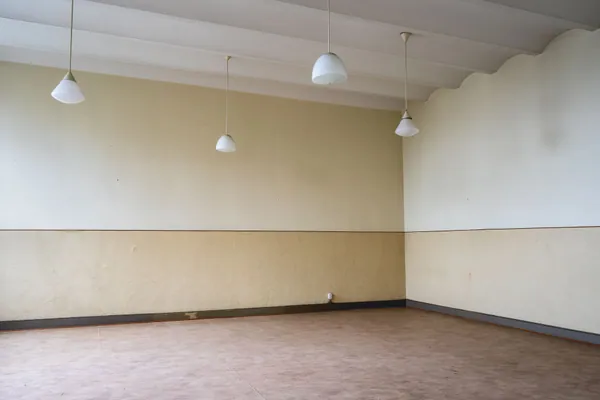
Dust removed from the top down begins with surfaces and upper windows that collect dust from neighbouring sites fast, using strong suction before any wiping.
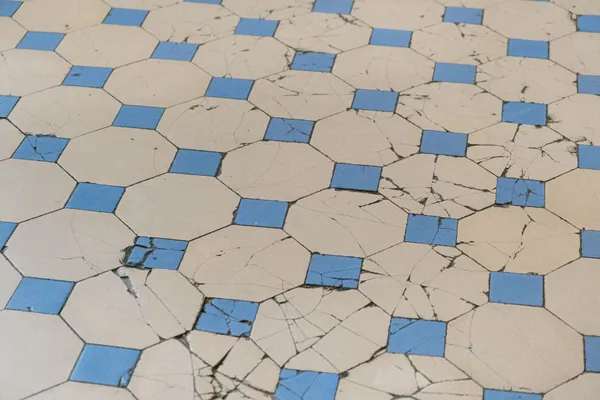
Cement and plaster spots here mix with dust from multiple sites and need strong suction followed by careful scrubbing to clear completely.

Glass and ceramic need deep cleaning to remove the complex mix of dust types from several different neighbouring sources.
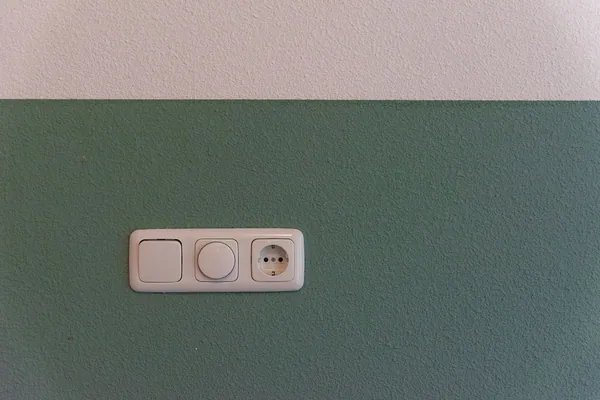
Paint spatter mixes with dust drifting from neighbouring construction, requiring multi-stage cleaning to separate residue types and remove each one correctly.
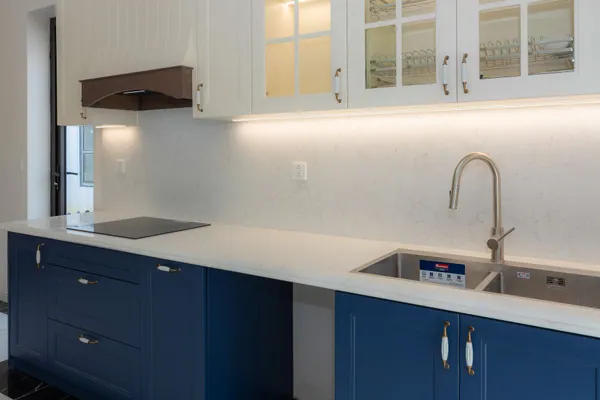
Stickers and adhesive tape carry mixed dust from several sources, requiring careful removal to avoid dragging residue across already clean surfaces.
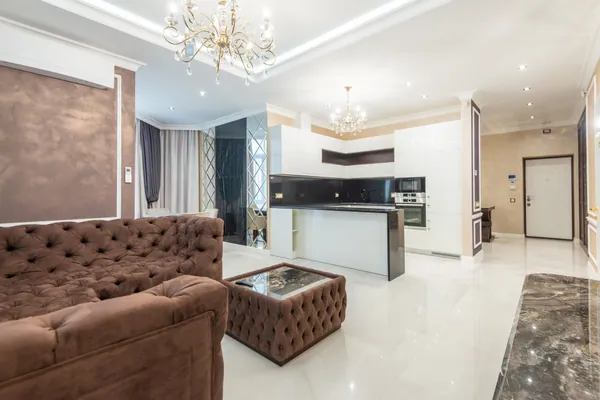
Floors come last with complete removal of the complex dust mix from all sources, followed by thorough drying to prevent the rapid dust return that happens in active development zones.
We start at the ceiling, vents and the tops of everything, then work down.
The fine powder is vacuumed and dry-collected first.
Windows, mirrors and the sliding tracks are cleared of grit and sticker residue before the wet stage, so nothing muddy is dragged across them later.
Grout haze, paint spots and adhesive are worked off tile, stone and fixtures with the method each surface can take, tested before we commit to it.
Every closed space is opened and cleared, because that is where settled dust hides until you reach for a plate months later.
Floors are washed only after all the dust above has come down, then we walk the home with you and anything you point to is redone before we leave.
New development: ongoing construction and vacant plots between the homes
New development means simultaneous construction from several sites very close together, each sending dust to the others and your flat sits in the middle collecting from all directions. Vacant unfinished plots send uncontrolled dust.
This is not a heavier version of a normal clean.
The company runs a large crew and we send a team, not a single cleaner.
The vacuums and materials come with the team, not rented on the day.
If a paint spot or cured cement mark cannot come off without risking the surface, we tell you at the inspection rather than damaging it to look busy.
Photographs from real jobs carried out by the crew.












The commitment is simple enough to actually keep: we do not leave before you have walked the home and told us what you think.
South Jeddah runs from the port and the industrial city down towards Al Khumrah, and homes here sit between the sea and the heavy goods roads. The dust is darker and oilier than in the north, a mix of diesel soot and workshop grit, and it clings to net curtains, window sills and the tops of kitchen cupboards. Floors in the older low rise housing are often plain cement or ceramic tile that darkens where soot is walked in. Humidity from the coast adds mildew in bathrooms and a musty smell in stored fabrics.
We provide these in Wadi Mareekh too, and more than one can share a single visit.



