
The area and its layout
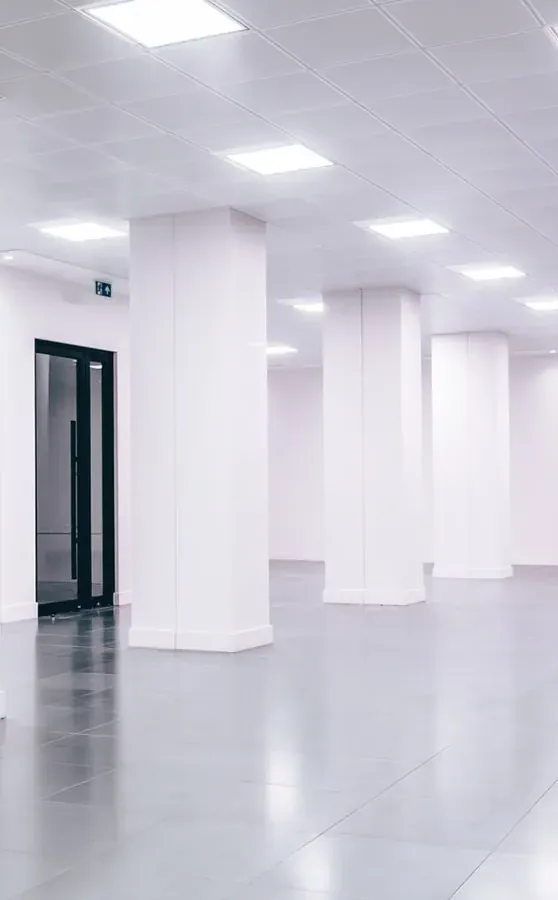
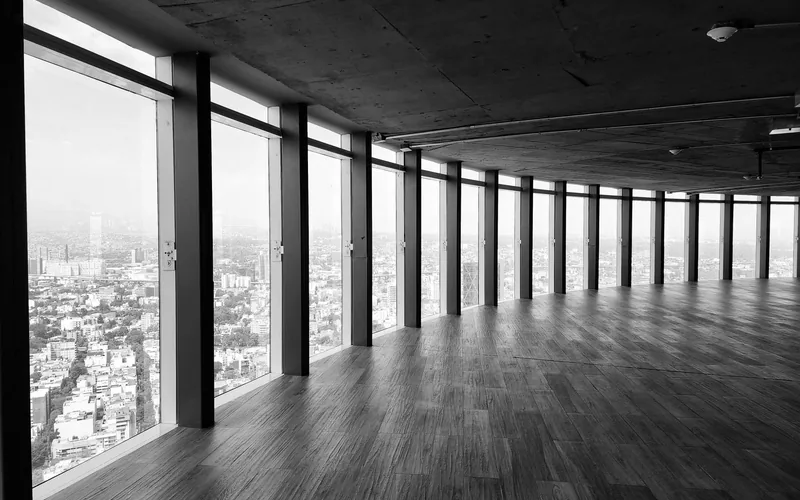
An open hall is worked faster than the same area cut up by columns, thresholds, and tight corners. Edges are slower than the field, and the layout decides how much edge there is.
Marble does not lose its shine to dirt. It loses it to thousands of footsteps carrying fine grit that sands the surface flat, and to spills that etch it wherever an acid touched the stone. Mopping cleans the dirt and leaves the dullness, because the dullness is in the stone itself now, not on top of it. Bringing the shine back means working the surface, not washing it.
Once the shine is gone, no mop or polish spray brings it back. If one of these fits your floor, it needs the machine, not the mop.
The paths people take are flatter and duller than the edges. That is grit sanding the polish off the stone underfoot, it is wear, not dirt, and it only spreads.
A cloudy ring or patch where a drink, juice, or cleaner sat is an acid etch. The acid bit into the stone; wiping does nothing because the mark is the stone, not on it.
Scratches that only show at an angle come from grit dragged across the surface. They dull the reflection long before they are obvious head-on.
Polished marble mirrors the light above it. When it goes flat and matte across the room, the surface has been worn or etched, not just soiled.
Old sealer and trapped moisture leave a yellow cast or dark patches. These sit in the stone and do not lift with cleaning.
When you can feel the edges of the tiles underfoot, the floor has lippage. Grinding it flat is what removes the ridges and the trip line at once.
The second list is the one that prevents disputes, it is usually in small print, or not written at all.
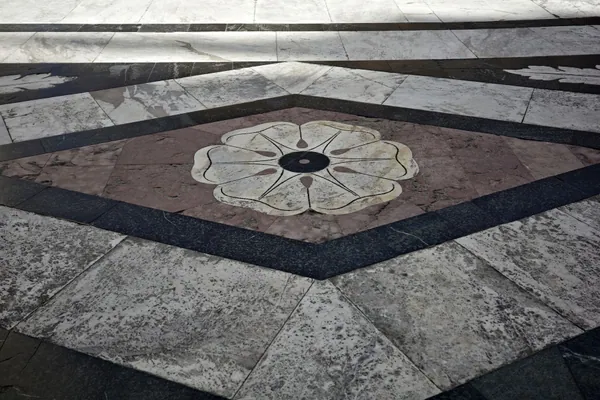
Marble, terrazzo, and granite do not take the same diamond pads, so we identify the stone and its wear first.
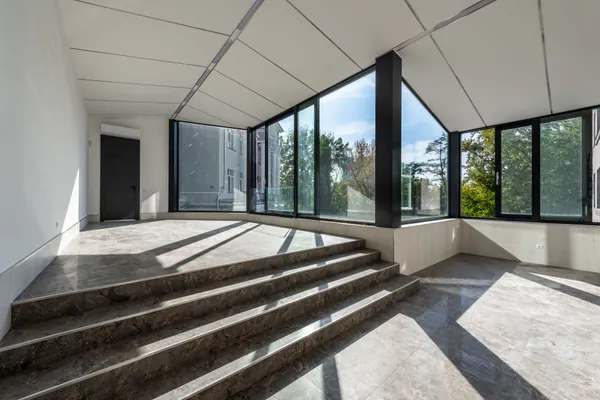
Walls, doors, and fixed furniture are masked off first, because grinding is wet work and it throws slurry.

Coarse to fine in steps, leveling the surface and taking the scratches out of the stone instead of hiding them.
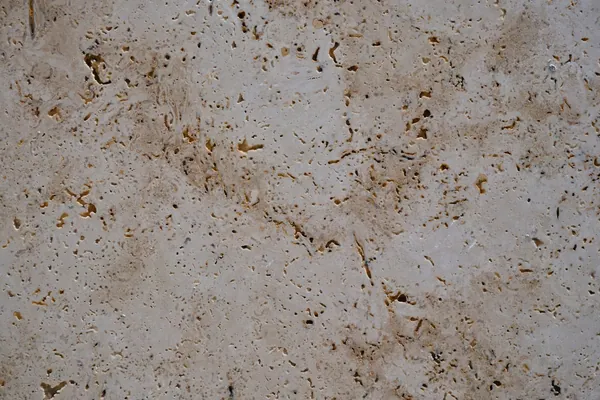
Tile edges sitting proud of their neighbors are ground down until the floor reads as one level underfoot.

Powder polishing or crystallization brings the gloss up out of the stone, so there is no coating to wear off later.

A penetrating sealer slows how fast a spill soaks in, applied by agreement depending on the stone and where it sits.
If your floor needs any of these, we tell you at the survey, not after the machines have run. In most cases we point you to the right trade even when the work is not ours.
The steps are a sequence, not a menu. Jumping a grit, or polishing over grinding marks, is the mistake we are most often called to fix after someone else.
Marble, granite, terrazzo, and engineered stone take different grits and different pressure. We test on a hidden area and see the result before committing the floor.
For worn, scratched, or ridged floors, coarse diamonds take the surface below the damage. This is also the step that flattens lippage between tiles.
The surface is refined one grit at a time. Each step removes the scratch pattern of the one before it; skip a step and the haze it leaves cannot be polished out.
Cracks, chips, and open joints are filled to match and levelled before the polish, so the repair disappears into the finish instead of sitting proud of it.
The final level, matte, satin, or mirror, is brought up with fine pads or a powder polish. We set the target with you before this step, not after.
A penetrating sealer goes on last, then we walk the floor with you. Anything you point to is redone in the same visit.
We do not publish a fixed figure, because cases genuinely differ. These are the factors we ask about, so you know where your job sits before you call.
An open hall is worked faster than the same area cut up by columns, thresholds, and tight corners. Edges are slower than the field, and the layout decides how much edge there is.
Soft marble, hard granite, and terrazzo each take different consumables and time. The stone sets the pace as much as the size does.
A floor that only needs a polish is quick. One that needs grinding out deep wear, etching, and lippage is several steps more, and we say which yours needs before we start.
A mirror polish is more steps than a satin one. The target level changes the work, so we agree it up front.
A floor that can only be done after closing, or in sections around foot traffic, takes longer to schedule and stage. That is factored in before the crew arrives.
Send photos of the floor and a rough idea of the area on WhatsApp, and you get an estimated price and time before you commit to anything.
The bottles at the store promise a shine, and they do add a temporary film. Here is the real difference from restoring the stone itself.
Checking the stone on a hidden area is a step we treat as necessary, not optional. A floor ground with the wrong grit cannot be un-ground.
We send a crew trained on stone with the machines to match. A large floor is finished in staged sections instead of left half-done.
The grinders, pads, and polish come with the crew. No delay because the machine is on another job.
If a tile is cracked through and needs replacing rather than polishing, we say so. A step that will not hold is not one we sell.
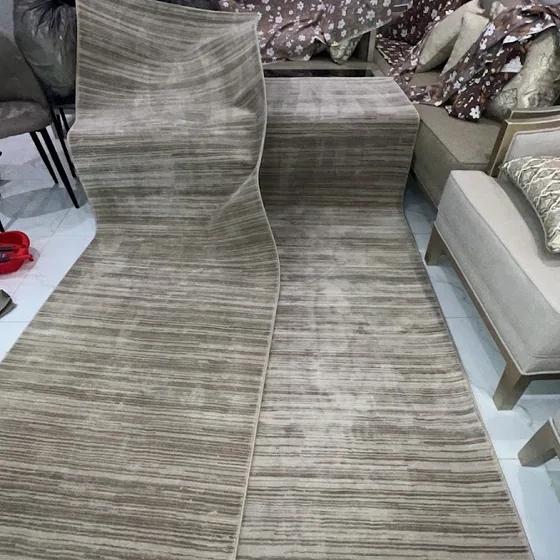
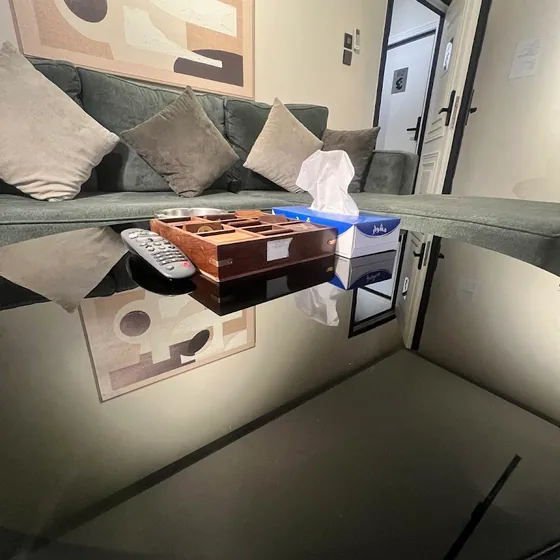
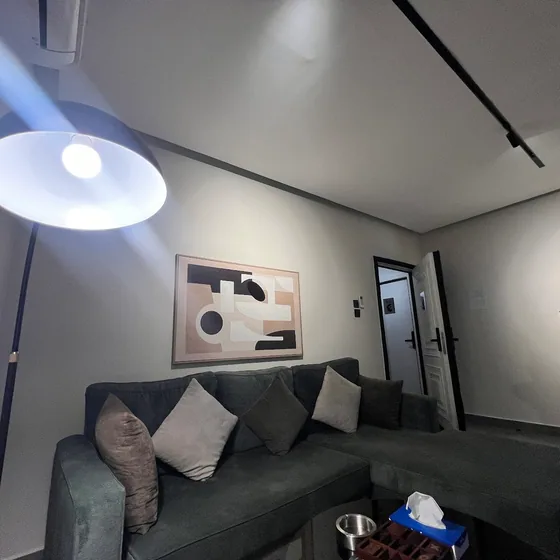
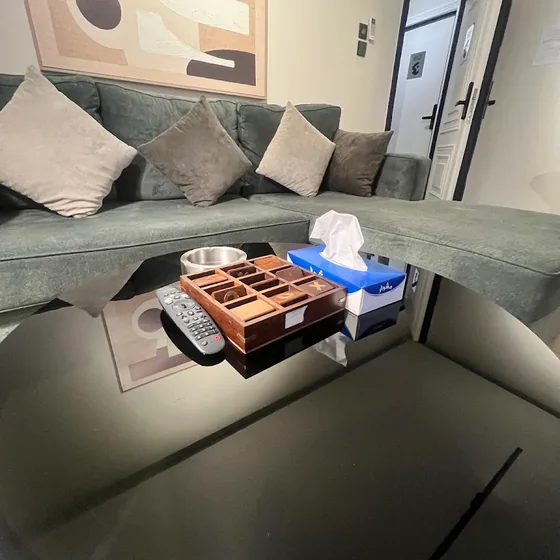
Photographs from real jobs carried out by the crew.


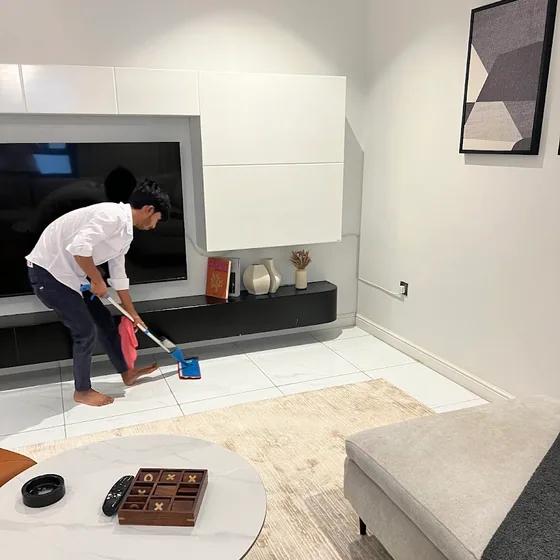
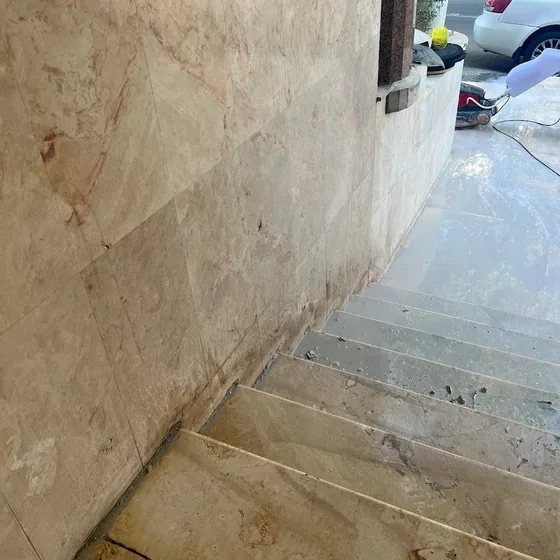
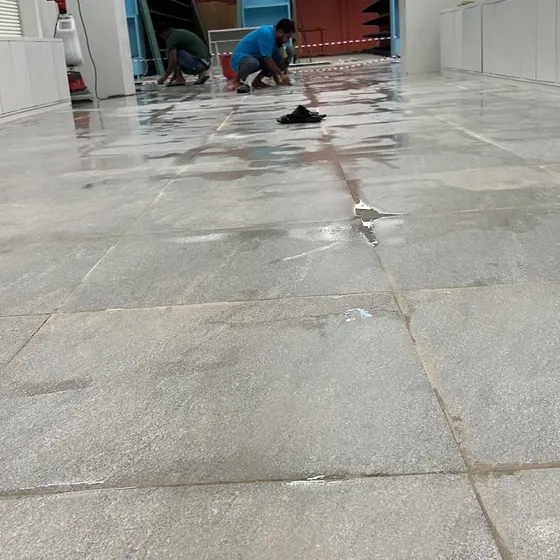

The commitment is simple enough to keep: we do not leave before you have walked the floor and given your view on the finish.
We look at the job and agree the figure before any work begins, and nothing is added to it afterwards. If the scope changes during the visit we stop and ask you before carrying on.
At the end of the visit we walk the place with you. Anything you point at is redone in the same visit, not booked for another one, and at no extra cost.
We arrive when we said we would. If that becomes impossible you hear it before the appointment rather than after, because waiting without knowing how long is worse than a delay you were told about.
Everything we offer in this category, in a single visit if you need more than one.













The crew and its equipment travel to you, and the price does not change with the district.
Four steps, and none of them commits you to paying before you have seen the price.
WhatsApp or a call. One photo is usually enough.
In writing, before you commit to anything. You approve it, or we adjust it.
At the agreed time, with everything the job needs.
A walk-through before we leave. The job is not closed until you are satisfied.
Send photos of the floor and a rough area, and you get an estimated price and the available time. No work starts before you agree the number.