
How many rooms are affected
One bedroom is not the same as an infestation that has reached other rooms. We ask what is affected, because the treated area drives the work more than anything else.
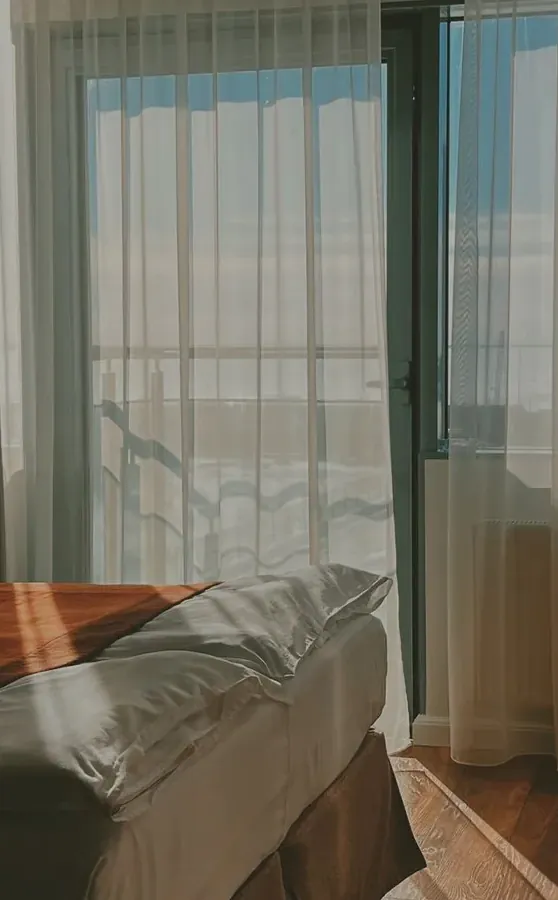
Bed bugs do not live on the open mattress; they hide in seams, frame joints, behind the headboard and along the skirting, and come out at night to feed. That is why a can of spray on the surface misses them. Just as important, the eggs are shielded and survive the first treatment, so timing a second pass is not an upsell, it is how the cycle is actually broken.
They are easy to confuse with other bites at first. If more than one of these lines up, it is worth an inspection before it spreads.
Bed bug bites often come in a small row or group on skin exposed while sleeping, and tend to appear after nights rather than during the day.
Tiny black or rust-coloured dots on the seams, the box spring edge or the headboard are their droppings. It is one of the clearest early signs.
As they grow they leave tiny translucent shells behind in the seams and joints. Finding these means a population is established, not passing through.
A heavier infestation can give off a slightly sweet, musty odour around the bed. On its own it is subtle; with the other signs it confirms.
Waking with new marks you did not have going to bed points to something feeding at night, which fits bed bugs more than most other causes.
Small flat reddish-brown insects tucked into frame joints, seams or behind the headboard. Seeing a live one settles the question.
The second list is the one that prevents disputes, it is usually in small print, or not written at all.

We check mattress seams, the bed frame and nearby cracks first, because treating blind leaves the source untouched.

Treatment goes into the seams, the piping edges and the joints of the wooden frame, where the bugs actually shelter.
Behind furniture, along the skirting boards and around socket plates, the shelters you cannot see from the room.

The carpet borders and the floor under furniture, where the bugs move to once they spread beyond the bed.
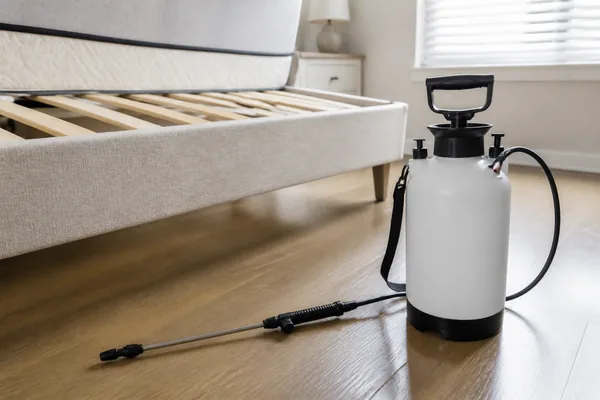
Most products kill adults and leave the eggs behind, so the treatment is chosen to cover the whole life cycle.
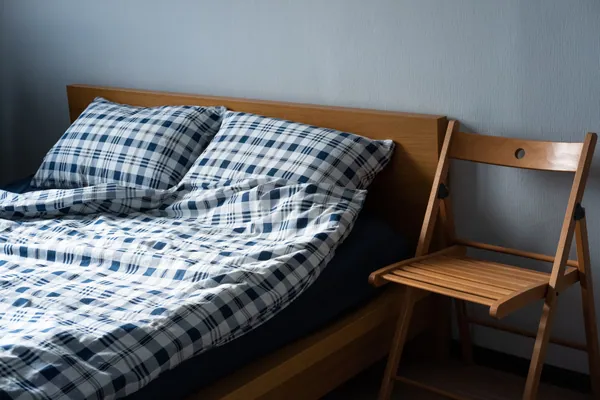
Eggs that hatch after the first pass need a second treatment, which is part of the plan, not an extra.
If a piece is genuinely beyond treating, we say so at the inspection so you can decide, rather than treating it to look thorough. Replacing anything is always your call.
The order and the timing are the whole job. Spray first without finding them, or skip the follow-up, and it comes back, which is most of what we are called in to fix after a failed attempt.
Before anything is applied, we inspect the seams, frame joints, headboard and skirting to locate the harborage points. Treating blind wastes the treatment on empty surfaces.
Visible bugs and eggs in reachable spots are removed physically first, which lowers the population immediately and makes the treatment work on less.
Applied into the seams, joints and cracks where they actually shelter, not misted across the open mattress where they never sit during the day.
We work outward from the bed to the surrounding furniture and skirting, because by the time you notice them they have usually started to spread.
Washing and hot-drying bedding, clearing clutter and keeping the layout stable between passes is half the result. We give you the exact list.
Eggs are shielded and survive the first treatment. The second pass is timed to hit the hatchlings after they emerge and before they can breed again.
We do not publish a fixed figure, because cases genuinely differ. These are the factors we ask about, so you know where your job sits before you call.
One bedroom is not the same as an infestation that has reached other rooms. We ask what is affected, because the treated area drives the work more than anything else.
Caught early at the bed it is contained; left for months it moves into surrounding furniture and rooms. The later it is found, the more there is to treat.
A bed with little around it is quick; a room full of furniture and clutter means more harborage points to inspect and treat one by one.
A light, recent infestation is different from an established one with droppings and shed skins throughout. The second may need more attention across passes.
How advanced it is affects the follow-up the case calls for. We set that out at the inspection so it is part of the plan, not a surprise later.
Send photos of the bites, the mattress seams and any spots you have found on WhatsApp, and you get an estimated price and plan before you commit to anything.
Shop sprays are easy to buy, and they do kill a bug on contact. Here is why that rarely ends an infestation, without the packaging claims.
The result comes from reaching the seams, joints and cracks, not from how much is sprayed. That focus is the difference between a knockdown and an end to the cycle.
We do not pretend one visit ends it. The second pass is timed to the hatch and set out at the inspection, so it is expected, not sold to you later.
The company runs a large crew, and the team arrives with the materials and a plan for the layout, so the whole affected area is handled in the visit.
If it is early and contained we say so, and if it is advanced we say that too. Underselling or overselling the situation helps no one who has to sleep in the room.
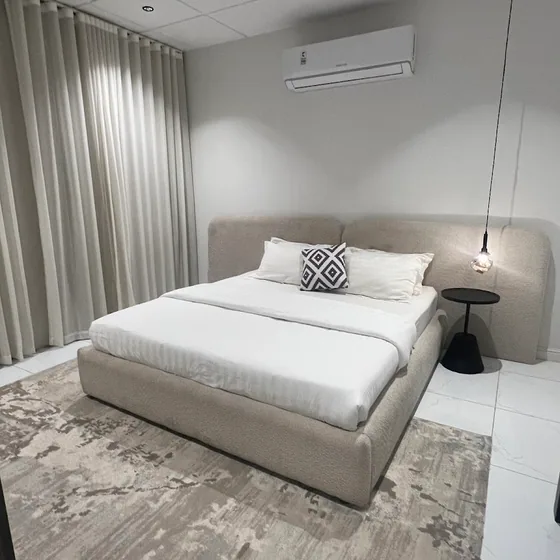
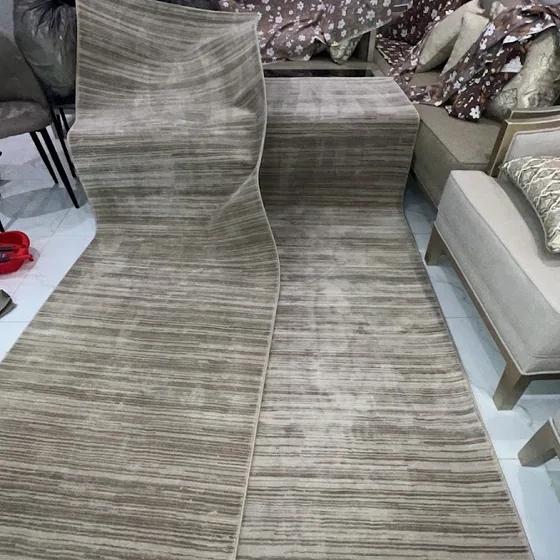
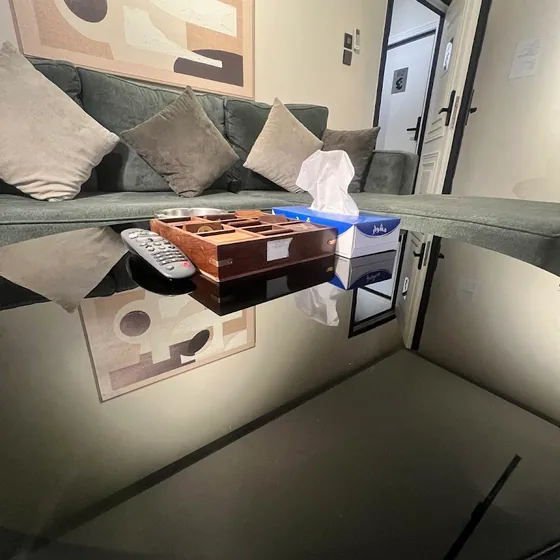
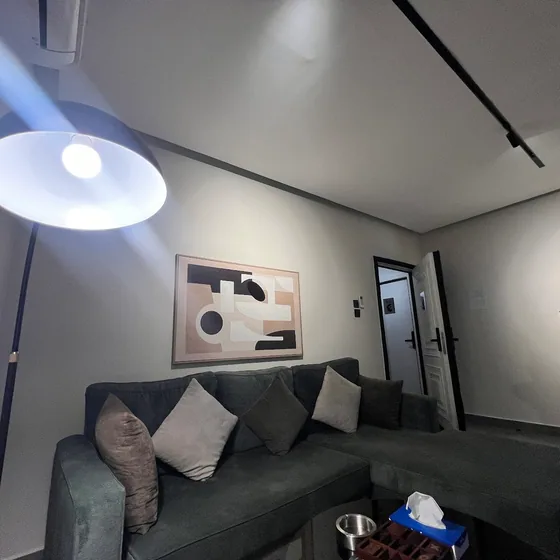
Photographs from real jobs carried out by the crew.
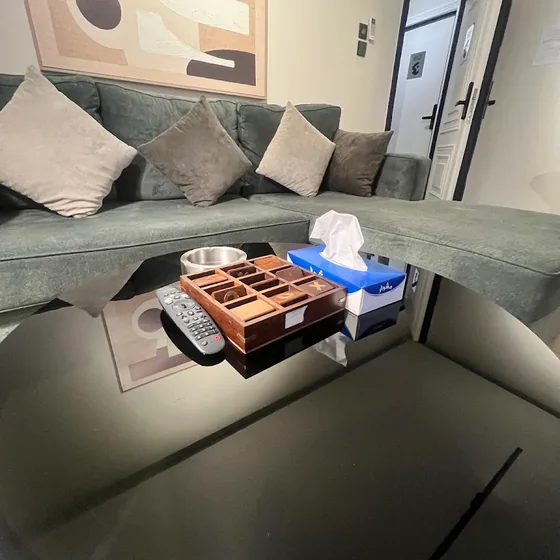
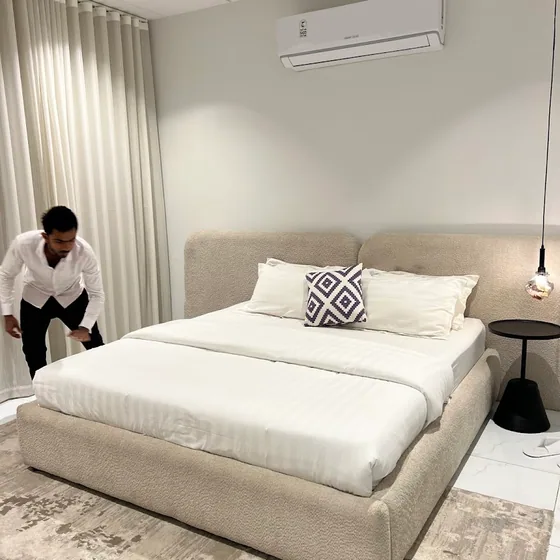
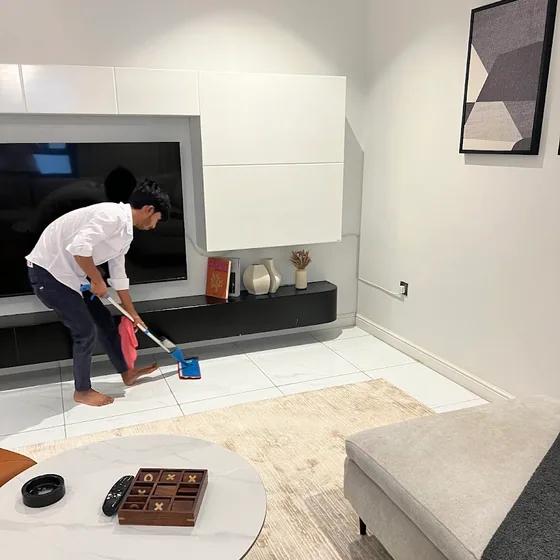
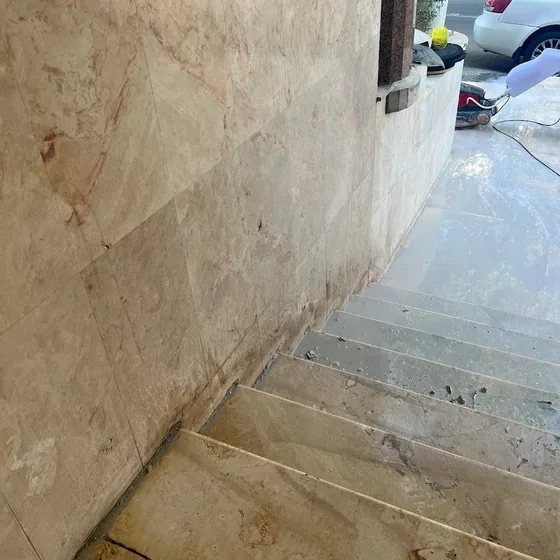
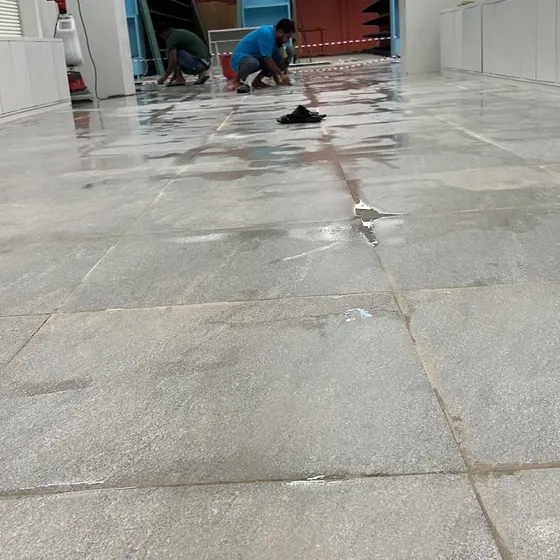
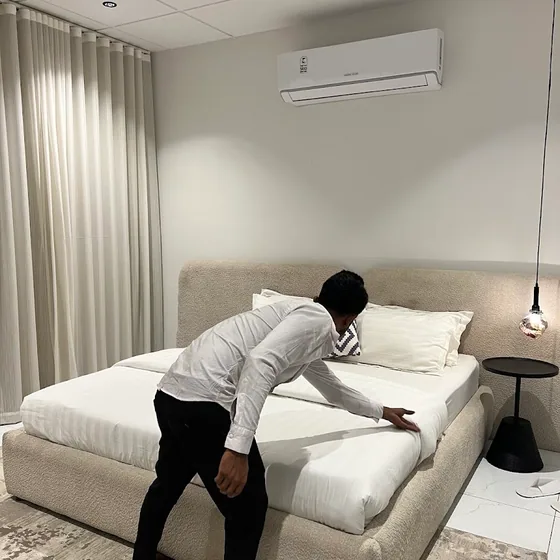
The commitment is one you can hold us to: an honest read of the situation, and no work or cost added without telling you first.
We look at the job and agree the figure before any work begins, and nothing is added to it afterwards. If the scope changes during the visit we stop and ask you before carrying on.
At the end of the visit we walk the place with you. Anything you point at is redone in the same visit, not booked for another one, and at no extra cost.
We arrive when we said we would. If that becomes impossible you hear it before the appointment rather than after, because waiting without knowing how long is worse than a delay you were told about.
Everything we offer in this category, in a single visit if you need more than one.









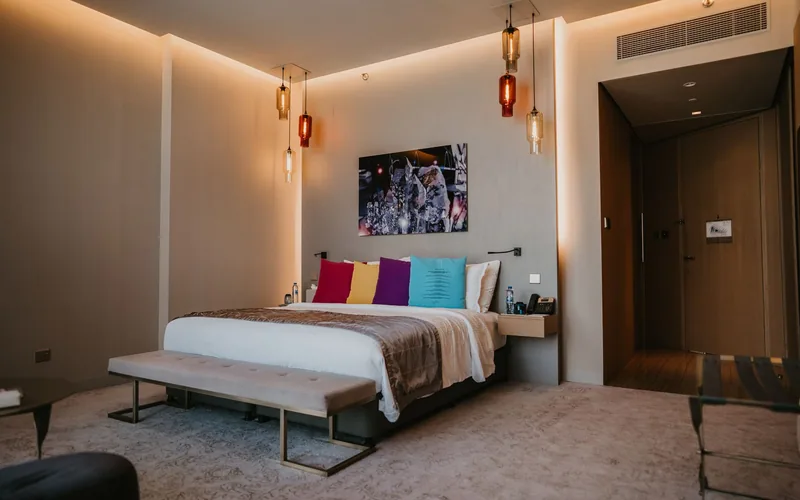

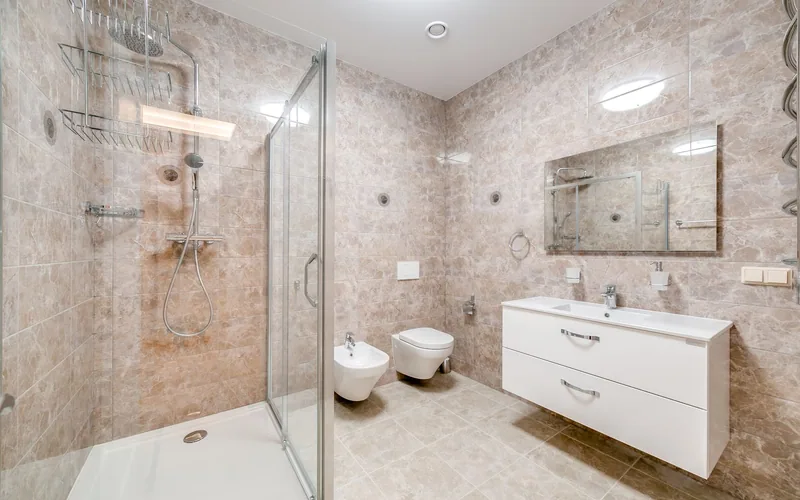



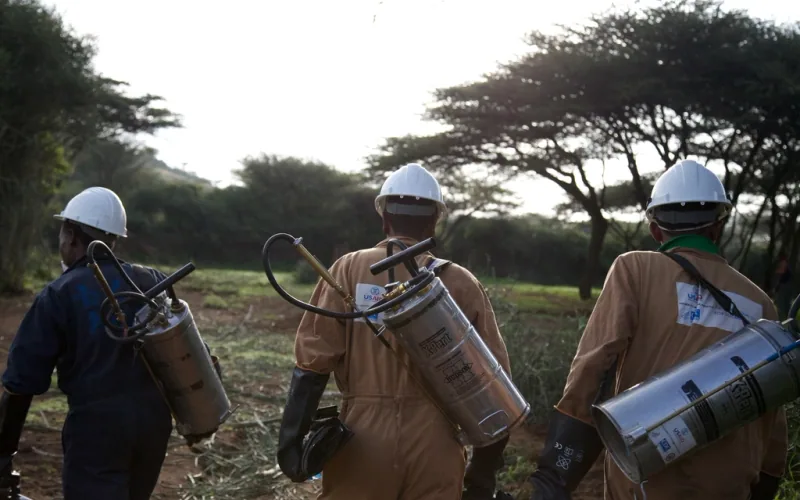
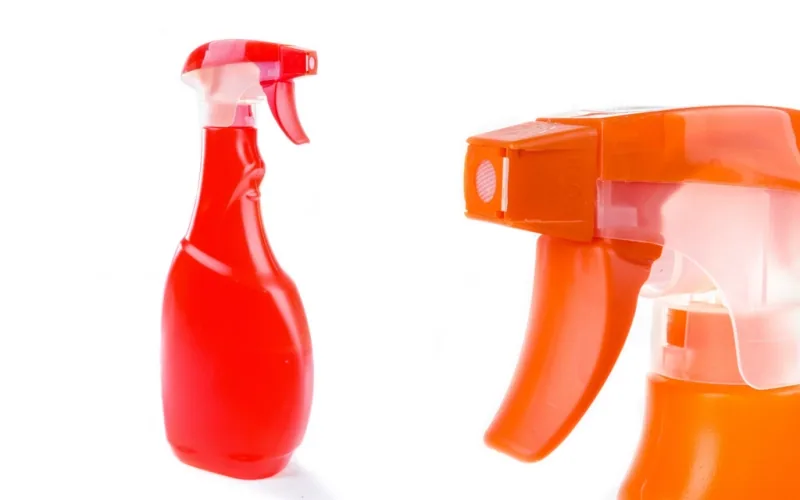




The crew and its equipment travel to you, and the price does not change with the district.
Four steps, and none of them commits you to paying before you have seen the price.
WhatsApp or a call. One photo is usually enough.
In writing, before you commit to anything. You approve it, or we adjust it.
At the agreed time, with everything the job needs.
A walk-through before we leave. The job is not closed until you are satisfied.
Send photos of the bites and the mattress seams, and you get an estimated price and a plan with the follow-up included. Nothing starts before you approve it.