
We know builder's dust
This is not a heavier version of a normal clean.
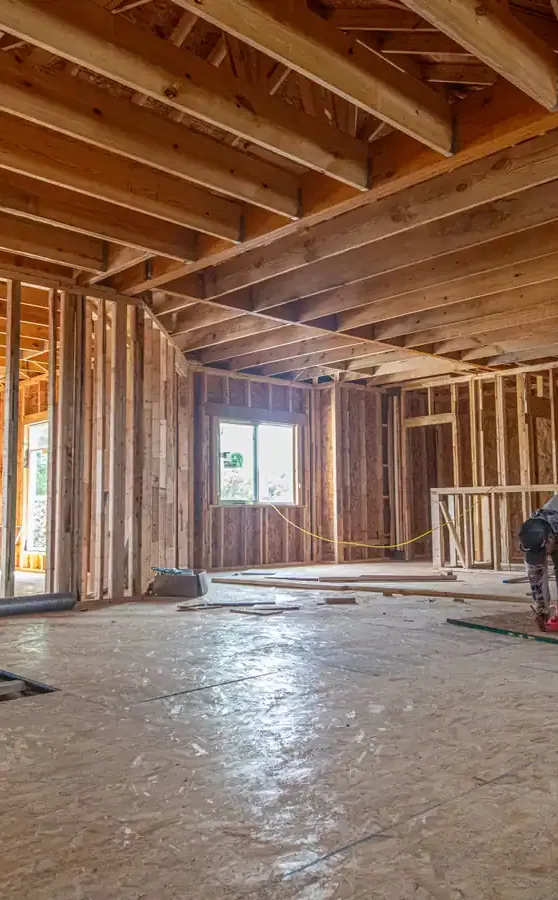
Al Sham is one of the four historic quarters inside the old walled city of Jeddah, in the north of Al Balad facing the direction of Bilad al Sham, with heritage stone and timber buildings mixing housing with trade, so post-construction cleaning here differs fundamentally because the buildings are historic first, and deep seams in stone, delicate timber framing, and centuries of mineral deposits mean that dust accumulates far more persistently than in modern structures and does not respond to standard wiping.
Heritage stone and timber buildings trap dust deep in the seams and corners that ordinary brooms cannot reach, and the mortar between stones is softer and more porous than modern cement, holding dust far longer. For the method itself, see our post-construction cleaning service in detail.
Al Sham stone is ancient and rough-hewn. Joints between stones are deep and irregular, and dust settles into these seams far below surface level. Surface scraping alone will not reach it; each seam and corner needs careful individual attention without damaging the stone itself, which is irreplaceable.
Balconies, ceilings and timber doors are very old. Excess water causes swelling or cracking. Cleaning here requires much gentler rinsing than in modern homes, using soft spray instead of high pressure, and always allowing rapid drying.
Al Sham contains both pure heritage buildings and newer structures interspersed. Each building needs a different approach: stone and timber need careful attention, while modern ceramic and tile can tolerate higher pressure and more water. A single team must switch methods building by building.
A historic quarter within the old city walls, north of Al Balad, containing heritage stone and timber buildings, near Hassan Annani Mosque, Souk Al Alawi and Umm Hina Cemetery.
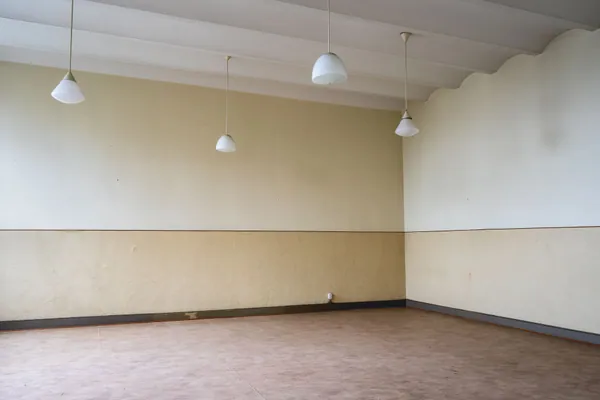
Stone and timber buildings are cleaned from the top with exceptional care, and rinsing is very light to prevent damage to fragile old materials.
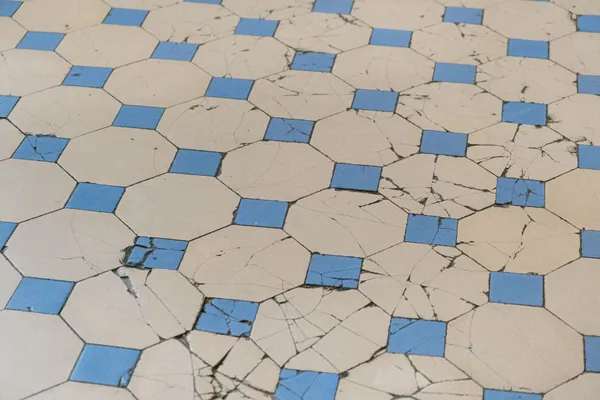
Cement and plaster remnants on stone are scraped with extreme caution using soft tools that do not affect the ancient surface or mortar.

Old glass and timber frames are cleaned with very soft brushes and gentle wiping without high pressure that might break old panes or stress timber joinery.
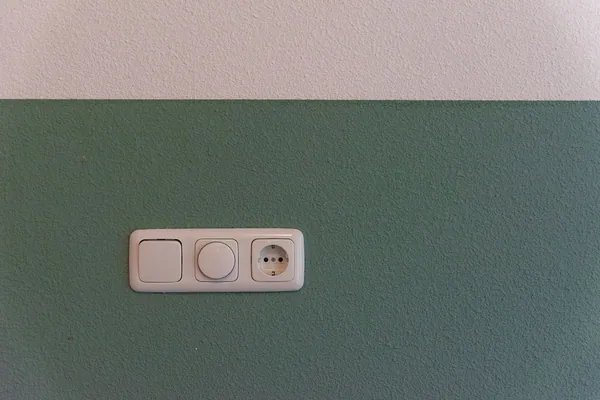
Paint spatter on stone and timber is removed with gentle heat and patience, avoiding aggressive scraping that would damage historic finishes.
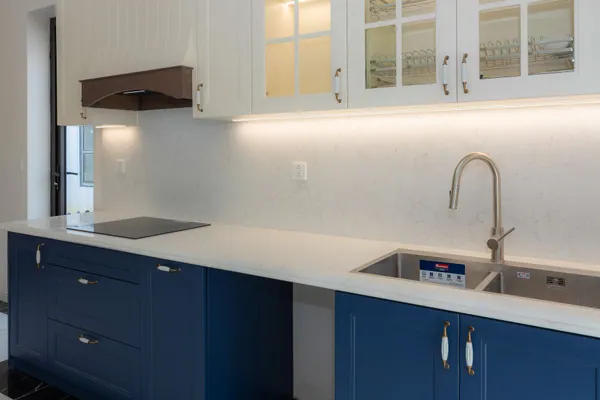
Stickers on stone and timber are removed with moderate heat and gentle moisture, avoiding soaking that would cause timber swelling or stone saturation.
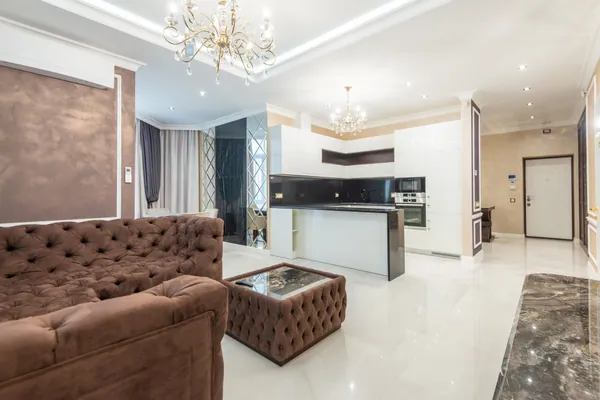
Old floors are mopped with moderate water and left to dry slowly and naturally, avoiding wet patches that might cause timber swelling or attract historic mould problems.
We start at the ceiling, vents and the tops of everything, then work down.
The fine powder is vacuumed and dry-collected first.
Windows, mirrors and the sliding tracks are cleared of grit and sticker residue before the wet stage, so nothing muddy is dragged across them later.
Grout haze, paint spots and adhesive are worked off tile, stone and fixtures with the method each surface can take, tested before we commit to it.
Every closed space is opened and cleared, because that is where settled dust hides until you reach for a plate months later.
Floors are washed only after all the dust above has come down, then we walk the home with you and anything you point to is redone before we leave.
Historic district: close-set buildings, narrow lanes and ageing services
Historic here means stone and timber are the primary materials, each requiring treatment different from modern concrete or ceramic.
This is not a heavier version of a normal clean.
The company runs a large crew and we send a team, not a single cleaner.
The vacuums and materials come with the team, not rented on the day.
If a paint spot or cured cement mark cannot come off without risking the surface, we tell you at the inspection rather than damaging it to look busy.
Photographs from real jobs carried out by the crew.












The commitment is simple enough to actually keep: we do not leave before you have walked the home and told us what you think.
Central Jeddah is the old heart of the city: Al Balad with its coral stone houses, and the dense apartment quarters around it with shops beneath the flats. Floors here are often terrazzo or older ceramic tile, worn smooth and easily stained by cooking grease that drifts up from the street. Older kitchens and bathrooms carry heavy scale on taps and around drains, and pipework in the older blocks leaves rust marks in basins. Rugs and curtains take on the fine black dust of the main roads, so they need washing more often than elsewhere.
We provide these in Al Sham too, and more than one can share a single visit.



