
We know builder's dust
This is not a heavier version of a normal clean.
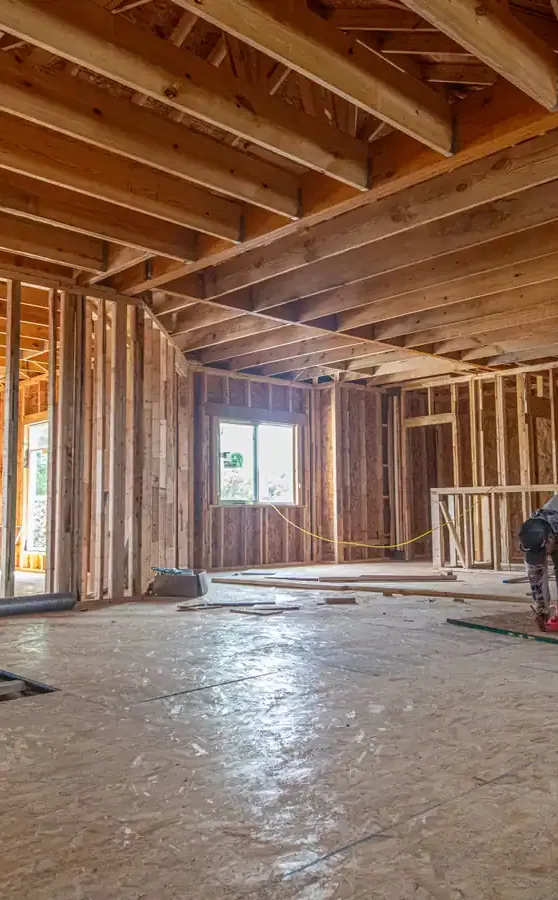
Al Sharafiyah is a dense commercial district: shops, showrooms and small workshops on ground floors with residential flats and apartment blocks rising above. Here cleaning must distinguish between construction dust from the new homes and finer industrial dust from the workshops and shops, each requiring different treatment to avoid re-settling.
Flats above shops and workshops soil faster than purely residential quarters, and the fine industrial dust passes through even closed windows, embedding itself deeper than coarser construction particles. For the method itself, see what post-construction cleaning involves.
Ordinary construction dust is large particles that settle quickly. Workshop and shop dust is much finer and travels through air much longer, clinging to fabrics, curtains and carpet fibres deeply. Removal needs strong suction before any water rinse, or the dust just gets driven deeper into the weave.
Daily traffic of builders, workers and shopkeepers moving up from ground level carries moisture, mud and dust into shared passages. The damp accumulates fast in corners and on landing edges. This grit gets tracked into upper flats on footwear and dust rises from the stairwell.
Al Sharafiyah holds a university campus, a hospital and government offices; these institutions require higher cleaning standards after construction work. Residential flats beside them may be more relaxed, but cleaning must meet the same bar across all units.
The district stretches along King Fahd Road east of Al Hamra, densely packed with shops and commercial buildings. The air carries both street dust and workshop grit at the same time.
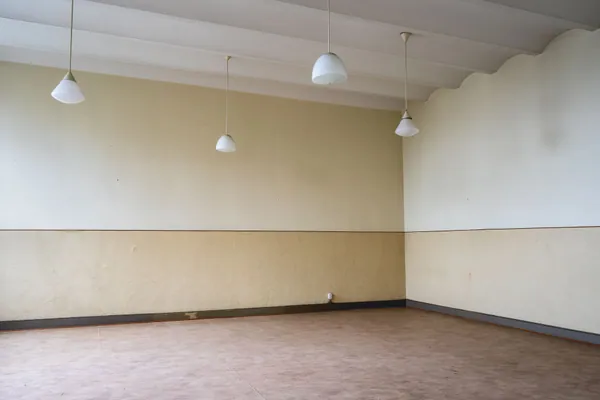
Construction dust and industrial dust from the shops require removal from the top down; shared ceilings and common AC units come first, then windows and balconies are addressed.
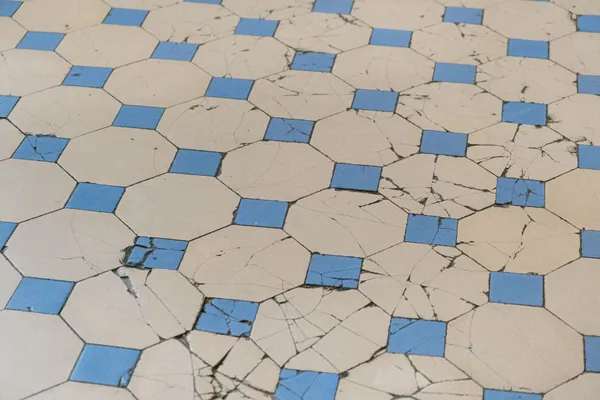
Cement residue accumulates in stair corners, shared passages and gaps around doors; scraping focuses on these areas where dust is most stubborn.

Glass and ceramic carry a double layer of ordinary dust plus fine workshop grit; haze removal demands extra care and may need two passes.
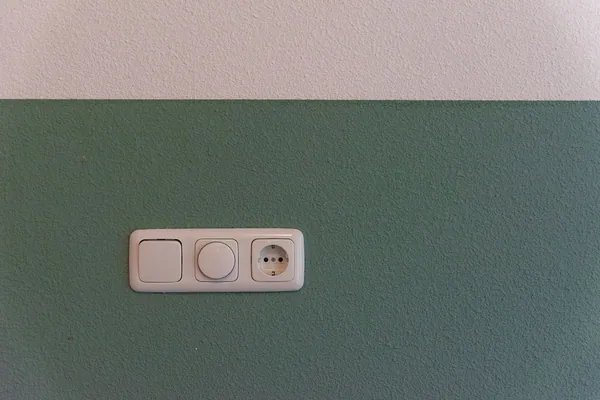
Paint spatter is compounded by fine workshop dust; glossy surfaces show every mark and require careful technique to avoid streaking.
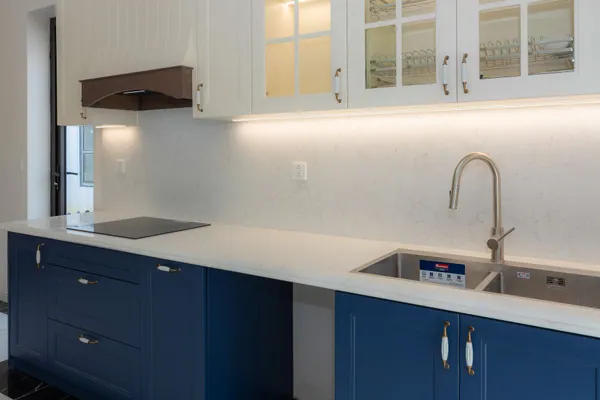
Stickers and adhesive from construction and shop work are removed from floors, surfaces and windows carefully to avoid damaging underlying finishes.
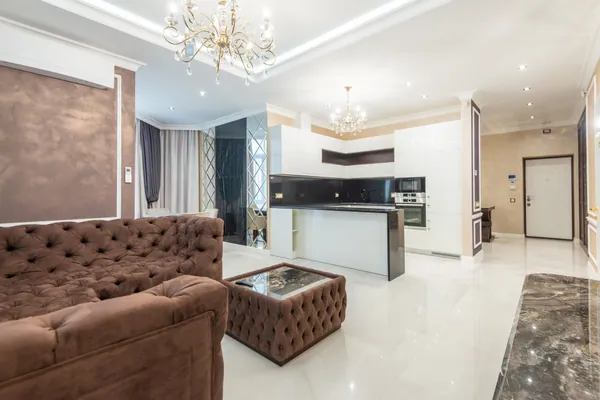
Floors are washed with multiple water changes to clear fine dust thoroughly, then rinsed repeatedly to prevent industrial dust from re-settling.
We start at the ceiling, vents and the tops of everything, then work down.
The fine powder is vacuumed and dry-collected first.
Windows, mirrors and the sliding tracks are cleared of grit and sticker residue before the wet stage, so nothing muddy is dragged across them later.
Grout haze, paint spots and adhesive are worked off tile, stone and fixtures with the method each surface can take, tested before we commit to it.
Every closed space is opened and cleared, because that is where settled dust hides until you reach for a plate months later.
Floors are washed only after all the dust above has come down, then we walk the home with you and anything you point to is redone before we leave.
Commercial area: offices, showrooms and small stores
A commercial district means the residential flat shares air with shops and workshops. Fine industrial dust from the shops penetrates any open window and clings to fabrics far harder than ordinary construction dust.
This is not a heavier version of a normal clean.
The company runs a large crew and we send a team, not a single cleaner.
The vacuums and materials come with the team, not rented on the day.
If a paint spot or cured cement mark cannot come off without risking the surface, we tell you at the inspection rather than damaging it to look busy.
Photographs from real jobs carried out by the crew.












The commitment is simple enough to actually keep: we do not leave before you have walked the home and told us what you think.
Al Sharafiyah is defined by King Fahd Road and the King Saud Mosque, the city's largest. From the junction of King Fahd Road with Khalid ibn Al Walid Street, or from the King Saud Mosque itself, the surrounding residential buildings and offices are easily reached.
We provide these in Al Sharafiyah too, and more than one can share a single visit.



