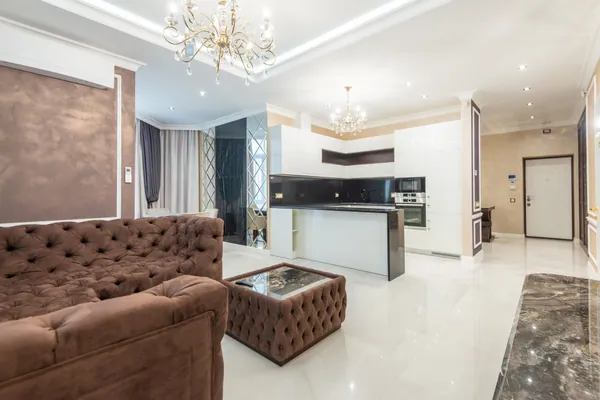
Post-Construction Cleaning in Al Baghdadiyah West

Post-Construction Cleaning in Al Baghdadiyah West, Jeddah

Al Baghdadiyah West sits directly on the coast near Arbaeen Lagoon and Al Hamra Corniche, where high humidity and salt air cause the fine dust from construction to cling to every surface faster than it does inland. Glass, metalwork and textiles here need special attention because salt particles bond with grit and plaster dust.

  • A full team, not one person
  • Price agreed before we start
  • Our own vacuums and materials
  • Redone in the same visit

What changes about post-construction cleaning in Al Baghdadiyah West

Salt air deposits a visible film on every glass and metal surface by the end of the first day after work stops, before any cleaning begins. For the method itself, see the full post-construction cleaning page.

  • The first reason

    Salt and humidity lock dust to surfaces faster

    In Al Baghdadiyah West, coastal air makes the fine cement and gypsum particles bond to glass and metalwork much faster than in inland districts. High humidity turns the dust into a stubborn coating that ordinary wiping just moves around, not off. It needs scraping first, then rinsing with fresh water.

  • The second reason

    Cement and salt combine into a hard film on glass

    Plaster dust from the work mixes with salt particles in the air on windows and becomes almost calcified. Scraping must be precise to avoid scratching, and fresh water alone will not shift it. The salt also makes the cement dust stick harder than it would in a dry area.

  • The third reason

    Curtains and fabrics absorb salt air immediately

    Textiles in coastal flats absorb salt from the air within hours of hanging, becoming stiff and unpleasant to touch. Any fabric left up during construction needs rinsing in fresh water before it dries, or salt crystals form and become impossible to shake out.

What post-construction cleaning covers in Al Baghdadiyah West

An older coastal district between Madinah Road and Port Bridge Road, with mid century apartment buildings on flat, low ground close to the sea where humidity stays high year round.

  • Dust removed from the top down

    Dust removed from the top down

    Fine coastal dust and salt settle together from the top down; we begin at ceilings and work down with continuous ventilation to prevent redistribution.

  • Cement and plaster spots scraped

    Cement and plaster spots scraped

    Cement residue locked onto tiles by salt needs gentle wet scraping first to soften it, then careful dry scraping to lift it without gouging the surface.

  • Haze off glass and ceramic

    Haze off glass and ceramic

    Glass and ceramic hold a white salt film that fresh water alone will not shift; we use slightly warm soft water and soft cloth, with a final rinse to prevent salt tide marks.

  • Paint spatter removed

    Paint spatter removed

    Paint spatter on tiles is penetrated by salt, so we remove it dry first, then rinse that area thoroughly with fresh water to flush out salt crystals.

  • Stickers and adhesive pulled off

    Stickers and adhesive pulled off

    Stickers and adhesive expand in the damp; we remove them before the full wash to avoid trapping salt and moisture underneath the residue.

  • Final floor wash and rinse

    Final floor wash and rinse

    Coastal floors dry slowly because humidity stays high; we rinse with minimal fresh water, then ensure complete drying before entry, as damp surfaces re-salt from the air.

Not included

  • Removing construction rubble, debris or leftover materials
  • Repairing scratches, chips or paint touch-ups
  • Removing cement or grout that has fully cured onto a surface beyond safe cleaning
  • Cleaning inside walls, ducting or fixed machinery
  • Hauling away old fixtures or appliances

How the cleaning actually goes

  1. 1

    Top down, never bottom up

    We start at the ceiling, vents and the tops of everything, then work down.

  2. 2

    Dry removal before any water

    The fine powder is vacuumed and dry-collected first.

  3. 3

    Glass, frames and tracks

    Windows, mirrors and the sliding tracks are cleared of grit and sticker residue before the wet stage, so nothing muddy is dragged across them later.

  4. 4

    Haze and specks off hard surfaces

    Grout haze, paint spots and adhesive are worked off tile, stone and fixtures with the method each surface can take, tested before we commit to it.

  5. 5

    Cabinets and drawers, inside and out

    Every closed space is opened and cleared, because that is where settled dust hides until you reach for a plate months later.

  6. 6

    Floors last, then a walkthrough

    Floors are washed only after all the dust above has come down, then we walk the home with you and anything you point to is redone before we leave.

The character of Al Baghdadiyah West

Coastal area: high humidity and salt air through the year

Coastal means every dust particle and plaster bit will be salt-loaded, changing every step: we use less water, increase ventilation, and ensure complete drying before closing windows to stop salt air re-entering.

Why us for this service specifically

We know builder's dust

This is not a heavier version of a normal clean.
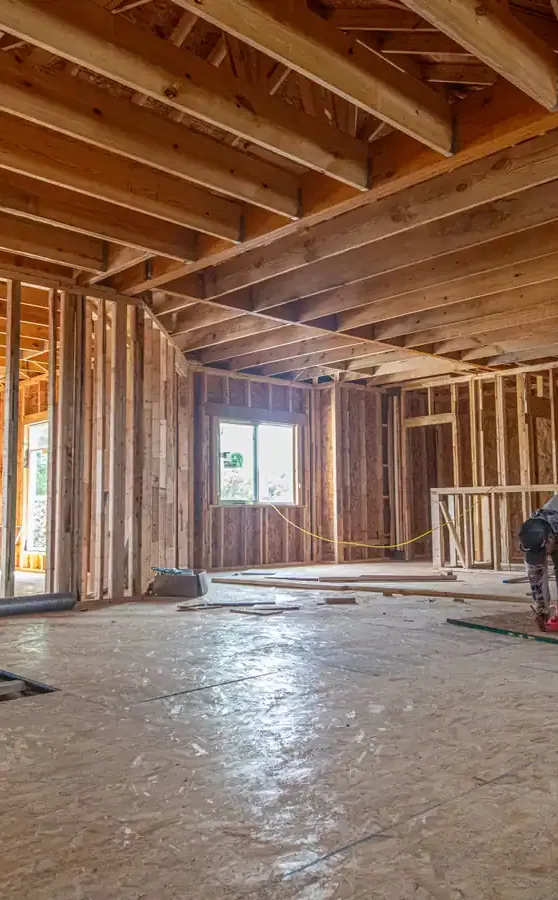
A full team arrives together

The company runs a large crew and we send a team, not a single cleaner.

The equipment is ours

The vacuums and materials come with the team, not rented on the day.

We say no when it is no

If a paint spot or cured cement mark cannot come off without risking the surface, we tell you at the inspection rather than damaging it to look busy.

From our work

Photographs from real jobs carried out by the crew.

A bedroom after a full clean
Bedroom at handover
Majlis carpet after washing
Majlis after washing
A majlis after a full clean
Majlis after cleaning
A living room after cleaning
Living room after cleaning
A sitting room after cleaning
Sitting room
A folded towel on a table
The small details
A tidy bedroom after service
Bedroom made up
Mopping a marble floor during work
Marble floors
Washing a stone entrance
Exterior entrances
Cleaning a commercial floor
Commercial floor
Making the bed during work
Bed made
A jacuzzi after descaling
Jacuzzi after cleaning

The job is not closed before you sign off

The commitment is simple enough to actually keep: we do not leave before you have walked the home and told us what you think.

Landmarks of Al Baghdadiyah West

Flats between Al Hamra Corniche and Madinah Road lie close enough to the sea that salt air reaches them daily. Work flows from street level upward, with extra attention to exposed surfaces, balconies and window seals where salt accumulation is fastest.

  • Arbaeen Lagoon
  • Al Hamra Corniche
  • Madinah Road
  • Port Bridge Road
  • Al Juffali Mosque

Questions about post-construction cleaning in Al Baghdadiyah West

Does salt air make the dust harder to remove?

Yes, salt particles bond with cement and gypsum dust, making them stick to surfaces far more firmly than inland dust does. The longer you wait, the harder the film becomes. Fresh water and careful scraping are essential, not just dry sweeping and wiping.

Why do windows in coastal areas look cloudy after construction?

Salt in the air and cement dust form a haze together on glass that is half calcified when it is dry. Scraping before any water touches it is the only way to shift it without smearing the glass cloudy. Plain vinegar or soap will not cut through the salt and cement film.

Should I clean the flat before or after the monsoon winds start?

Before, if you can. Salt air during construction means every day of delay lets salt crystals form deeper in the fabric of the building, on seals, in window tracks and inside the AC unit. Early cleaning stops this hardening process.

Will the grey film on ceramic tile disappear with normal mopping?

No. It is a mix of salt, cement dust and minerals from the air. It needs scraping in small spots, then fresh water rinsing. Hard water will leave white marks; soft or desalinated water rinses clean. Leave the tiles to dry completely before anyone walks on them.

How should I protect furniture after the cleaning?

Coastal humidity means furniture brought in too soon will absorb salt residue and smell musty. Wait at least two days, keep windows open, and make sure the flat has dried completely. Run an air con or fan to push salt air out, not in.

Are outdoor surfaces like balconies treated the same way?

No. Balconies need more freshwater rinsing because salt from the sea wind is much heavier there. Stainless steel fittings need oil afterward to stop salt corrosion. Concrete surfaces may need an acid wash if they have heavy salt buildup.

How soon after the work finishes should we book?

After the trades are fully done and no more dust-making work is left. Cleaning before the last sanding or cutting just means paying to do it twice.

How should I prepare before you come?

Clear away tools and leftover materials if you can, and let us know what stage the work reached.

How much does post-construction cleaning in Al Baghdadiyah West cost?

It is set after the inspection, because it follows the size of the job, the materials involved and their condition. Send photos on WhatsApp and we will give you an estimate before we reach Al Baghdadiyah West.

Other services in Al Baghdadiyah West

We provide these in Al Baghdadiyah West too, and more than one can share a single visit.

Post-Construction Cleaning in districts near Al Baghdadiyah West

Need post-construction cleaning in Al Baghdadiyah West?

We reach Al Baghdadiyah West at a time we agree, and you get the full cost before we start.

Call WhatsApp