
Size and number of fixtures
A small hallway light is not a large multi-tier crystal piece, and some homes have several. We ask the size and count, because that decides the time far more than the room does.

A chandelier dims long before a bulb fails. Fine dust settles on every crystal and dulls the light it should be throwing, cooking oils and humidity turn that dust into a sticky film, and the metal frame tarnishes underneath. It hangs too high to wipe on a whim, so it is usually left until the room feels darker than it should. That is the point to clean it.
The room feeling dim is the last sign, not the first. If one of these fits, it is time.
The room feels darker with every bulb still working. Dust on the crystals scatters and swallows the light instead of throwing it, so the fixture dims without a bulb ever failing.
Up close the crystals have a dull grey cast rather than a sparkle. That is settled dust turned to film, and it will not shift with a feather duster.
In a kitchen or dining room, dust binds with cooking vapour into a tacky coat. Once it is sticky it holds more dust, and it needs washing off, not dusting.
Webs and grey fluff gather between the arms and around the fittings, where nothing reaches from the floor. They catch the eye the moment the light is on.
The brass or chrome frame has darkened or spotted under the crystals. It is often overlooked because the eye goes to the glass, but it dulls the whole piece.
If you cannot remember, it has been too long. A fixture over a dining table or a stairwell earns a clean well before you would think to book one.
The second list is the one that prevents disputes, it is usually in small print, or not written at all.

Crystal, glass or metal, how it hangs and what state the fittings are in, all checked before we start.
The circuit to the fixture is switched off and the floor beneath covered, because nothing is worked on live.

We photograph how the pieces sit, so each one goes back into its exact position when it is refitted.

Crystal and glass drops are washed and dried one at a time with a product that leaves no streaks.
The metal frame, the arms and the gaps between them, where dust and webs gather out of sight.

Every piece returns to its position, then the power goes back on and each light point is checked.
If your case is one of these, we say so at the inspection, not after payment. Where a crystal is missing or the wiring is the real issue, we tell you plainly and point you to the right trade, even when the job is not ours.
The order keeps the piece safe. Wet it with the power on, or wash before you map it, and you risk the wiring or a missing crystal. This is the sequence, and it is not shortened.
The circuit is switched off before anything is touched, and warm bulbs are given time to cool. No water and no wet cloth goes near a live or hot fixture.
We check how it is built, which crystals are loose, and how it comes apart before removing a thing. A chandelier put back wrong looks worse lit than it did dirty.
The area under the fixture is covered before we start, so a dropped crystal lands soft and nothing marks the floor or table below.
Where the piece allows, crystals come off and are washed and dried individually. Where taking it apart risks the fixture, they are cleaned in place. The build decides, not the shortcut.
With the crystals off or aside, the frame, arms, bulb holders and ceiling mount are wiped down, since that is where film and webs hide behind the glass.
Every crystal goes back to its place, the fixture is switched on and checked, and we walk the room with you. Anything you point to is put right before we leave.
We do not publish a fixed figure, because cases genuinely differ. These are the factors we ask about, so you know where your job sits before you call.
A small hallway light is not a large multi-tier crystal piece, and some homes have several. We ask the size and count, because that decides the time far more than the room does.
Light dust cleans quickly; a sticky cooking-vapour coat needs washing crystal by crystal. The difference is real time on each piece, not just a higher number.
A fixture built to unclip is faster than one where every crystal must be cleaned in place. The build decides the method, and the method decides the time.
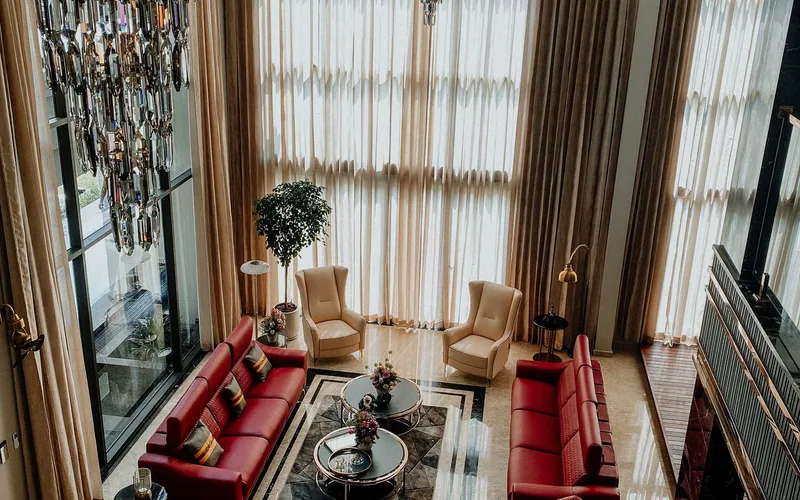
A fixture over a stairwell or a high double-height ceiling needs more setup to reach safely than one at normal height. Access changes the time, not the care.
Cleaning several fixtures, or booking with another service on the same trip, costs less than separate visits, because setup and access are handled once.
Send a photo of the fixture, how many you have, and the ceiling height on WhatsApp, and you get the price and an estimated duration before you commit to anything.
It is a fair question, and a duster reaches some of it. Here is the real difference, not the marketing one.
A crystal fixture over a stairwell is not a job for a kitchen stool. We bring the access to reach it steadily, so the piece is cleaned properly and nobody is balancing on one leg.
We send a team, not one person, so crystals come off, get washed and go back in one visit, without a lone worker hurrying a fragile piece to finish before dark.
Whether crystals come off or are cleaned in place depends on how the fixture is built. We follow the build, because taking apart the wrong piece is how a crystal ends up lost.
Nothing is done until the fixture is back together, switched on, and you have seen it throw its light. Anything off is put right there and then, at the price we agreed.
Photographs from real jobs carried out by the crew.



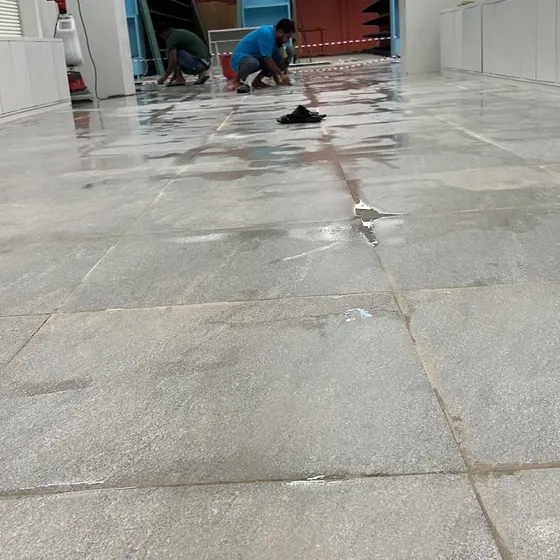
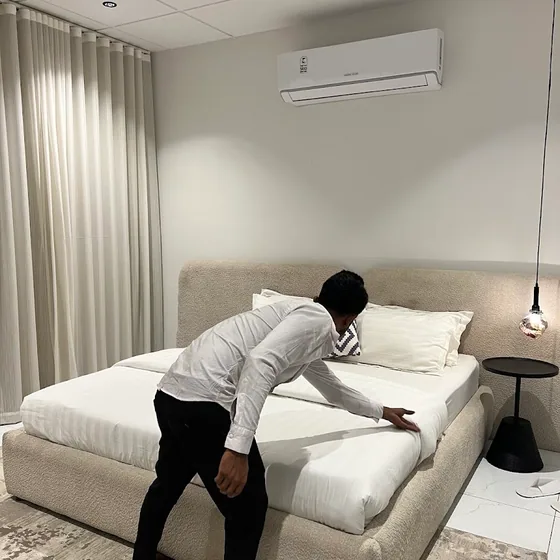
The commitment is simple enough to actually keep: we do not leave until the fixture is reassembled, lit, and you have seen it for yourself.
We look at the job and agree the figure before any work begins, and nothing is added to it afterwards. If the scope changes during the visit we stop and ask you before carrying on.
At the end of the visit we walk the place with you. Anything you point at is redone in the same visit, not booked for another one, and at no extra cost.
We arrive when we said we would. If that becomes impossible you hear it before the appointment rather than after, because waiting without knowing how long is worse than a delay you were told about.
Everything we offer in this category, in a single visit if you need more than one.
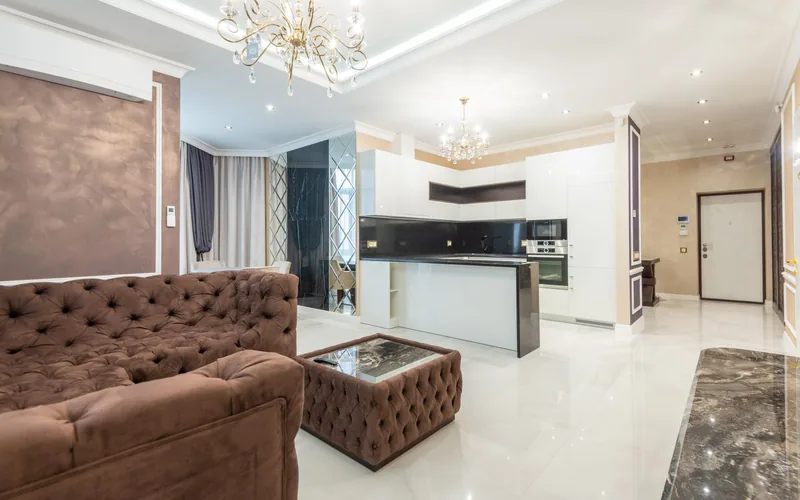












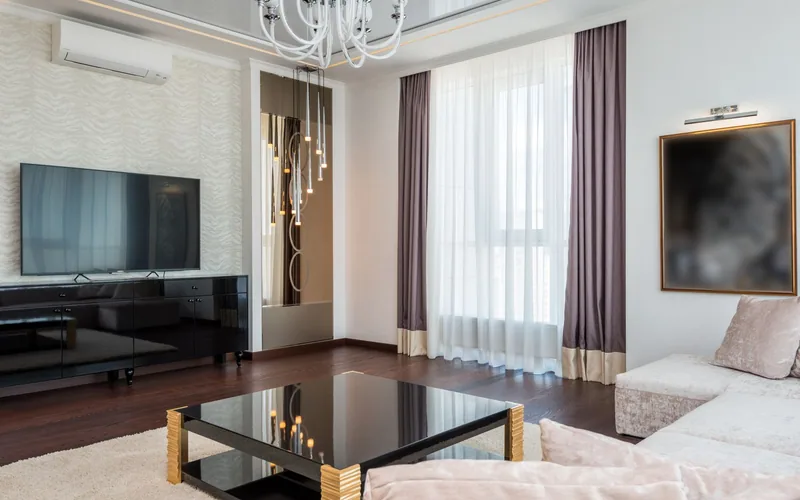



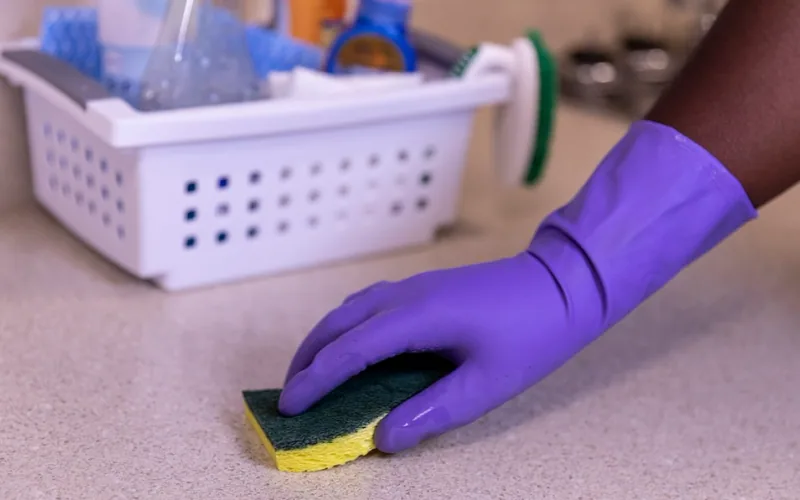
The crew and its equipment travel to you, and the price does not change with the district.
Four steps, and none of them commits you to paying before you have seen the price.
WhatsApp or a call. One photo is usually enough.
In writing, before you commit to anything. You approve it, or we adjust it.
At the agreed time, with everything the job needs.
A walk-through before we leave. The job is not closed until you are satisfied.
Send a photo of the fixture, how many you have, and the ceiling height, and you get the price and an available slot. Work does not start before you approve the number.