
We know builder's dust
This is not a heavier version of a normal clean.
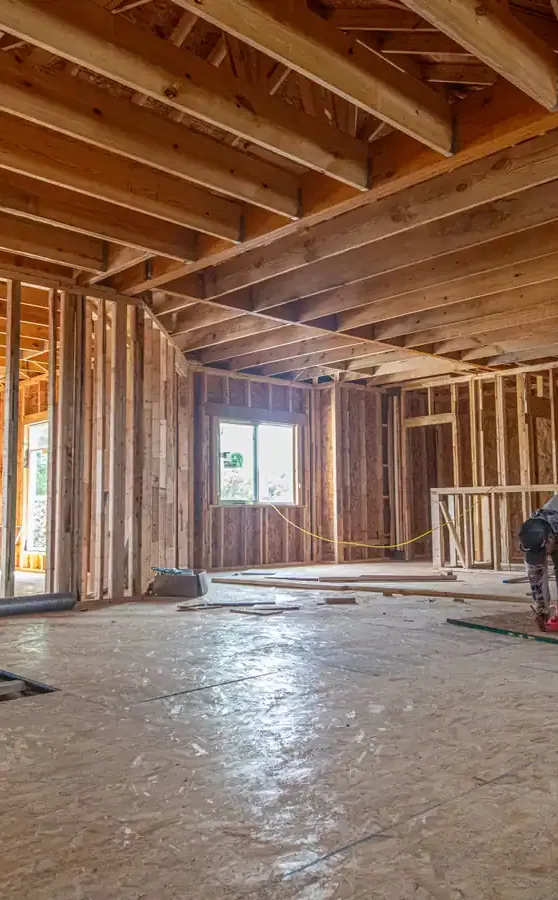
Al Shati sits directly on the sea and humidity runs high year round; salt clings to every metal surface and leaves white residue everywhere. The dust here is not dry like inland districts, but damp and sticky, it penetrates metal window frames and starts rust forming before construction ends. Every surface dries slowly, and salt crystallises overnight.
The difference shows on the walls: salt leaves white traces on ceramic and marble that plain water does not shift, and on iron it begins brown rust staining before the final clean is even finished. For the method itself, see our post-construction cleaning service in detail.
Metal window frames, iron doors and steel railings are covered in very fine salt mist from the air, and plain water does not remove it but adds moisture instead. We use a mild acidic solution that dissolves the salt then dry immediately before any water remains to cause rust to develop.
Salts from the air deposit repeatedly on outer walls and ceramic surfaces, leaving a thin white film. Post-construction cleaning must remove all salt at source, not just wipe surface moisture, or it returns within a week and the smell of brine becomes permanent in stored fabrics.
Sofas and curtains are exposed to damp salt air throughout construction and become very heavy with brine water. Standard washing is not enough; they need aggressive drying and heated air circulation through the fabric before it is hung.
Jeddah Corniche faces the Red Sea directly, receiving unfiltered humidity from the water, and seafront hotels and villas sit close to the shore where night air deposits moisture visibly on windows and metal.
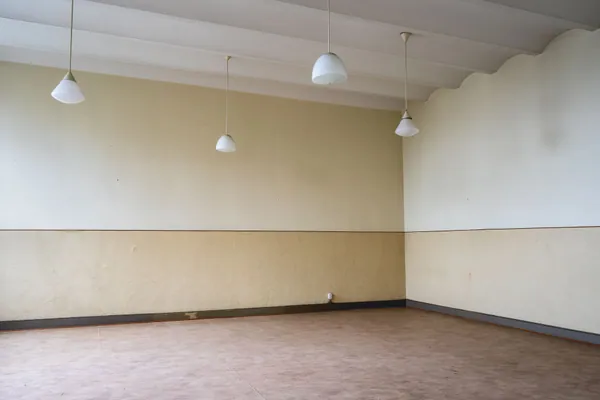
Dust falls from above but moisture from below lifts it back up, so we start by drying lower walls first, then open windows to expel damp air to outside and prevent the moisture cycling back.
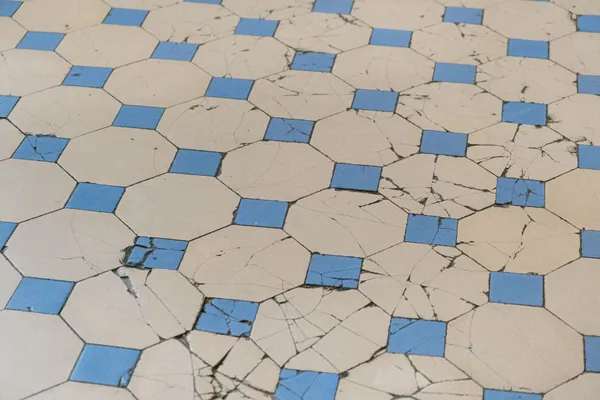
White salt residue on cement and stone is scraped gently, not washed directly, because water makes salt seep deeper inward. We use mild acidic solution then dry completely.

Glass holds a thin salt film from the air and ceramic tile leaves white salt traces; we use a salt-specific solution then rinse several times with fresh water to prevent re-crystallisation.
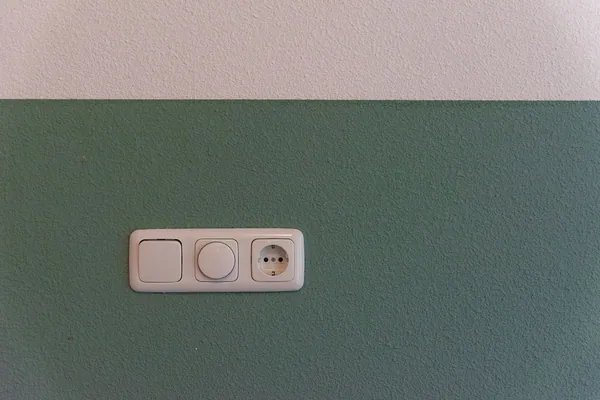
Salt spray on outer walls and exterior floors is removed with solution before any water wash, because cold water makes salt crystallise and return as the surface dries.
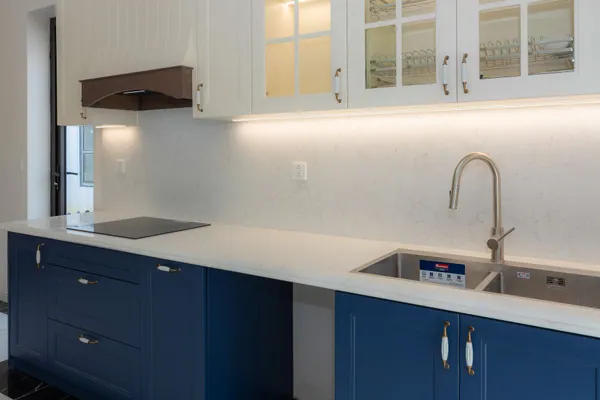
Protective stickers on glass and tile are removed and adhesive residue is wiped with solution, then rinsed with fresh water so no salt trace remains to reactivate in humidity.

Floors are washed with fresh water several times to remove all salt, then dried quickly before they reabsorb moisture from the humid air.
We start at the ceiling, vents and the tops of everything, then work down.
The fine powder is vacuumed and dry-collected first.
Windows, mirrors and the sliding tracks are cleared of grit and sticker residue before the wet stage, so nothing muddy is dragged across them later.
Grout haze, paint spots and adhesive are worked off tile, stone and fixtures with the method each surface can take, tested before we commit to it.
Every closed space is opened and cleared, because that is where settled dust hides until you reach for a plate months later.
Floors are washed only after all the dust above has come down, then we walk the home with you and anything you point to is redone before we leave.
This is not a heavier version of a normal clean.
The company runs a large crew and we send a team, not a single cleaner.
The vacuums and materials come with the team, not rented on the day.
If a paint spot or cured cement mark cannot come off without risking the surface, we tell you at the inspection rather than damaging it to look busy.
Photographs from real jobs carried out by the crew.












The commitment is simple enough to actually keep: we do not leave before you have walked the home and told us what you think.
Coastal area: high humidity and salt air through the year
High humidity and airborne salt mean post-construction debris does not dry on the surface but stays damp, and salt dissolves in the moisture and penetrates walls and stored fabrics. Cleaning must remove salt from the source, not merely from the surface.
We provide these in Al Shati too, and more than one can share a single visit.



