
We know builder's dust
This is not a heavier version of a normal clean.
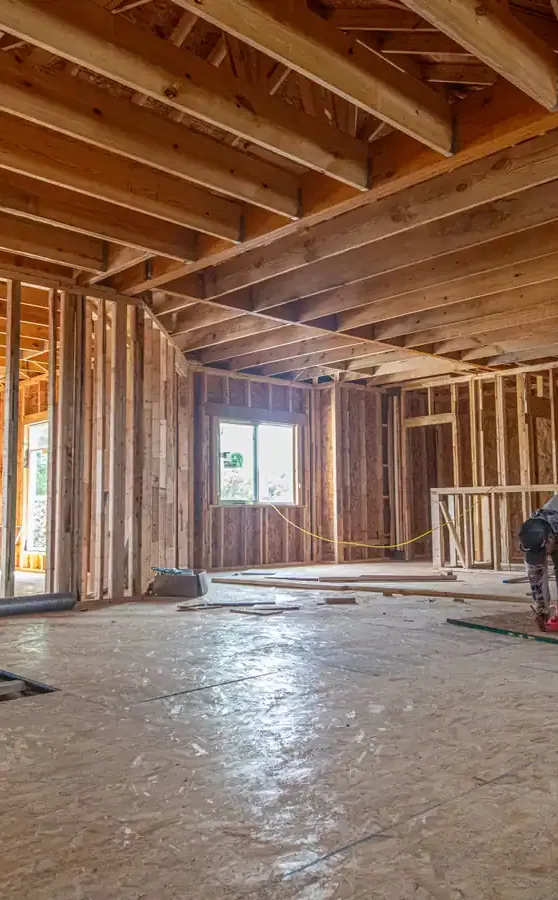
Al Harazat is densely built residential area that grew on old farmland, low rise apartment blocks and popular housing line very narrow streets. The location on the Old Makkah Road means constant heavy traffic, and diesel soot and cement dust from the traffic route. Cleaning here meets very narrow shared passages, and closely spaced flats where dust migrates easily from one unit to the next.
Shared passages are impossibly narrow and do not suit large equipment, and flats are packed so close together that dust seeps easily from one flat to the next through adjacent windows. Moving heavy gear inside is the only option, which takes twice as long as in villas. For the method itself, see what post-construction cleaning involves.
Streets and passages are too narrow for heavy equipment or large boxes. Equipment enters the flat through the door directly in small pieces, or must use lightweight portable gear. This means more handling and slower work than villa cleaning. Access for people is tight, access for machines is impossible.
Constant heavy trucks on Old Makkah Road raise diesel soot that reaches flats directly. Oily particles cling to glass and paintwork and mix with cement dust. Strong suction and warm water are essential to break down greasy sediment and restore surfaces.
Flats are packed very tightly and windows are side by side, so dust travels from an adjoining flat into the one you are cleaning. If the neighbouring flat is still under construction, dust comes straight through. Partial sealing of windows during work is essential to slow the migration.
Densely built residential expansion on old farmland close to the Old Makkah Road, low rise apartment blocks and popular housing on very narrow streets, served by mosques, health centres and daily markets. The area grew unplanned and streets were never widened for modern vehicles.
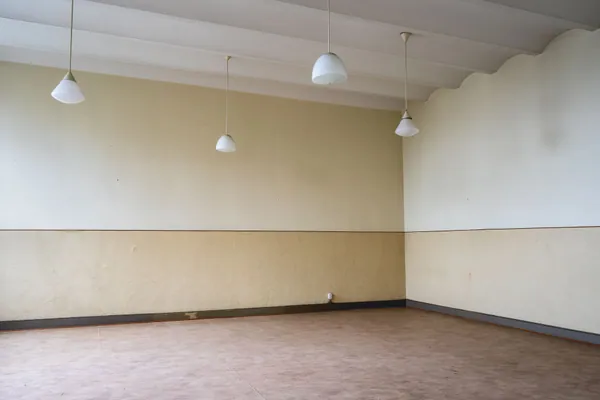
Dust may be mixed with paint spatter and traffic soot from Old Makkah Road, so we start with strong suction especially on windows facing the road and high sills where soot collects.
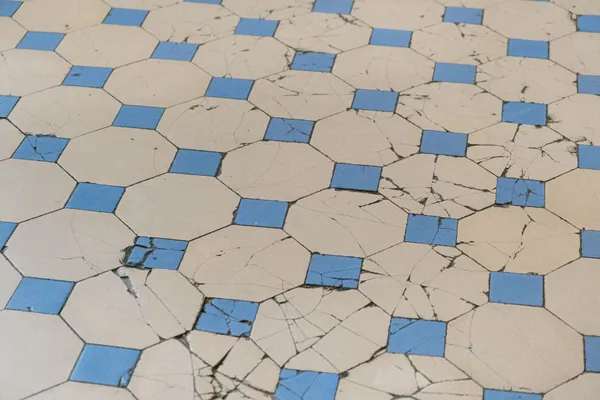
Cement and plaster remains may be mixed with diesel soot and salt, so we use warm water and careful scraping on non-delicate surfaces, treating fresh paint gently to avoid staining.

Glass and ceramic may have a layer of salt and soot, so we wash with warm water and rinse thoroughly to remove all sediment that would cling and return quickly.
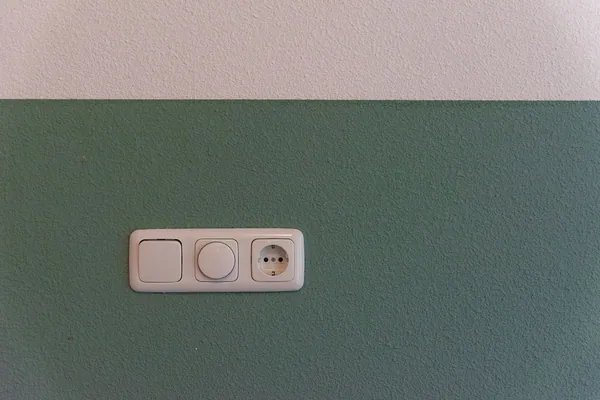
Paint spatter on glass and frames is removed carefully because glass may be sensitive and the space is very tight and needs precision to avoid damage.
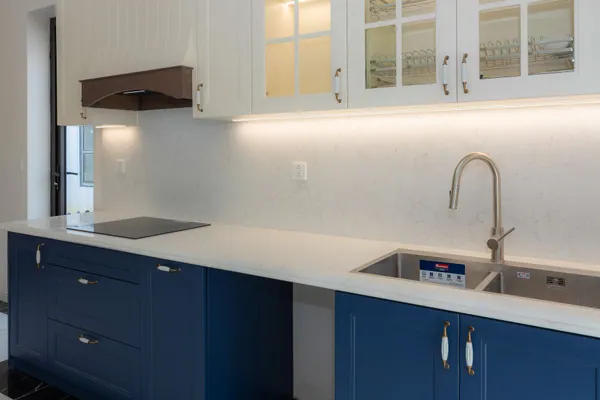
Stickers and adhesive marks on surfaces need gentle removal because new paint is fresh and the tight spaces need care to avoid stripping any finishes.
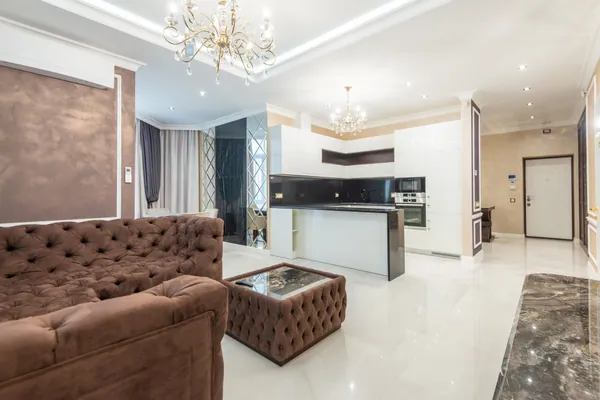
Ceramic floors are washed thoroughly to remove soot and salt deposits, then rinsed with clean water and left to dry completely before windows are opened to the road.
We start at the ceiling, vents and the tops of everything, then work down.
The fine powder is vacuumed and dry-collected first.
Windows, mirrors and the sliding tracks are cleared of grit and sticker residue before the wet stage, so nothing muddy is dragged across them later.
Grout haze, paint spots and adhesive are worked off tile, stone and fixtures with the method each surface can take, tested before we commit to it.
Every closed space is opened and cleared, because that is where settled dust hides until you reach for a plate months later.
Floors are washed only after all the dust above has come down, then we walk the home with you and anything you point to is redone before we leave.
This is not a heavier version of a normal clean.
The company runs a large crew and we send a team, not a single cleaner.
The vacuums and materials come with the team, not rented on the day.
If a paint spot or cured cement mark cannot come off without risking the surface, we tell you at the inspection rather than damaging it to look busy.
Photographs from real jobs carried out by the crew.












The commitment is simple enough to actually keep: we do not leave before you have walked the home and told us what you think.
Apartment district: residential blocks, repeated floors and shared entrances
Tight flats and narrow passages and densely packed units mean equipment is limited and time is longer. The heavy traffic road location means dust returns fast and keeps returning. Cleaning is not final until the flat is sealed completely and ventilation begins on your terms, not the road's.
We provide these in Al Harazat too, and more than one can share a single visit.



