
The length and how many decks
A small day boat is not a multi-cabin cruiser. We ask about the size and layout, because that is what the surface area, and the work, actually tracks.
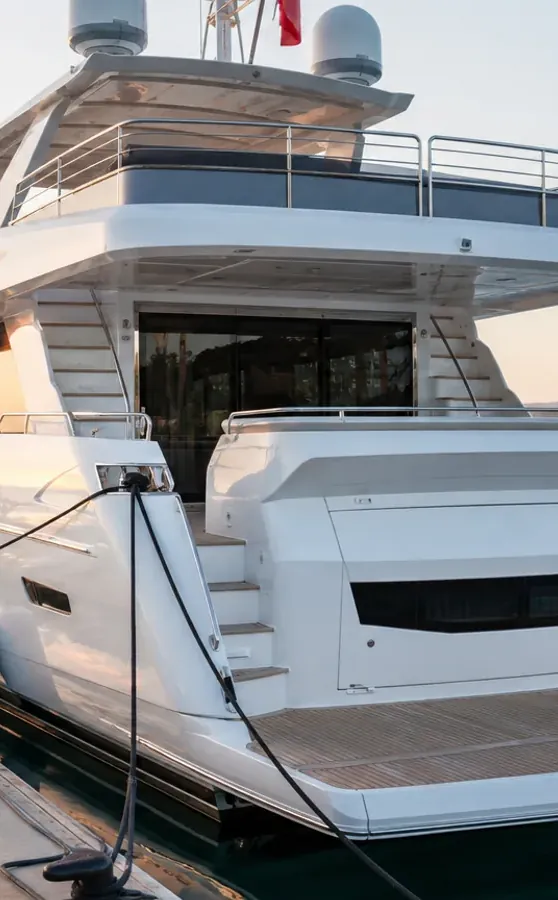
Salt works on a yacht whether you take it out or not. Sea air leaves a film on every exterior surface, and it dries into a haze that dulls the fiberglass, spots the glass and, left long enough, works into the fittings. Below deck, closed cabins hold humidity and the smell that comes with it. This is the cleaning that keeps a yacht ready to take out, not just tied up.
The dull finish is the last sign, not the first. If one of these fits you, the time has come.
Sea air dries salt onto the surface as a fine film. It reads as a loss of shine before it is a visible layer, and a plain-water rinse does not lift it.
Spray dries and leaves mineral marks on the windows and windshields. They build up in layers and get harder to clear the longer they sit.
Cabins shut between trips trap humidity. That heavy smell when you open the hatch is still, moist air, and it settles into the soft furnishings.
Non-slip decks catch salt, dust and sunscreen. They turn grey and rough underfoot, and a rinse alone leaves the grime down in the texture.
Warm, humid, closed spaces spot black in the corners, along the seals and behind cushions. It spreads while the boat sits unused.
If you cannot recall the last proper clean, the salt has had time to set. A yacht that carries guests earns a reset before each outing.
The second list is the one that prevents disputes, it is usually in small print, or not written at all.
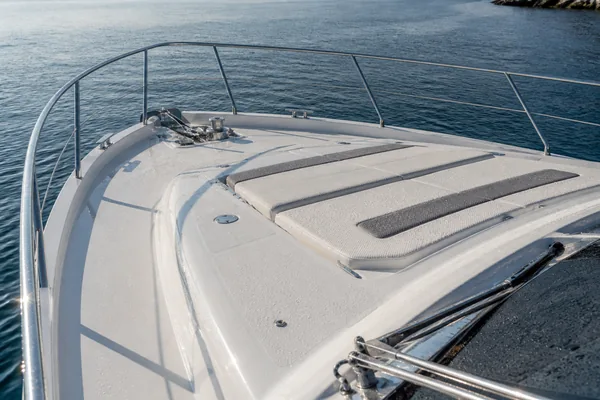
Rinsed with fresh water, which actually lifts the salt off rather than putting it back the way seawater does.
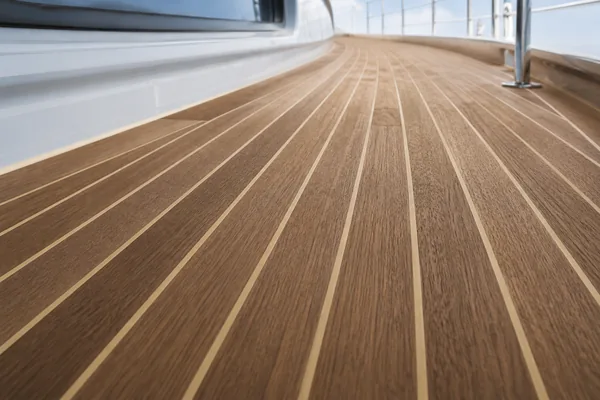
Cleaned along the grain with a product made for teak, not a stiff brush that scores the wood.
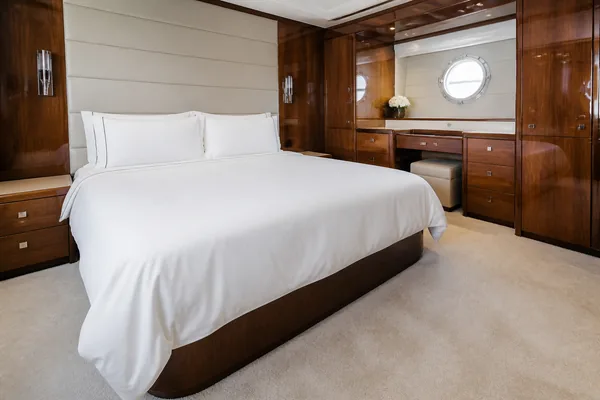
Surfaces, corners and lockers, with the space aired out to bring down the damp that breeds mould.
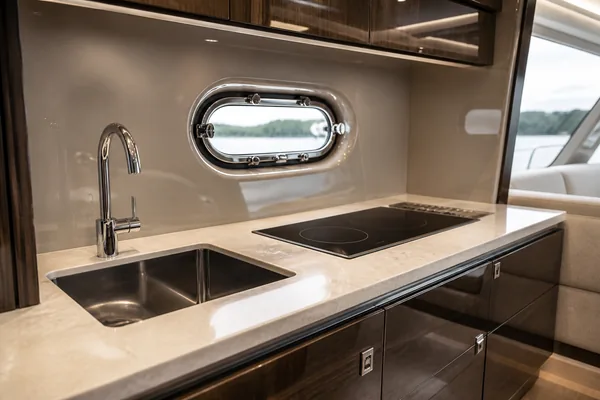
The stove, the sinks and the counters, and the grease that builds up in a space too tight to reach easily.
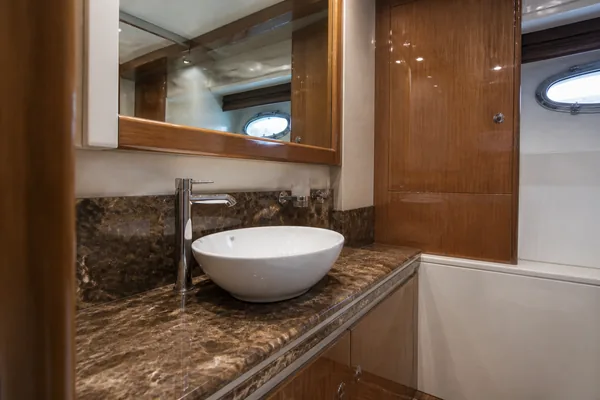
Basin and mirror cleaned, with mineral deposits and the smell that builds in a sealed space cleared.
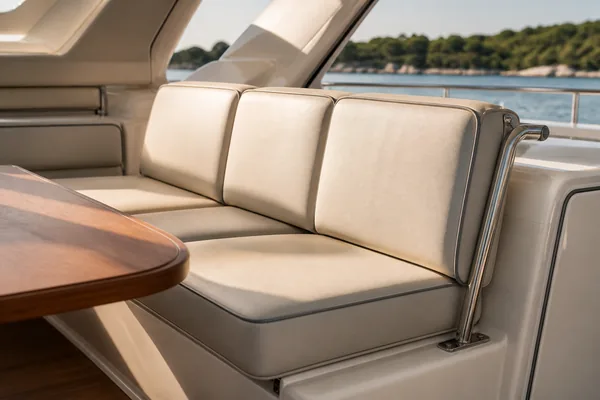
Seats and cushions cleaned by the method their fabric takes, where damp, salt and odour get trapped.
If your case is one of these, we say so at the inspection, not after payment. Marine work has real specialties, and we point you to the right person even when the work is not ours.
The order matters, and salt is the reason. Wiping a surface dry over dried salt drags it and scratches the finish, that is the damage we are most often called to undo.
Before anything is wiped, the whole exterior is rinsed to soften and float off the salt. Working over dry salt is what scratches the fiberglass and glass.
Cabin top, then the sides, then the deck. Grime runs downward with the water, so cleaning low first just means doing it again.
The textured areas worked with a brush to lift salt and sunscreen out of the grip, where a rinse leaves it behind.
Windows and windshields cleaned and dried so the mineral spots do not just reappear as the water evaporates.
Cabins, galley and heads wiped and floors cleaned, with hatches open and air moving to pull the damp smell out rather than seal it in.
We walk the deck and cabins with you before we step off. Whatever you point to is redone in the same visit.
We do not publish a fixed figure, because cases genuinely differ. These are the factors we ask about, so you know where your job sits before you call.
A small day boat is not a multi-cabin cruiser. We ask about the size and layout, because that is what the surface area, and the work, actually tracks.
A yacht rinsed after every trip is not one that has sat through a season of salt. The second needs more passes, and we say so before we begin.
A light film wipes off; a hardened haze takes real work. What is on the surfaces decides the time, not the length alone.
Adding the cabins, galley and heads is more than a deck wash. Below-deck work is counted alongside the exterior.
Adding upholstery extraction or carpet cleaning while we are aboard is cheaper than a second trip, because access and setup are counted once.
Send photos of the yacht with its length and layout on WhatsApp, and you get a price and an estimated time before you commit to anything.
A fair question, and a hose does something. Here is the real difference, not the sales pitch.
The work is done at the marina, deck and cabins both. No hauling the boat anywhere, and it is ready to take out when we step off.
The company runs a large workforce, and we send a team rather than one worker. A yacht is finished in one visit instead of stretched across days.
Machines and materials arrive with the team, not rented and not borrowed. No waiting because a machine is at another customer's place.
If what you need is gelcoat polishing or teak work rather than cleaning, we say so. A visit that is not needed costs us more trust than it earns.
Photographs from real jobs carried out by the crew.
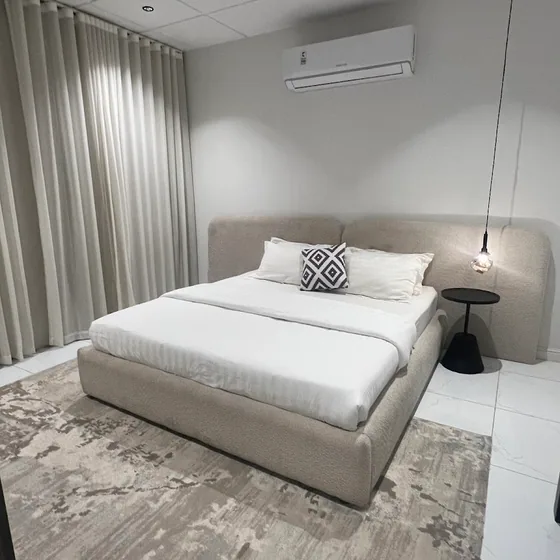

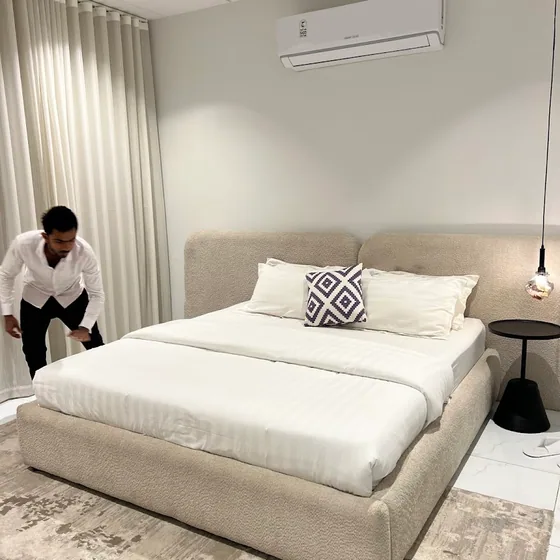
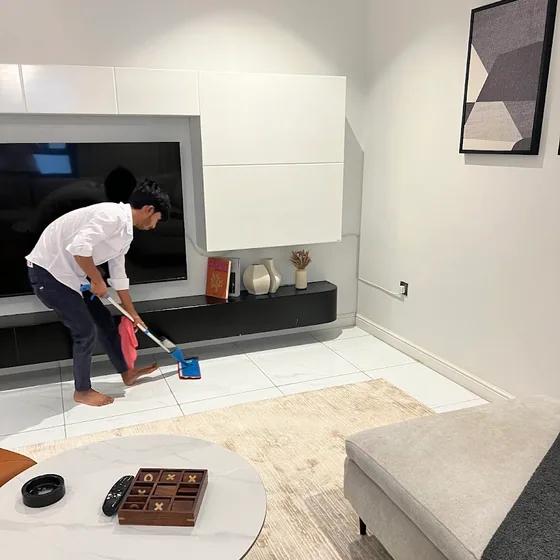
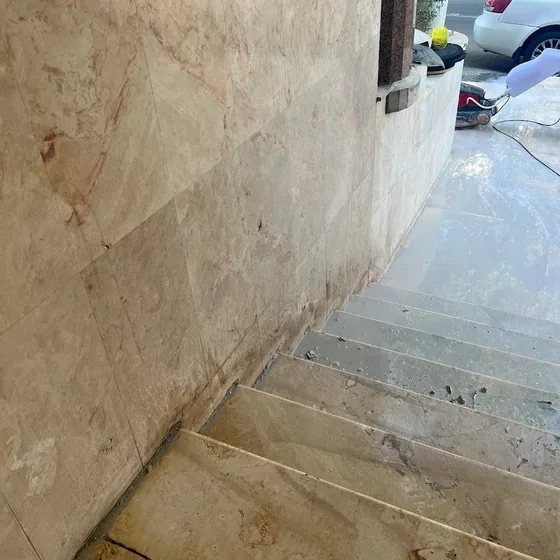
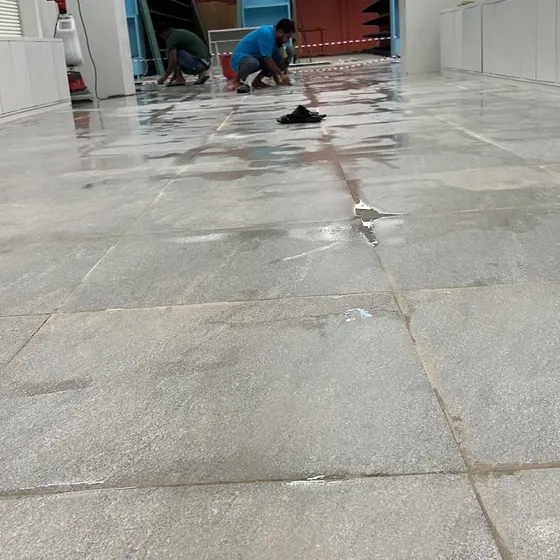
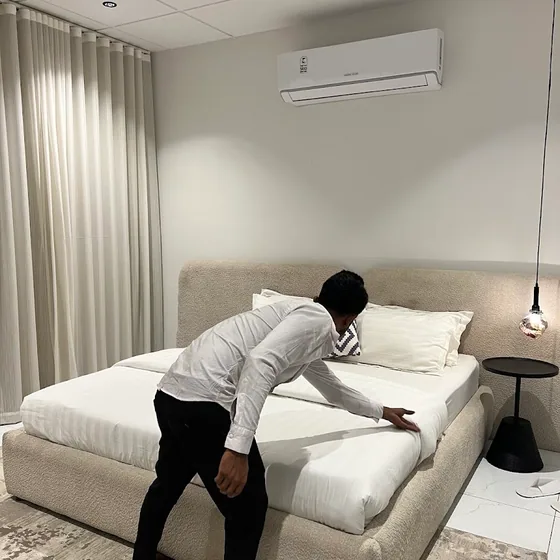
The commitment is simple enough to actually keep: we do not step off before you have seen the result and told us what you think.
We look at the job and agree the figure before any work begins, and nothing is added to it afterwards. If the scope changes during the visit we stop and ask you before carrying on.
At the end of the visit we walk the place with you. Anything you point at is redone in the same visit, not booked for another one, and at no extra cost.
We arrive when we said we would. If that becomes impossible you hear it before the appointment rather than after, because waiting without knowing how long is worse than a delay you were told about.
Everything we offer in this category, in a single visit if you need more than one.




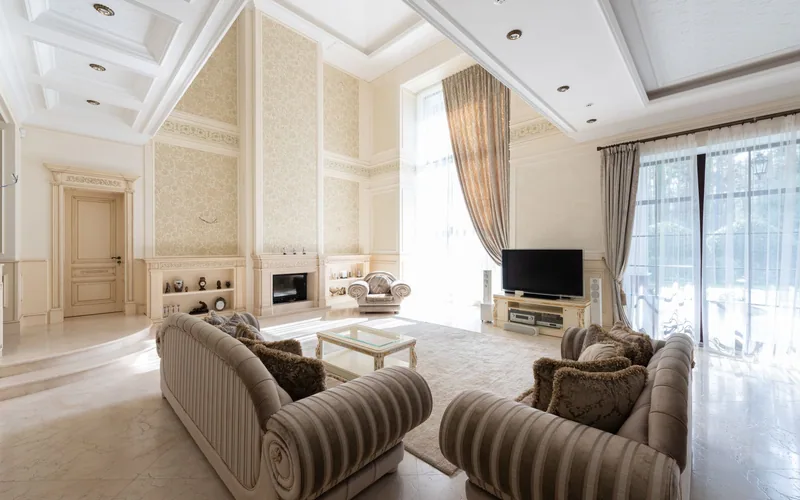


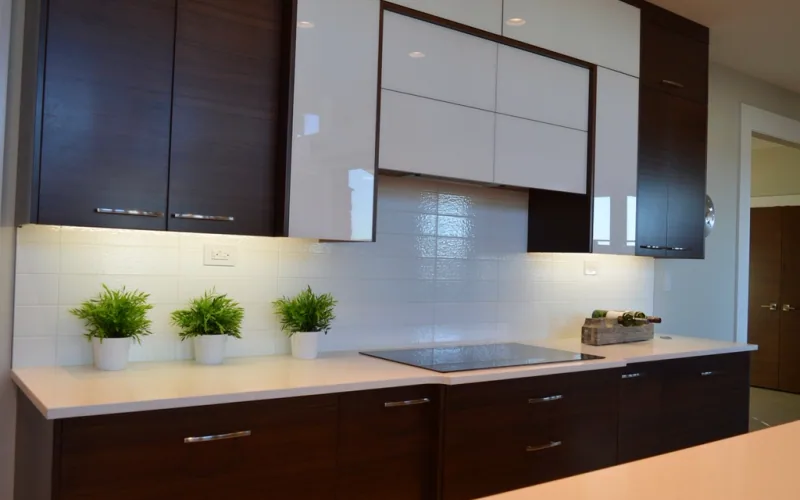
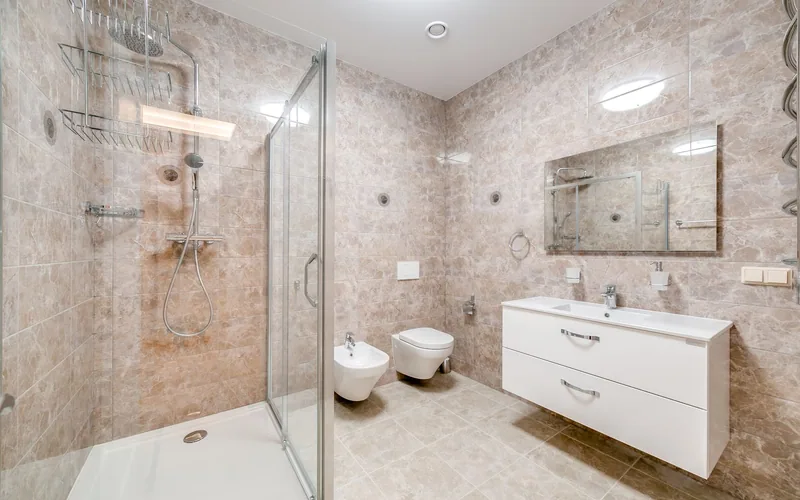







The crew and its equipment travel to you, and the price does not change with the district.
Four steps, and none of them commits you to paying before you have seen the price.
WhatsApp or a call. One photo is usually enough.
In writing, before you commit to anything. You approve it, or we adjust it.
At the agreed time, with everything the job needs.
A walk-through before we leave. The job is not closed until you are satisfied.
Send the length and photos of the yacht, and you get a price and an available time. No work starts before you approve the number.