
We know builder's dust
This is not a heavier version of a normal clean.
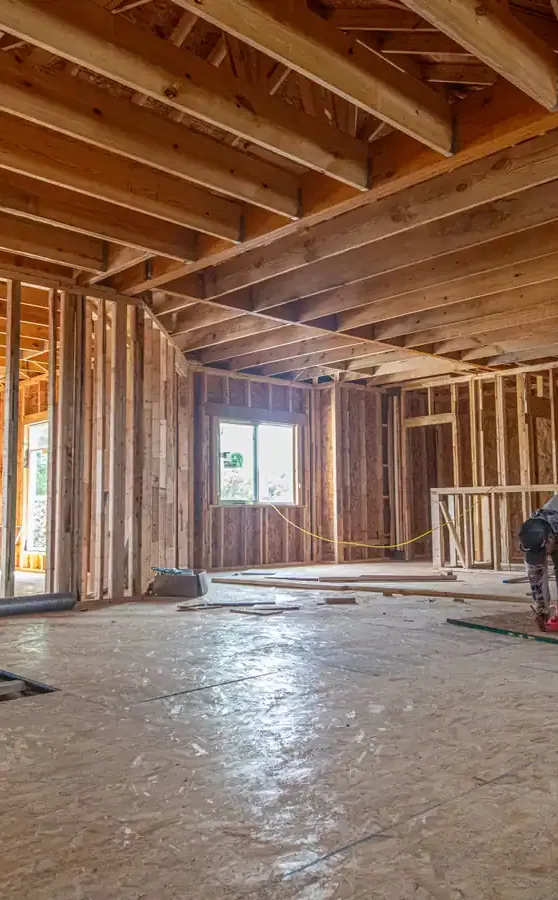
Al Sahel lies on the western edge of south Jeddah on Al Saif Corniche near the port and industrial zone, where homes sit between the sea and the ring roads with heavy trucks passing constantly. The dust here is black and very heavy with diesel soot and workshop grit, clinging to curtains and windows far more than in the north, leaving a strong oily smell in fabrics. High coastal humidity adds mildew in bathrooms and musty odour in stored fabrics that persists even after cleaning.
Net curtains turn black from heavy soot within just a few weeks, and old cement and ceramic floors are difficult to clean because the soot turns to mud when water is applied and resists ordinary wiping. For the method itself, see the full post-construction cleaning page.
Location between the port and truck routes means heavy diesel soot enters constantly on the wind. It clings to curtains, windows and glossy surfaces leaving a black greasy film that needs intensive warm water washing with trace acid to cut through and remove.
Low rise old housing has plain cement floors that hold soot deeply. When water is applied the soot becomes mud that resists ordinary mopping. It requires intensive washing with warm water and trace acid, plus careful scraping to lift the buildup.
High humidity from the sea accelerates mildew in bathrooms and fabrics. Curtains and sofas retain musty smell even after cleaning because humidity speeds mould growth. The smell persists unless ventilation improves after cleaning is done.
A coastal district in south Jeddah between the sea and the middle ring road, where the location between the industrial zone and heavy traffic loads the air with thick diesel soot. High humidity from the sea means rapid mildew growth in bathrooms and damp smell in all fabrics.
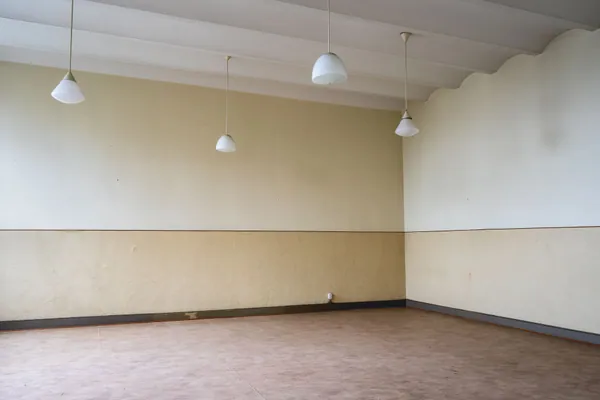
Heavy black soot is suctioned from top to bottom with emphasis on windows and frames where soot concentrates, using warm water rinse after suction to remove oily residue.
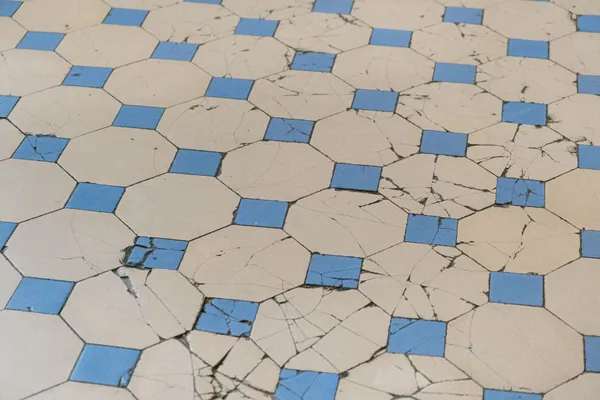
Cement dust is swept carefully before water is applied to avoid mixing with soot on old surfaces, as the combination becomes harder to remove than either alone.

Glass and windows are wiped after soot is removed from sills and frames, with a clean water rinse to prevent any sooty film reappearing as the surface dries.
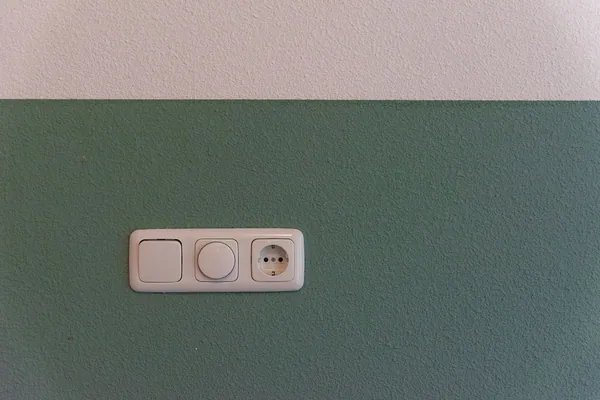
Soot on walls, ceilings and edges is removed with warm water and trace acid using soft cloths and extended washing, with bathrooms requiring concentrated attention to cut through buildup without harming finishes.
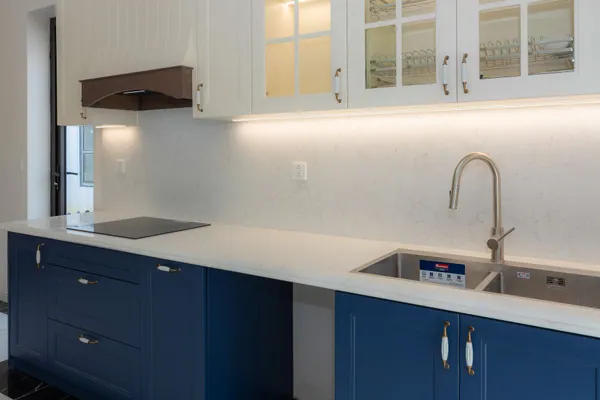
Stickers and adhesive residue are softened with warm moisture and removed carefully without damaging old wall finishes and painted surfaces underneath.
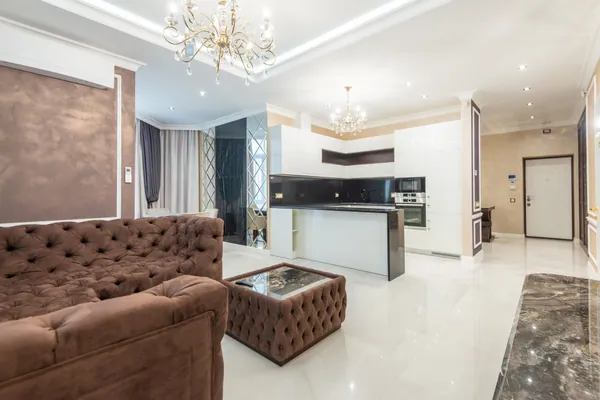
Floors are washed last after all soot has been completely removed, with a final rinse in clean water to ensure no sooty or oily film remains on the surface.
We start at the ceiling, vents and the tops of everything, then work down.
The fine powder is vacuumed and dry-collected first.
Windows, mirrors and the sliding tracks are cleared of grit and sticker residue before the wet stage, so nothing muddy is dragged across them later.
Grout haze, paint spots and adhesive are worked off tile, stone and fixtures with the method each surface can take, tested before we commit to it.
Every closed space is opened and cleared, because that is where settled dust hides until you reach for a plate months later.
Floors are washed only after all the dust above has come down, then we walk the home with you and anything you point to is redone before we leave.
Coastal area: high humidity and salt air through the year
Location between the port and heavy truck routes means dust here is very heavy diesel soot mixed with grease, so we focus intensive washing on kitchen and bathroom walls using warm water with trace acid to cut through deep soot and grease deposits before the final clean rinse.
This is not a heavier version of a normal clean.
The company runs a large crew and we send a team, not a single cleaner.
The vacuums and materials come with the team, not rented on the day.
If a paint spot or cured cement mark cannot come off without risking the surface, we tell you at the inspection rather than damaging it to look busy.
Photographs from real jobs carried out by the crew.












The commitment is simple enough to actually keep: we do not leave before you have walked the home and told us what you think.
South Jeddah runs from the port and the industrial city down towards Al Khumrah, and homes here sit between the sea and the heavy goods roads. The dust is darker and oilier than in the north, a mix of diesel soot and workshop grit, and it clings to net curtains, window sills and the tops of kitchen cupboards. Floors in the older low rise housing are often plain cement or ceramic tile that darkens where soot is walked in. Humidity from the coast adds mildew in bathrooms and a musty smell in stored fabrics.
We provide these in Al Sahel too, and more than one can share a single visit.



