
We know builder's dust
This is not a heavier version of a normal clean.

Al Murjan is a small coastal district on the north corniche west of Jeddah, with low-density villas, apartment buildings and residential compounds facing the water. Salt in the air all year settles on glass and metal before building even finishes, and fine dust mixes with salt, so cleaning needs specialist products and a different sequence to separate them.
Salt deposits on glass and metal frames quickly in Al Murjan, and a white haze on windows appears within a week of completion. For the method itself, see our post-construction cleaning service in detail.
Salt clouds the glass and bonds to metal door and window frames and outdoor furniture. Construction dust mixes with salt on surfaces, so removing it requires first separating salt from building dust, not just sweeping both together.
Constant humidity makes salt deposit faster because it dissolves in damp air then settles sooner than in dry districts. Dry building debris absorbs moisture and sets harder.
Outdoor curtains and cushions on terraces absorb both salt and damp, becoming heavy and holding a musty smell even after the first clean.
The district sits directly on the corniche where Al Murjan Street and King Abdulaziz Road meet the sea, humidity is very high and salt is in the air year round.
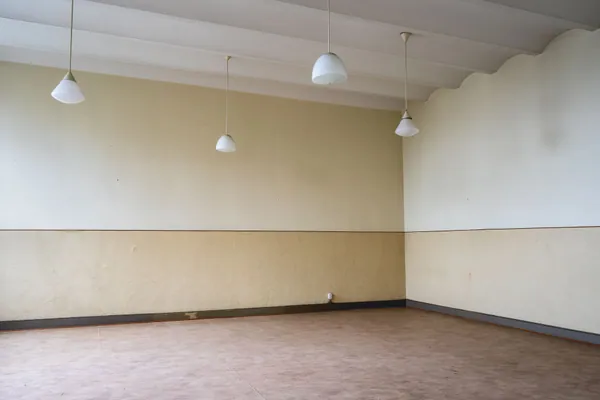
Salt and dust together on upper surfaces need a specialist cleaner, so we start from the highest points and remove salt first before tackling dust.
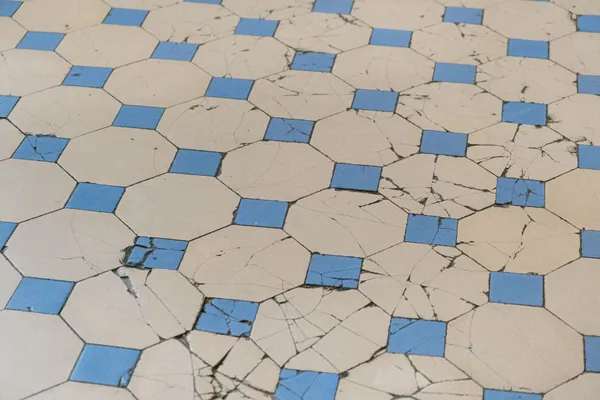
Cement residue on floors absorbs salt and moisture, needing strong washing and repeated rinsing.

Windows and metal frames need specialist cleaner that does not spread salt from one spot to another.
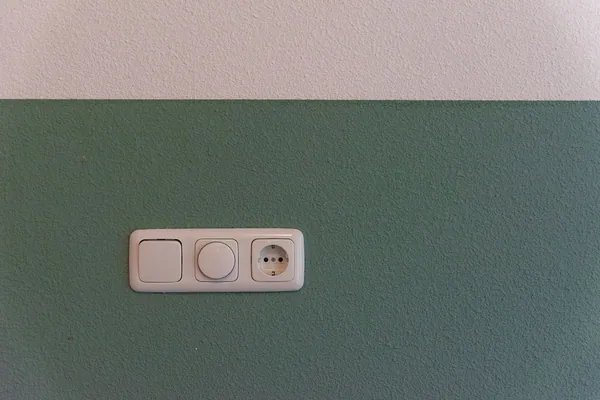
Paint spatter on ceramic and porcelain mixes with salt spray, so we focus on edges and corners where both accumulate.
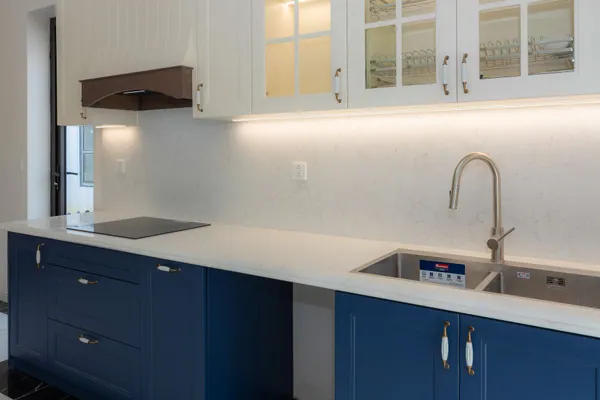
Labels and adhesive on doors and walls become very difficult if moisture has penetrated, requiring safe specialist solvents only.
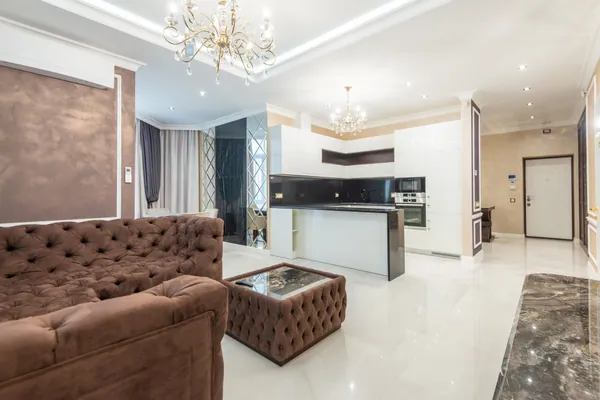
Floors need repeated final rinsing to clear trace salt that leaves tile looking dull.
We start at the ceiling, vents and the tops of everything, then work down.
The fine powder is vacuumed and dry-collected first.
Windows, mirrors and the sliding tracks are cleared of grit and sticker residue before the wet stage, so nothing muddy is dragged across them later.
Grout haze, paint spots and adhesive are worked off tile, stone and fixtures with the method each surface can take, tested before we commit to it.
Every closed space is opened and cleared, because that is where settled dust hides until you reach for a plate months later.
Floors are washed only after all the dust above has come down, then we walk the home with you and anything you point to is redone before we leave.
This is not a heavier version of a normal clean.
The company runs a large crew and we send a team, not a single cleaner.
The vacuums and materials come with the team, not rented on the day.
If a paint spot or cured cement mark cannot come off without risking the surface, we tell you at the inspection rather than damaging it to look busy.
Photographs from real jobs carried out by the crew.












The commitment is simple enough to actually keep: we do not leave before you have walked the home and told us what you think.
West Jeddah faces the sea along the Corniche, and the flats and towers along it live with salt in the air all year. Salt settles on glass as a haze that plain water spreads rather than removes, and it works into balcony railings, outdoor fabric and the metal of window frames. Indoors, humidity keeps carpets and curtains slightly damp, so they hold odours and dust longer than in drier districts, and bathroom grout and shower glass show scale quickly. Wooden floors and doors swell a little in the wetter months.
We provide these in Al Murjan too, and more than one can share a single visit.



