
We know builder's dust
This is not a heavier version of a normal clean.
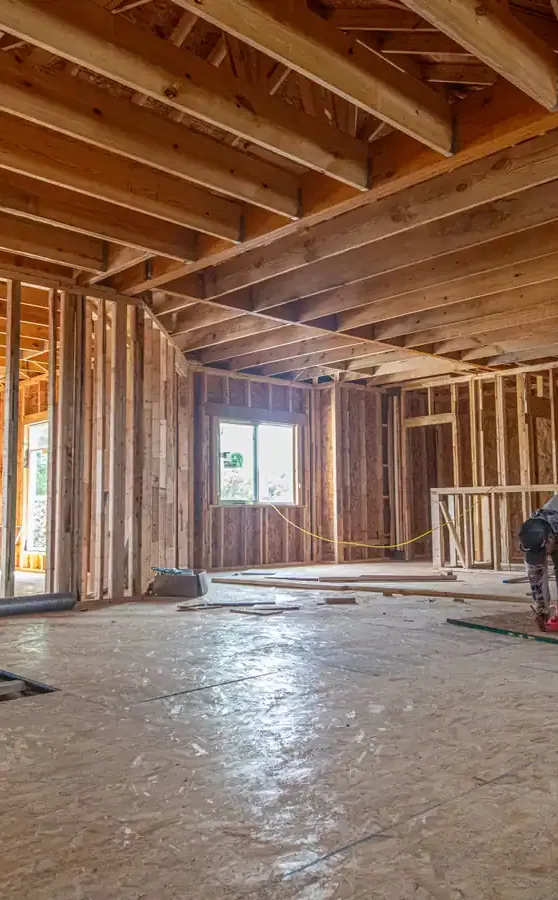
Al Worood is a residential district between King Fahd Road and Prince Majid Road, built on the site of the old airport. This location carries a history of movement and exposed earth, and land that was open to the air for decades. Construction dust in Al Worood may be heavier than elsewhere in Jeddah because the foundations were dug deeply into the ground. Post-construction cleaning here needs repeated rinsing to remove sand and fine earth remaining from the excavations, because these particles are finer and stickier than ordinary building dust.
Floors here hold more sand and earth residue than other districts, and excavation history leaves traces on foundation surfaces and in drainage channels. For the method itself, see what post-construction cleaning involves.
The old airport means foundations were dug deep and built solid. This leaves particles of sand and extremely fine earth in the air. This sand settles on surfaces far more strongly than ordinary cement dust and is harder to rinse away completely.
Sand and earth from the excavations need forceful and thorough water rinsing. Dry wiping alone is nowhere near enough, and rinsing must be repeated more times than in other districts to achieve a clean surface.
Ceramic and marble in Al Worood holds fine sand particles that are invisible in ordinary light. These grains scratch polished floors if they are mopped rather than swept first, and the final rinse must be complete to leave no hidden grit.
Al Worood sits on the old airport site between King Fahd Road and Prince Majid Road, a straightforward residential area bordering Al Naseem to the east and Bani Malik to the north.
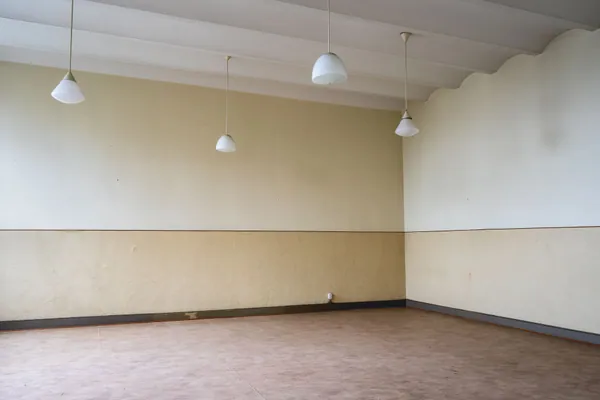
Top-to-bottom suction in Al Worood needs greater power because construction dust is mixed with sand and earth from excavation work.
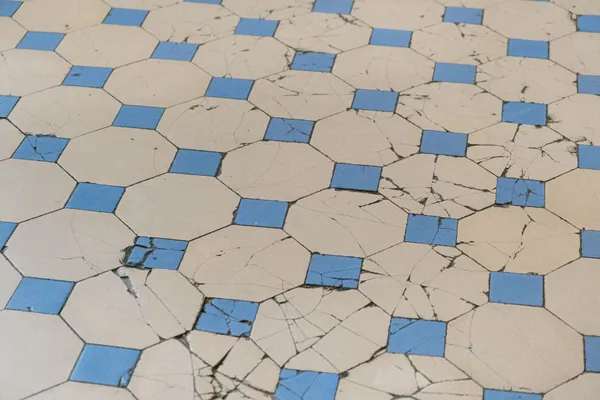
Cement and plaster bits mix with fine sand, and scraping is followed by forceful rinsing with fresh water to clear all sand particles.

Glass may hold invisible fine sand, and forceful water rinsing is essential with rapid drying to prevent stains from mineral deposits.
Paint spatter on surfaces is scraped then rinsed with forceful water to remove any remaining sand trapped beneath.
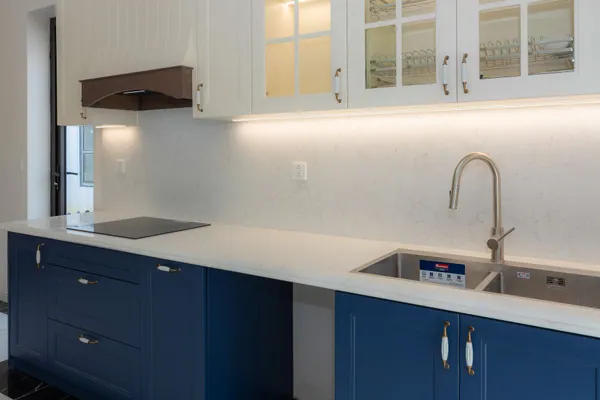
Stickers and adhesive may hold sand particles underneath, and removal must be complete with a thorough final rinse.
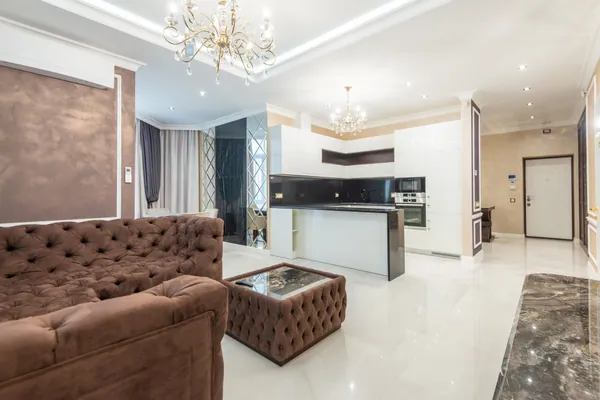
Floors are swept first with vigour to remove loose sand, then washed with forceful water and given a long final rinse.
We start at the ceiling, vents and the tops of everything, then work down.
The fine powder is vacuumed and dry-collected first.
Windows, mirrors and the sliding tracks are cleared of grit and sticker residue before the wet stage, so nothing muddy is dragged across them later.
Grout haze, paint spots and adhesive are worked off tile, stone and fixtures with the method each surface can take, tested before we commit to it.
Every closed space is opened and cleared, because that is where settled dust hides until you reach for a plate months later.
Floors are washed only after all the dust above has come down, then we walk the home with you and anything you point to is redone before we leave.
This is not a heavier version of a normal clean.
The company runs a large crew and we send a team, not a single cleaner.
The vacuums and materials come with the team, not rented on the day.
If a paint spot or cured cement mark cannot come off without risking the surface, we tell you at the inspection rather than damaging it to look busy.
Photographs from real jobs carried out by the crew.












The commitment is simple enough to actually keep: we do not leave before you have walked the home and told us what you think.
Work in Al Worood is organised through King Fahd Road and Prince Majid Road access points, and cleaning villas and apartments requires knowledge of district layout and main entrances to reach homes efficiently and deploy teams effectively.
We provide these in Al Worood too, and more than one can share a single visit.



