
The area of the garden
A small courtyard and a villa garden are different amounts of ground to cover. Area is the first thing we ask about, with a photo or two to see the state of it.
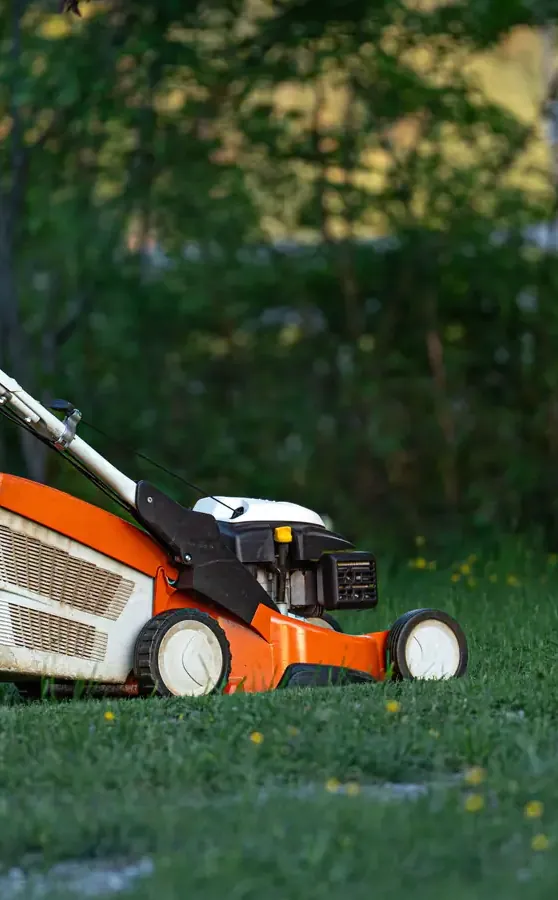
A garden doesn't get messy overnight. Leaves drop, weeds creep between the pavers, a corner becomes where the dead branches pile up, and dust settles over the tiles until the whole space feels neglected. Clearing it is heavy, dusty work, and then there's the question of where all the waste goes. That's the job this is.
It creeps up slowly, so it's easy to keep putting off. If one of these fits, it's time.
Weeds have pushed up between the pavers and taken over the beds. Left longer, the roots dig in deeper and pulling them cleanly gets harder.
Fallen leaves, twigs and blown-in litter gather in the corners and along the walls. Damp underneath, they start to rot and stain whatever they sit on.
The hardscape has faded under a layer of dust and grime, or gone slick and dark in the shaded, damp spots. A hose alone doesn't lift it.
Shrubs and growth have spread over the walkways or against the walls. It needs cutting back and clearing, not just a trim for looks.
Piled green waste and overgrowth left damp is where insects settle in. Clearing it removes the shelter before it becomes a bigger problem.
You've cut things back before but the green waste is still sitting there. Clearing a garden and having no way to haul the waste away is where most attempts stall.
The second list is the one that prevents disputes, it is usually in small print, or not written at all.

Dry leaves, prunings, and litter picked up off the ground, out of the corners, and from around the plants.
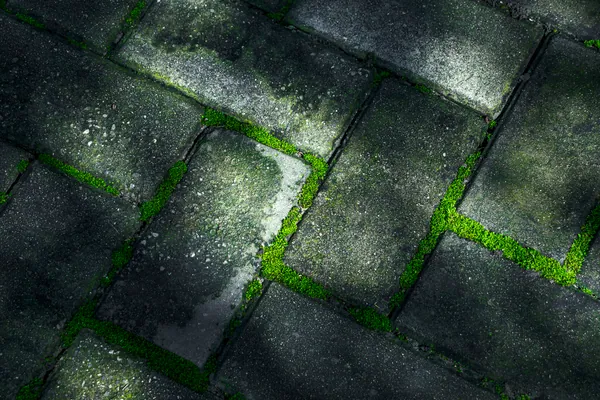
Growth in the joints between pavers and along the path edges is pulled out by the root wherever possible.
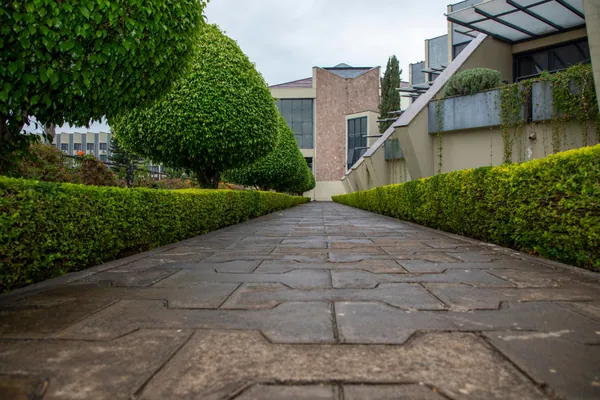
Walkways and hard flooring are swept and washed down to take off the sand, dust, and dried mud.
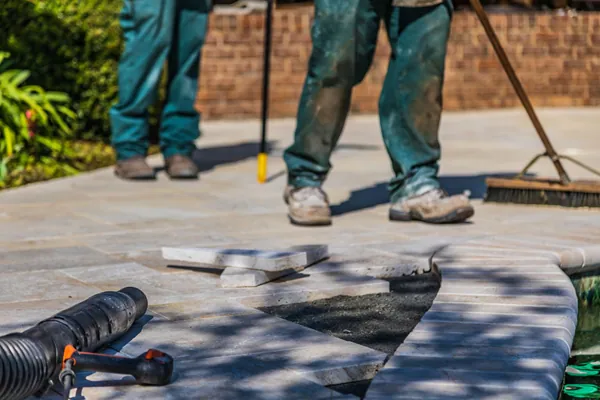
The floor of the patio and terrace is washed, including the ground-in dirt and the stains that have set.
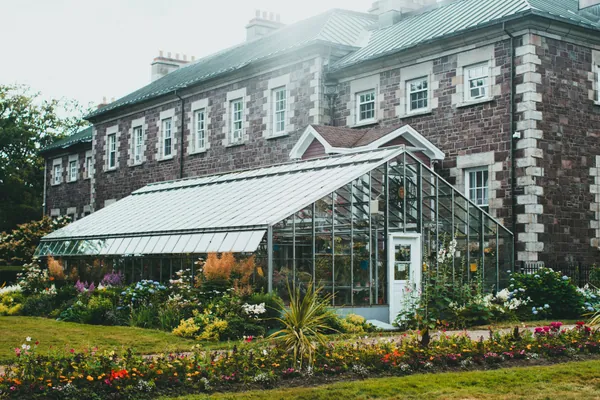
The bed edges and the paving beside them are washed down, because that is where mud collects.
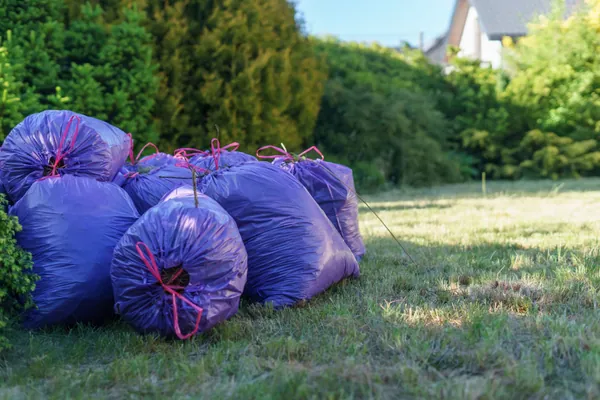
Everything cleared is bagged and carried to the collection point, so nothing is left stacked in a corner of the garden.
If your garden needs any of these, we say so when we look at it, not after payment. For what we don't do, we'll usually point you to who does, even when the job isn't ours.
The order saves double work. Wash the paving before you clear the beds and you'll wash it twice. Dry clearing first, wet work last.
We go through it with you first, what's cleared, what's cut back, what stays. Nothing living is removed without you saying so, and you know the scope before we start.
Leaves, twigs and litter across the whole space come first, while everything's dry. Clearing the surface before wetting anything keeps it from turning to sludge underfoot.
Weeds pulled from the beds and the gaps between pavers, roots lifted where they'll come, so the clearing lasts more than a week.
Growth crowding the paths, walls and fences is cut back to what you agreed and cleared to the waste pile as we go.
With the debris gone, the paving and tiles are swept and washed, the dust film and the dark damp grime in the shaded spots, last so nothing lands back on clean stone.
All the green waste is bagged and taken with us. Then we walk the garden with you, and anything you point out is put right in the same visit.
We do not publish a fixed figure, because cases genuinely differ. These are the factors we ask about, so you know where your job sits before you call.
A small courtyard and a villa garden are different amounts of ground to cover. Area is the first thing we ask about, with a photo or two to see the state of it.
A garden kept up every so often isn't one left for a season or more. The neglected one is heavier clearing and deeper-rooted weeds, and we say so before starting.
Hauling and disposing of green waste is a real part of the job. A garden that's been let go produces a lot of it, and that's counted in, not sprung on you after.
Clearing the beds is one thing; washing paving and tiles back to colour is added work. We'll ask whether you want it, so the price matches what you actually need.
A narrow gate, stairs, or an upper terrace makes carrying tools in and waste out slower. Easy ground-level access is quicker, and the price follows that.
Send a few photos of the garden and a rough idea of the area on WhatsApp. You'll get a price and an estimated duration before you commit to anything.
A fair question, anyone can pull a weed. The hard parts are the heat, the volume, and the waste. Here's the real difference.
The clearing is half the job; getting the waste off your property is the other half. We do both, so you're not left with a pile where the mess used to be.
We send a team, not one person, so a garden that would eat your whole weekend is cleared in a single visit.
The tools for clearing, cutting back and washing arrive with the team, no hiring, no waiting on gear that's somewhere else.
This is cleaning, not landscaping. Nothing living comes out without you saying so, and if the garden really needs pruning or design, we'll tell you that's a different job.
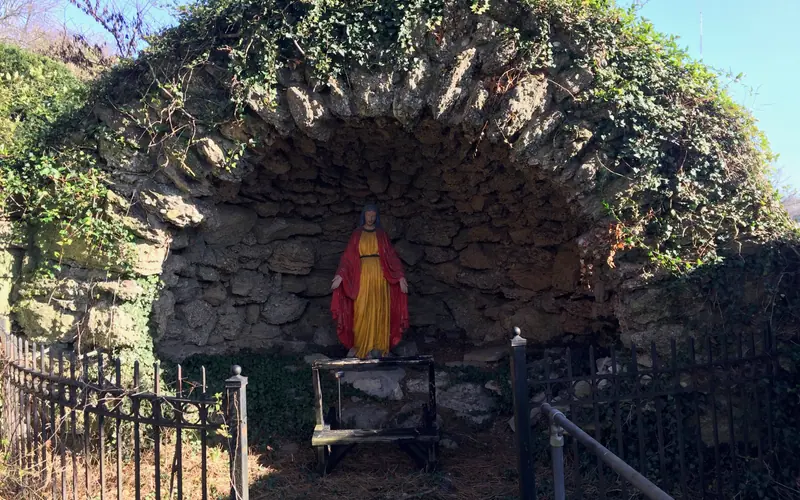
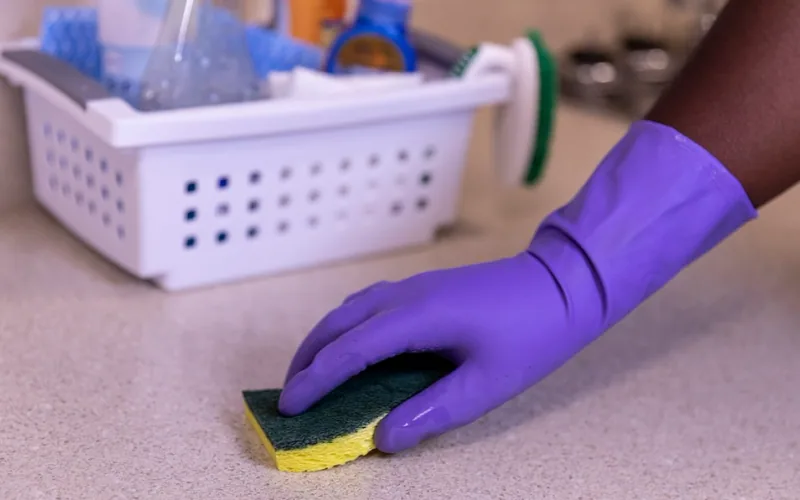
Photographs from real jobs carried out by the crew.
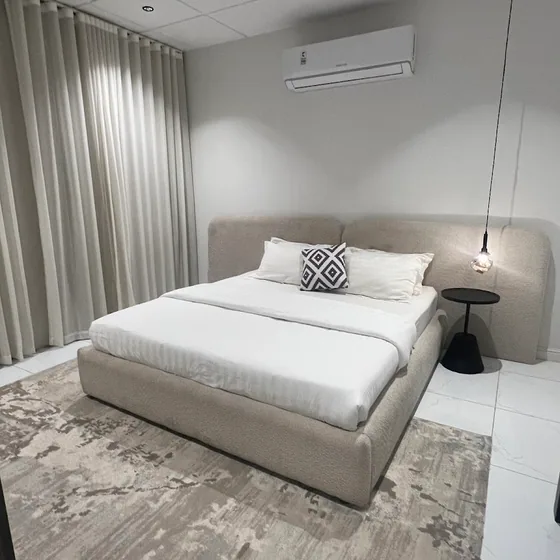

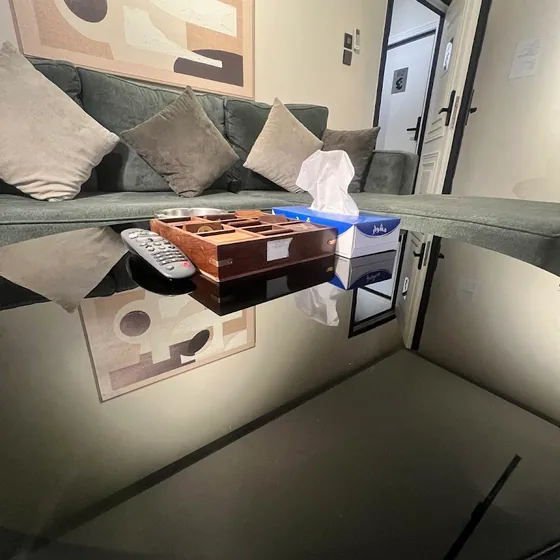
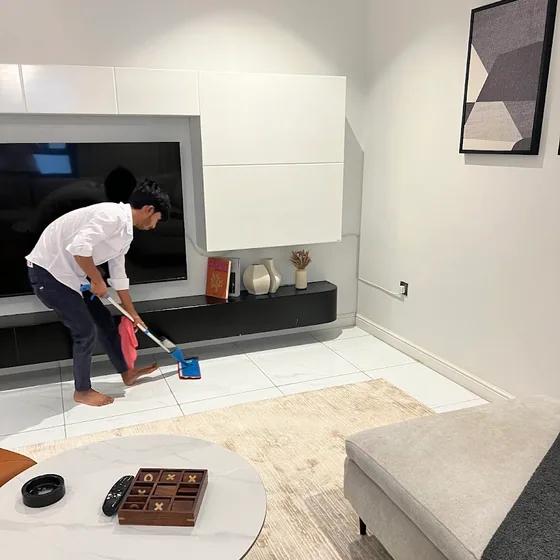
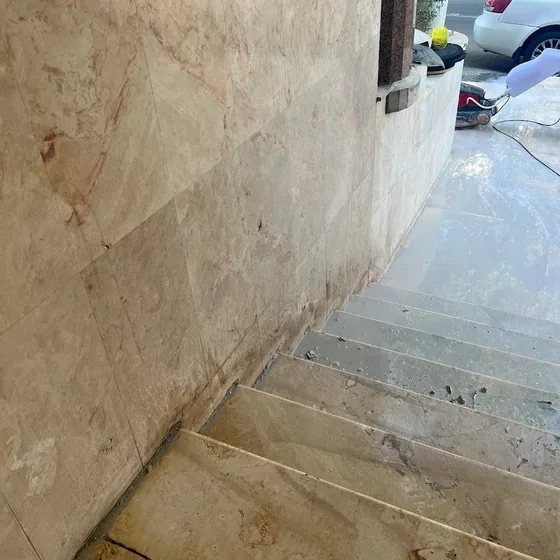
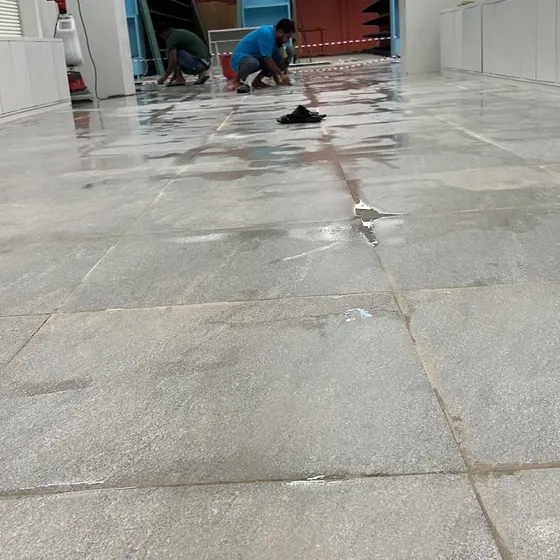
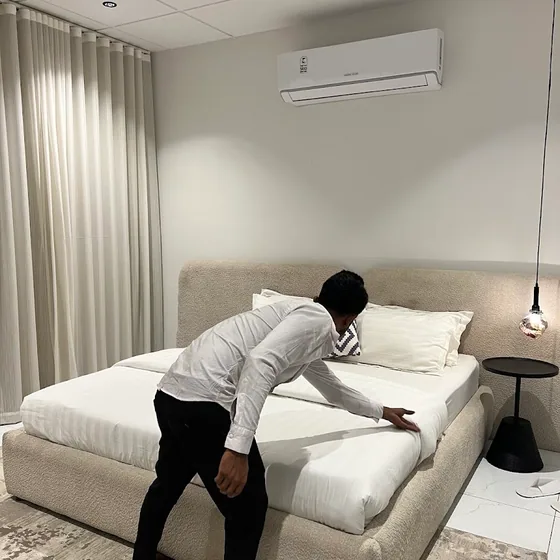
The commitment is simple enough to actually keep: we don't leave until you've walked the garden and told us what you think.
We look at the job and agree the figure before any work begins, and nothing is added to it afterwards. If the scope changes during the visit we stop and ask you before carrying on.
At the end of the visit we walk the place with you. Anything you point at is redone in the same visit, not booked for another one, and at no extra cost.
We arrive when we said we would. If that becomes impossible you hear it before the appointment rather than after, because waiting without knowing how long is worse than a delay you were told about.
Everything we offer in this category, in a single visit if you need more than one.



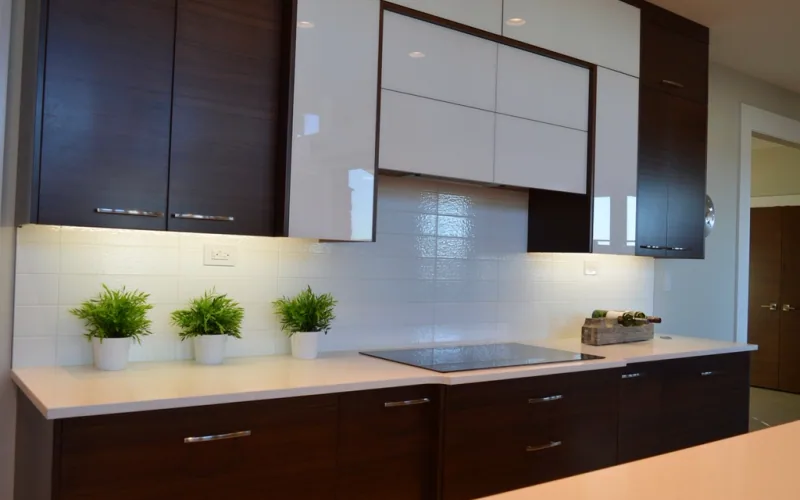
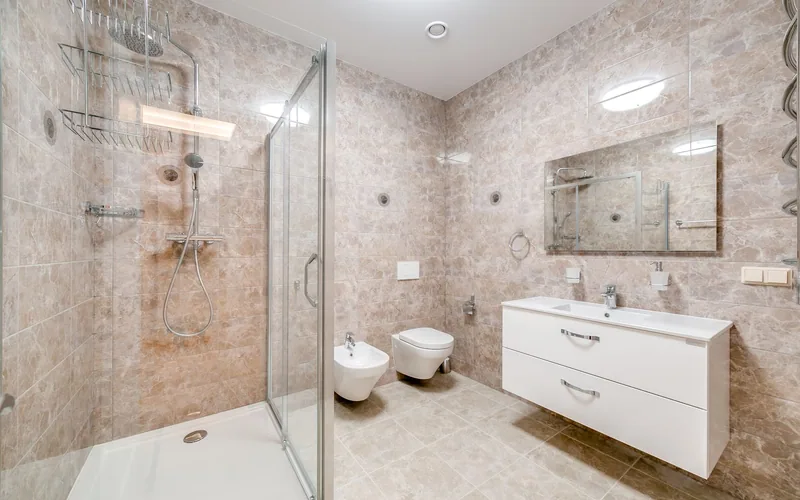


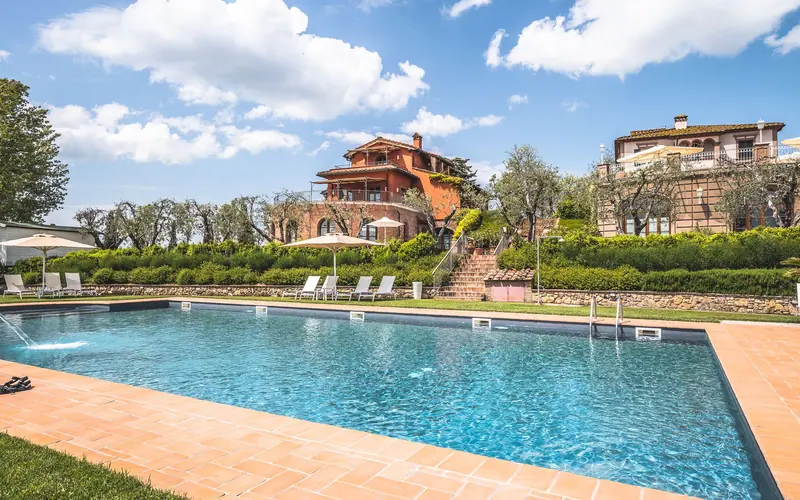
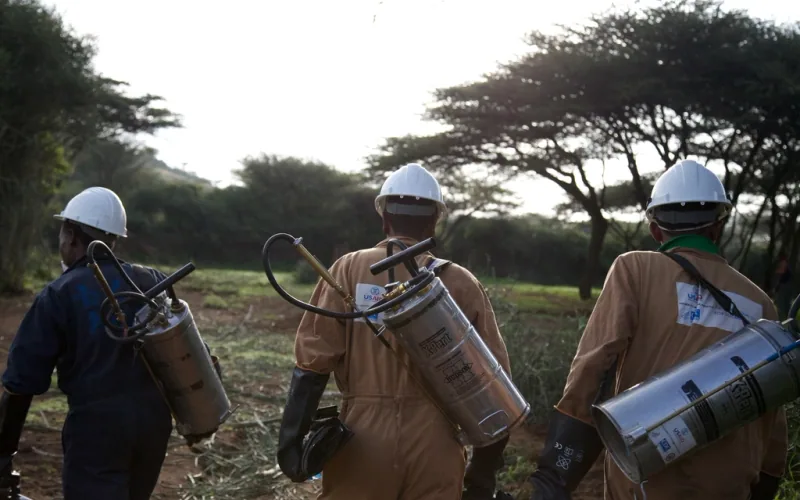



The crew and its equipment travel to you, and the price does not change with the district.
Four steps, and none of them commits you to paying before you have seen the price.
WhatsApp or a call. One photo is usually enough.
In writing, before you commit to anything. You approve it, or we adjust it.
At the agreed time, with everything the job needs.
A walk-through before we leave. The job is not closed until you are satisfied.
Send a few photos of the garden and a rough idea of the size. You'll get a price and an available slot back. The team doesn't start until you've approved the number.