
We test before we clean
Testing the solution on a hidden fold is a step we treat as necessary, not optional.
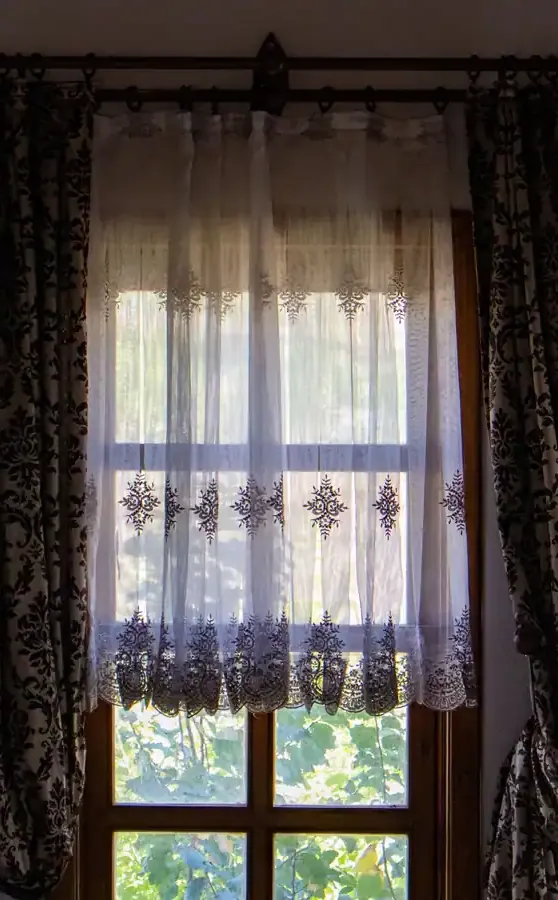
Al Baghdadiyah West sits close to the Arbaeen Lagoon and Al Hamra Corniche where salt-laden sea air and constant humidity coat every fabric window all through the year. The moisture makes dust adhere deeper into the weave than it does inland, and salt particles from the sea air work their way into the fibres where a simple shake or regular vacuum cannot reach them. Curtains here age faster and show salt deposits and stiffness that inland areas never develop.
Curtains here need cleaning more frequently than anywhere else in Jeddah because salt and humidity together accelerate colour fading and fibre breakdown in ways the air inland simply does not replicate. For the method itself, see our guide to curtain cleaning.
Sea air does not just leave dust on the surface, it carries fine salt particles that mix with moisture and seep into the fibres themselves. This weakens the threads from the inside and causes colours to run much faster here than in inland districts. A wash that works for other areas will not touch salt deposits that have already gone through the weave.
The window opened constantly to sea air leaves its mark on the bottom edge and sides of the curtain in particular, where salt and sediment accumulate into visible white lines. These are not stains that disappear under water, but deposits that need gentle acidic treatment to dissolve, and old salt marks can leave a faint discolouration that deep cleaning cannot entirely erase.
The damp air on the coast means curtains dry very slowly after cleaning, and anything that dries slowly in high humidity is prone to mould smell and mildew growth. A standard air-dry that works in the city centre will leave a damp curtain hanging here for far longer, so active drying and strong ventilation become part of the method rather than optional extras.
The district occupies low, flat coastal ground open to the Gulf, where salt from sea air and year-round moisture settle on every textile and metal surface exposed to the outside.
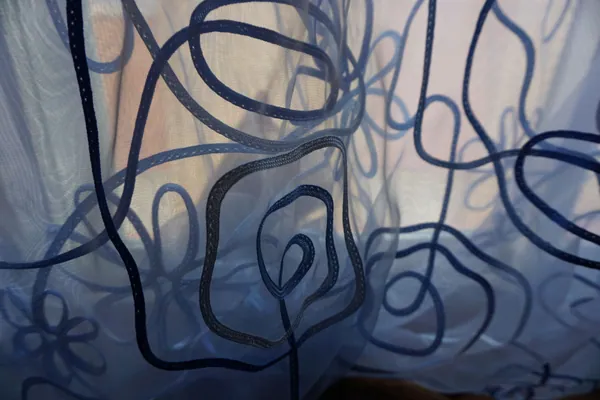
Sheer and lightweight fabrics here are most affected by salt and moisture, while heavier or treated fabrics offer better protection but need care during washing to avoid water spotting.
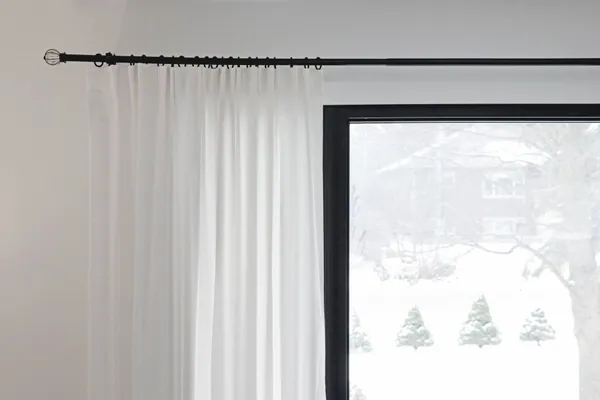
Taking down must be very careful on fixtures and hardware because salt deposits on metal cause rust and weaken mounts, so even old or corroded brackets can snap.
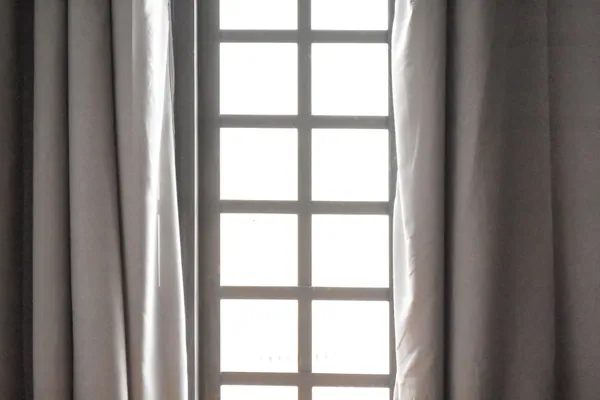
Dry vacuum and shake-out are vital here before any water touch the fabric, because water can dissolve salt back into the fibres rather than removing it permanently.
Salt stains and darkened edges need treatment with solutions designed for mineral deposits, not standard spot treatments for organic marks.
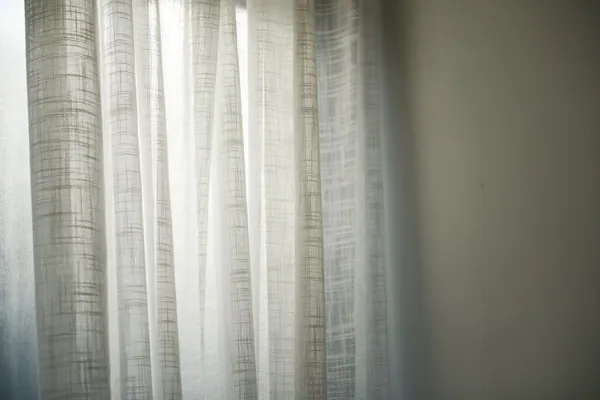
Cleaning method depends on how much salt is embedded and what type of fabric it is, so we test on a hidden area first and adjust our approach accordingly.
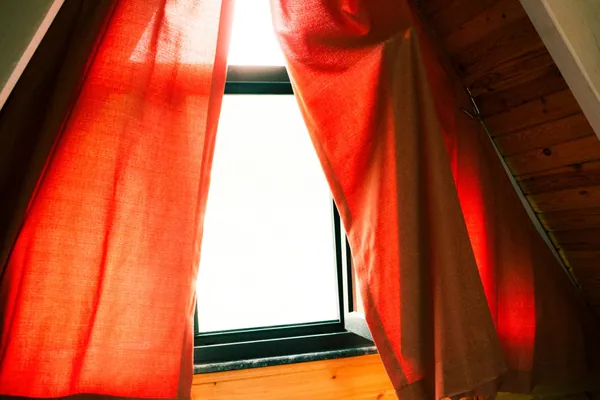
Drying must be slow with strong ventilation, and hanging in a dry, open space helps draw moisture out much faster than enclosed drying would.
Cotton, linen, velvet, blackout weave and synthetic sheers do not take the same heat or the same solution.
Before any water.
A water spot at the hem is not treated like a greasy film near a kitchen.
We loosen what has bonded inside the fibres across the full panel, both faces and top to hem, with the method that suits the fabric, while the curtains stay on the rail so the drape is not disturbed.
The loosened dirt and water are pulled back out in the same pass.
We go over the panels with you before the team leaves.
Coastal area: high humidity and salt air through the year
Coastal means every step from taking down through final drying must account for salt and moisture working against the fabric. Curtains here need gentler handling, longer processing time, and active drying because salt threatens the weave with weakness and discolouration.
Testing the solution on a hidden fold is a step we treat as necessary, not optional.
We send a team, not a single worker.
The cleaning and extraction machines come with the team.
If a panel needs a tailor rather than a clean, we say so.
Photographs from real jobs carried out by the crew.












The commitment is simple enough to actually keep: we do not leave before you have seen the result and told us what you think of it.
Close to the Arbaeen Lagoon and near Al Hamra Corniche, we reach the flats and apartment buildings on the low ground between Madinah Road and the Port Bridge Road.
We provide these in Al Baghdadiyah West too, and more than one can share a single visit.



