
We test before we clean
Testing the solution on a hidden fold is a step we treat as necessary, not optional.
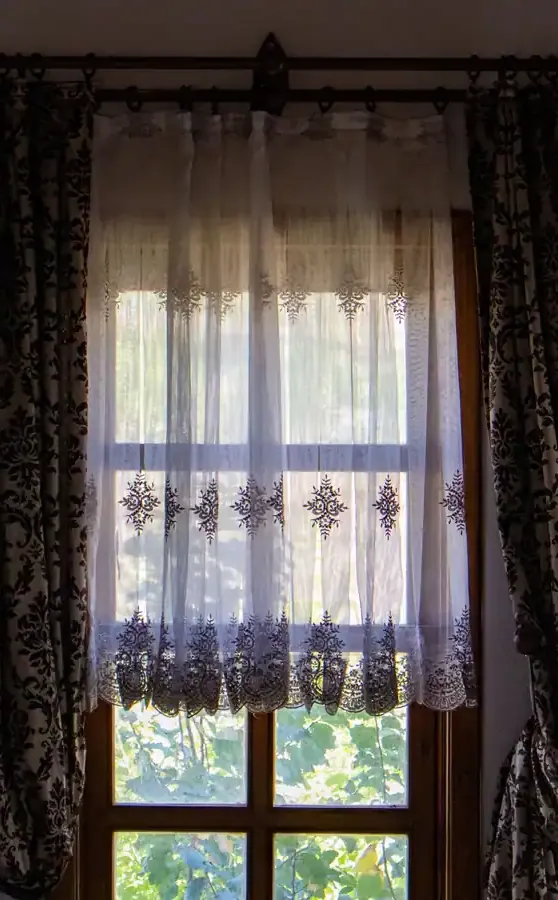
Al Sahel is a coastal district on Al Saif Corniche facing the Red Sea, and high humidity the year round means curtains never fully dry, whilst salt from the air deposits daily on the fabric. Soot from the heavy coastal traffic adds another layer, so curtains here need entirely different treatment from those in inland neighbourhoods.
Coastal windows need frequent washing because salt carried in the air settles on glass and curtains alike, and even fabric attached to the wall collects salt deposits. For the method itself, see how we approach curtain cleaning.
Coastal humidity never drops, even in dry summer. Curtains stay relatively damp all the time, which means fungi and mildew may appear on pale colours. White marks from accumulated moisture become hard to remove if left long.
Salty air carries extremely fine salt particles that enter the home when windows open. Salt deposits on fabric and forms tiny crystals that make cloth rough and hard. Ordinary washing does not remove all salt, so white marks reappear after drying.
Heavy lorries on coastal roads emit dark diesel soot. This soot mixes with salt and moisture into grey clay that clings to curtains and resists standard removal methods.
Al Sahel lies on the western edge of south Jeddah directly on Al Saif Corniche facing the Red Sea, with a mix of residential land, villas and apartments, and constant salt air currents from the sea.
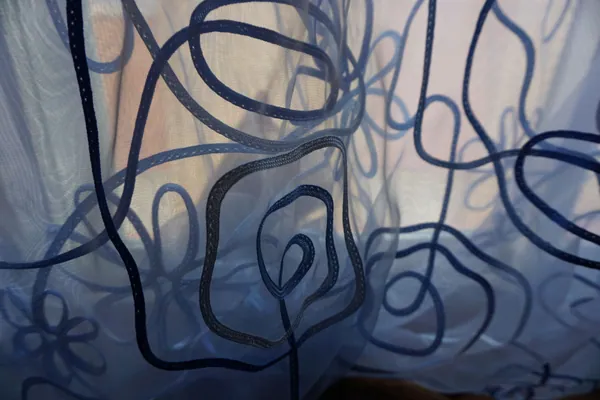
Fabric inspection focuses on detecting early mould and fungal spots, visible white salt marks, and damage from accumulated moisture in the fabric edges.
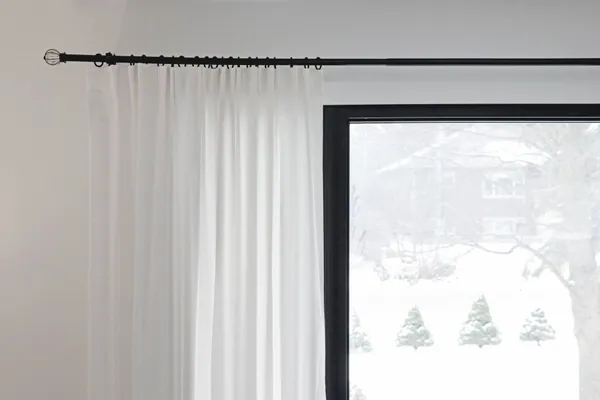
Taking down curtains requires care because humidity makes metal fittings weaker, and wet fabric can tear if pulled hard.
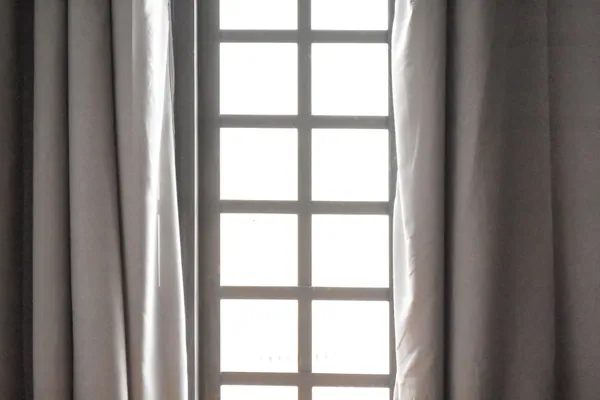
Dry vacuum removes surface salt and sand before any water. Salt dissolves when mixed with water, so dry vacuum is the crucial first step.
White marks from salt are treated with special solutions that dissolve mineral salt without damaging fabric, while black mould spots need a different safe antimicrobial treatment.
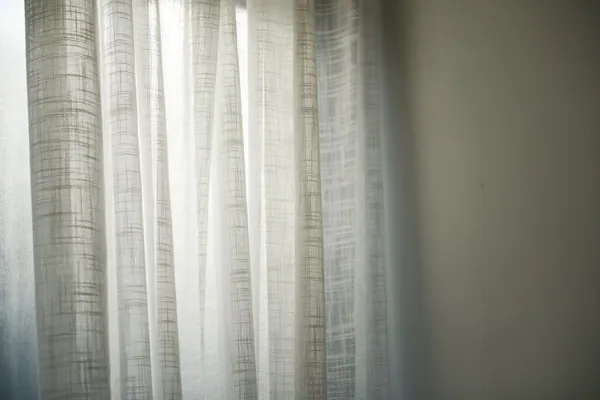
Cleaning method focuses on removing all salt through repeated rinsing. Soot needs an oily treatment, mildew needs a safe fabric disinfectant.
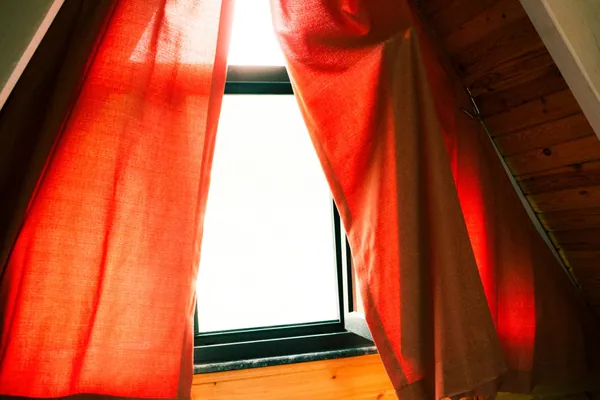
Rehang happens after safe drying in a dry place. In coastal areas we recommend running air conditioning or fans during drying to pull moisture from the fabric.
Cotton, linen, velvet, blackout weave and synthetic sheers do not take the same heat or the same solution.
Before any water.
A water spot at the hem is not treated like a greasy film near a kitchen.
We loosen what has bonded inside the fibres across the full panel, both faces and top to hem, with the method that suits the fabric, while the curtains stay on the rail so the drape is not disturbed.
The loosened dirt and water are pulled back out in the same pass.
We go over the panels with you before the team leaves.
Coastal area: high humidity and salt air through the year
Coastal areas mean high humidity, persistent salt and oily soot. Curtains here need special treatment for salt and mould before they become permanent, and more frequent cleaning than inland homes to prevent damage.
Testing the solution on a hidden fold is a step we treat as necessary, not optional.
We send a team, not a single worker.
The cleaning and extraction machines come with the team.
If a panel needs a tailor rather than a clean, we say so.
Photographs from real jobs carried out by the crew.












The commitment is simple enough to actually keep: we do not leave before you have seen the result and told us what you think of it.
South Jeddah runs from the port and the industrial city down towards Al Khumrah, and homes here sit between the sea and the heavy goods roads. The dust is darker and oilier than in the north, a mix of diesel soot and workshop grit, and it clings to net curtains, window sills and the tops of kitchen cupboards. Floors in the older low rise housing are often plain cement or ceramic tile that darkens where soot is walked in. Humidity from the coast adds mildew in bathrooms and a musty smell in stored fabrics.
We provide these in Al Sahel too, and more than one can share a single visit.



