
We test before we clean
Testing the solution on a hidden fold is a step we treat as necessary, not optional.
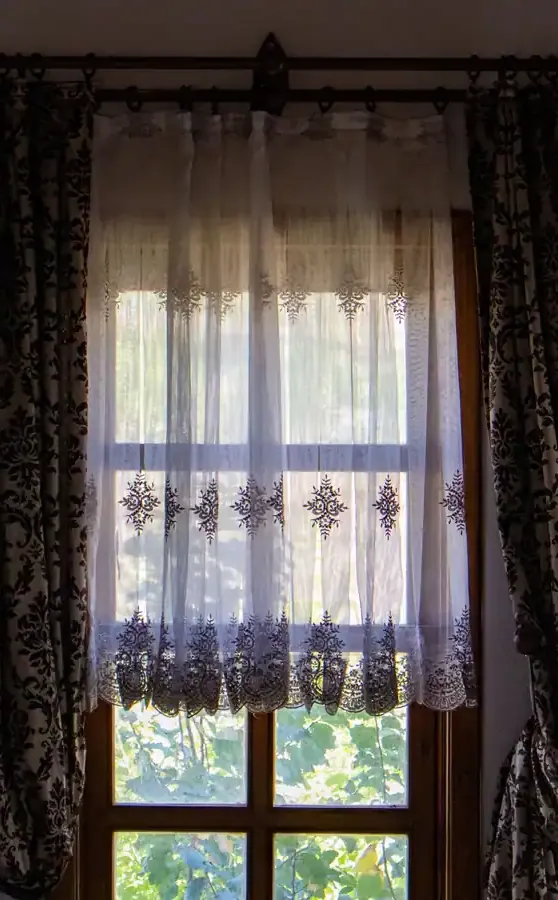
Al Salmiyah is a densely populated residential neighbourhood in central Jeddah, with closely built apartment buildings and shared entrance halls. Curtains here pick up street dust and odours quickly because windows open onto busy internal passages. Cleaning needs careful removal so neighbours are not disturbed.
Curtains here soil faster from vehicle movement and exhaust on the main road, and from dust blowing in through windows facing the street. For the method itself, see the full curtain cleaning page.
Palestine Street is a busy route and a main artery through the district. The constant traffic raises dust and light soot from vehicle exhausts, and curtains here need cleaning more often than in quiet neighbourhoods because the buildup is faster and greyer.
The enclosed passageways and shared stairs hold damp, especially after rain or when floors are washed down. Curtains near the entrances absorb this moisture and hold stale odours longer than curtains deeper inside the flats.
Flats in apartment blocks have narrow windows and limited internal space. Long curtains need careful handling during removal and rehang so they do not touch furniture or block internal hallways.
A high density residential district east of Palestine Street with mid rise buildings standing close together, and hallways and shared floors seeing constant foot traffic from residents.
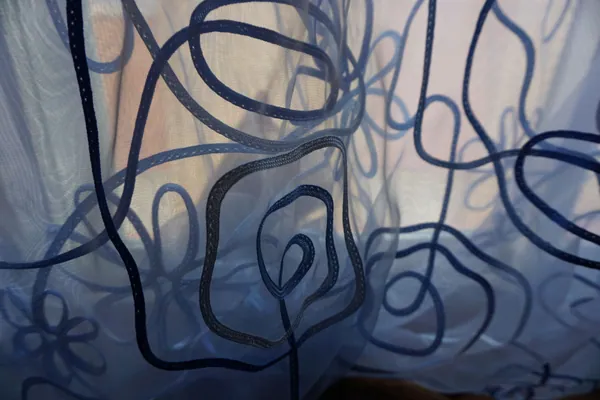
Fabric and how it hangs: Most curtains in Al Salmiyah are cotton or cotton blend, hung on simple metal rails or basic hanging rings.
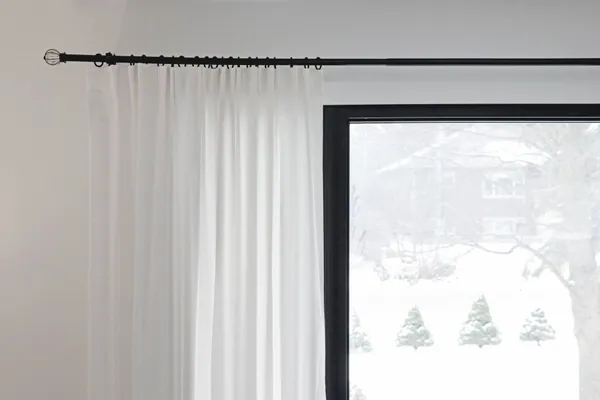
Panels taken down carefully: We remove from inside the flat with one hand steadying the fabric because spaces are tight and windows are set close to furniture.
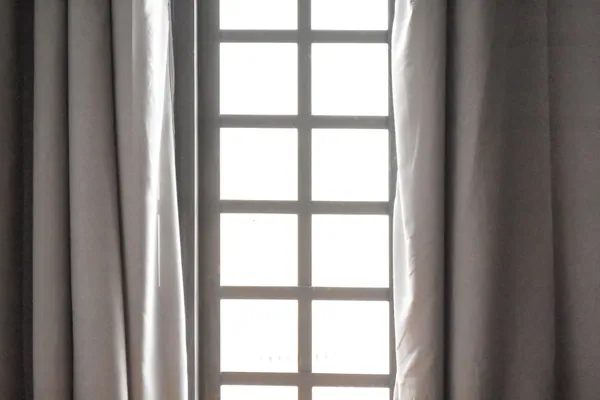
Dry vacuum before any water: We start with strong dry suction to lift heavy road dust that has settled deep into the weave.
Stains treated one by one: Black traffic soot needs different treatment from the faint moisture marks left by damp hallways.
Cleaning method set by type: Blended fabric tolerates more gentle friction than pure cotton, and we always spot test on a hidden corner first.
Rehung and creases dropped: We rehang on the original rails and rings exactly as they were, and finish with a gentle warm air pass to open out the weave.
Cotton, linen, velvet, blackout weave and synthetic sheers do not take the same heat or the same solution.
Before any water.
A water spot at the hem is not treated like a greasy film near a kitchen.
We loosen what has bonded inside the fibres across the full panel, both faces and top to hem, with the method that suits the fabric, while the curtains stay on the rail so the drape is not disturbed.
The loosened dirt and water are pulled back out in the same pass.
We go over the panels with you before the team leaves.
Testing the solution on a hidden fold is a step we treat as necessary, not optional.
We send a team, not a single worker.
The cleaning and extraction machines come with the team.
If a panel needs a tailor rather than a clean, we say so.
Photographs from real jobs carried out by the crew.












The commitment is simple enough to actually keep: we do not leave before you have seen the result and told us what you think of it.
In Al Salmiyah we navigate in through Palestine Street, and the work is timed by your proximity to Al Salmiyah Mosque or Abi Al Ala Intermediate School so we know the exact neighbourhood entrance and can schedule arrival.
We provide these in Al Salmiyah too, and more than one can share a single visit.



