
We test before we clean
Testing the solution on a hidden fold is a step we treat as necessary, not optional.
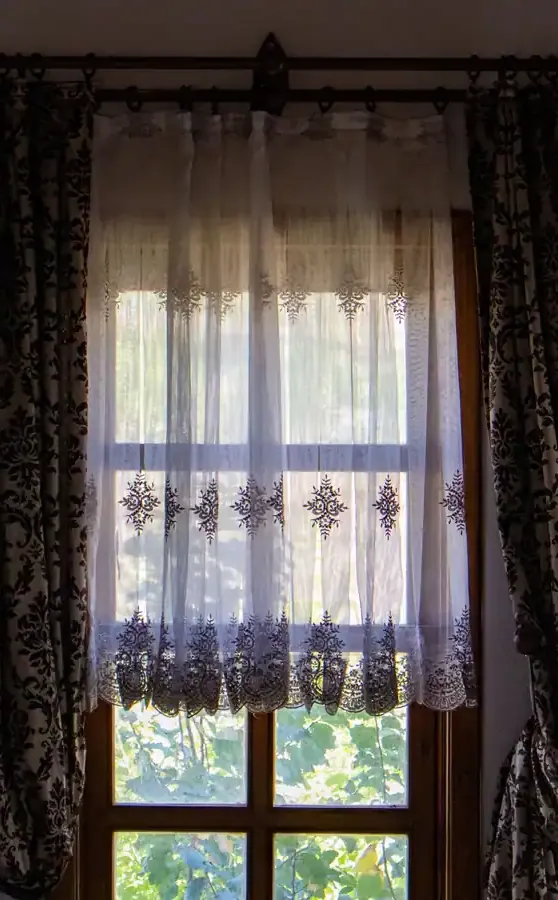
Al Salamah is established in north Jeddah on commercial streets Quraish and Al Yamamah between Prince Sultan and Madinah Roads, with a mix of villas and apartment buildings where shops occupy ground floors and residents live above. Curtains here collect dust from constant traffic and mixed odours from restaurants, clinics and pharmacies, so they need deep professional cleaning suited to each fabric type.
Curtains in flats above shops and medical offices turn dark from oil and cooking smoke noticeably faster than curtains in detached villas in the same district. For the method itself, see how we approach curtain cleaning.
Quraish and Al Yamamah Streets are busy commercial routes with constant vehicle movement and diverse shops. Dust enters under doors and windows and settles visibly on curtains, requiring vigorous dry vacuum and careful drying to remove particles before any water touches the fabric.
Ground floors hold restaurants, dental clinics and pharmacies, each releasing distinct odours. Curtains absorb these layered smells and hold them in the weave, so initial inspection determines whether the odour is surface level or has penetrated deep into the fibres.
The Al Yamamah Walkway is nearby and windows overlook it, so damp air enters constantly. Curtains absorb moisture and trace salt and humid air, requiring special humidity control during drying to prevent faint mould smell from developing.
An upmarket district in central north Jeddah on main commercial roads, with hospitals, a university campus and a public walkway, bordering the coast to the west and Al Rawdah to the east.
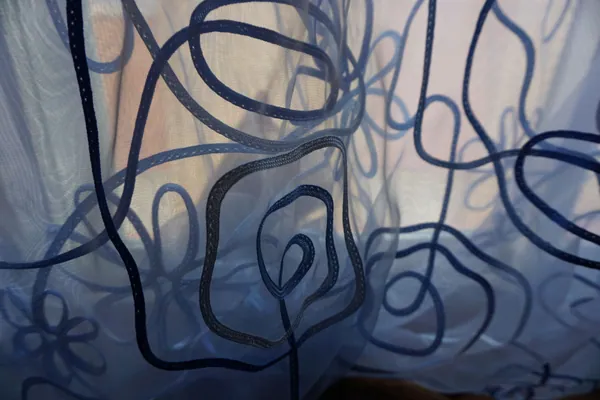
Silk and linen fabrics from premium shops need careful inspection because oil penetrates them quickly and hot water may shift their colour permanently.
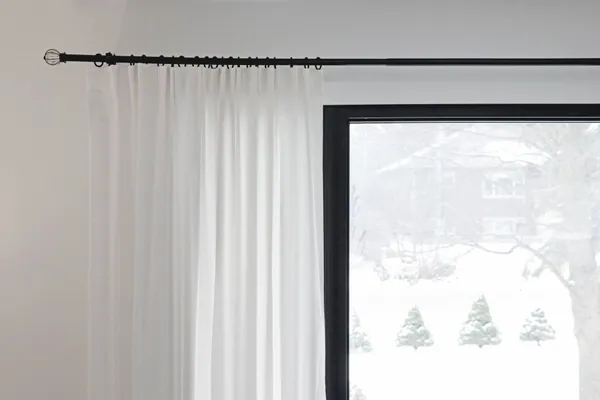
Panels come down from metal rails gently because dust and oil make the weave slightly weak, and old fabric may tear if pulled hard.
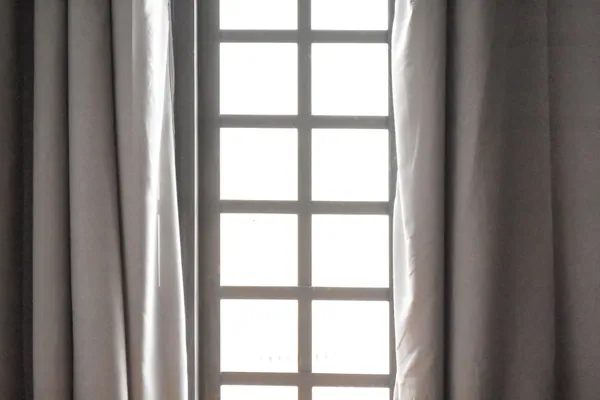
Dry vacuum first removes heavy dust and surface oil before water, protecting the weave from dirt sticking to moisture.
Oil and cooking smoke stains need separate treatment and manual rubbing before full washing, and old stains may leave a trace.
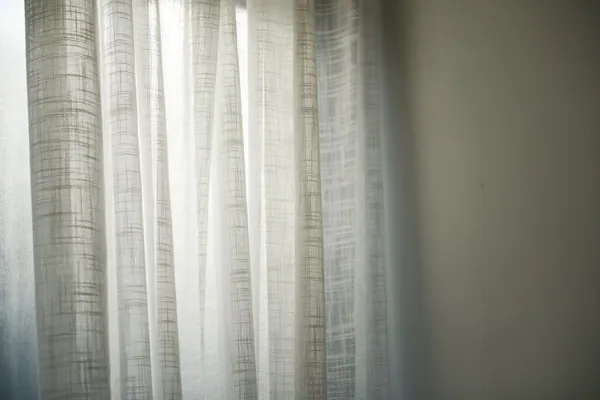
Heavy fabrics dry slowly and must avoid direct sunlight to prevent further discolouration, whilst lightweight ones dry quickly.
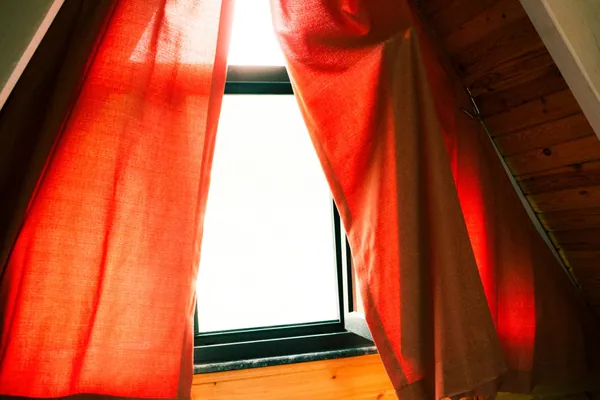
Rehanging happens after complete drying on the original rail, avoiding sharp folds that leave permanent creases in silk.
Cotton, linen, velvet, blackout weave and synthetic sheers do not take the same heat or the same solution.
Before any water.
A water spot at the hem is not treated like a greasy film near a kitchen.
We loosen what has bonded inside the fibres across the full panel, both faces and top to hem, with the method that suits the fabric, while the curtains stay on the rail so the drape is not disturbed.
The loosened dirt and water are pulled back out in the same pass.
We go over the panels with you before the team leaves.
Testing the solution on a hidden fold is a step we treat as necessary, not optional.
We send a team, not a single worker.
The cleaning and extraction machines come with the team.
If a panel needs a tailor rather than a clean, we say so.
Photographs from real jobs carried out by the crew.












The commitment is simple enough to actually keep: we do not leave before you have seen the result and told us what you think of it.
Mixed district: shops at street level with homes above them
In a mixed district, curtains absorb odours from different shop uses daily, so cleaning here requires precise identification of what smell is present and its source before choosing the right products and method.
We provide these in Al Salamah too, and more than one can share a single visit.



