
We test before we clean
Testing the solution on a hidden fold is a step we treat as necessary, not optional.
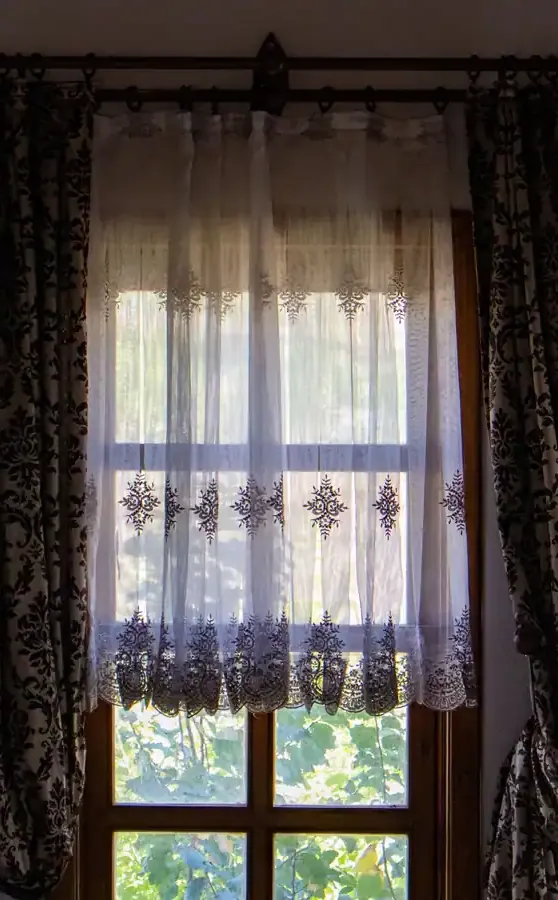
Al Atheer is a small locality on the south eastern edge of Jeddah along the Jeddah Makkah Expressway. Flats and small shops sit next to each other, with vacant plots around the homes. Curtains collect concentrated dust from the expressway and a mix of workshop grit and faint coastal humidity. Mixed means each home differs slightly in what it collects depending on what sits nearby.
Al Atheer sits next to a busy expressway but is itself a small peripheral area, so curtains take heavy dust from the road but the neighbourhood is otherwise relatively quiet. For the method itself, see what curtain cleaning involves.
The expressway runs directly beside Al Atheer and carries very heavy flow. Black dust from trucks and cars enters windows open and closed alike. Curtains can turn black from this dust very quickly.
Al Atheer is near the coast and humidity exists but it is lighter than on streets directly facing the water. Vacant plots around the homes may raise humidity after rain. Curtains dry a little more slowly.
Vacant land around Al Atheer means air passes over it before it reaches the homes. Dust from bare earth and gravel enters with the wind. This raises the dust concentration around the houses.
A small locality on the south eastern edge of Jeddah on the Jeddah Makkah Expressway, lighter density than central Jeddah, a mix of newer housing and open plots.
The inspection focuses on the load of black dust and the fabric type and strength to carry it.
Removal is straightforward because the simple flats here have standard fittings with no complex systems.
Dry vacuum and beating is critical because black dust from the expressway is very heavy.
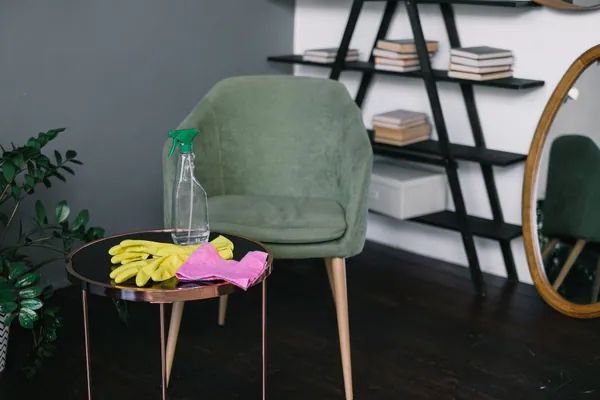
Black stains and moisture marks need separate treatment matched to each type.
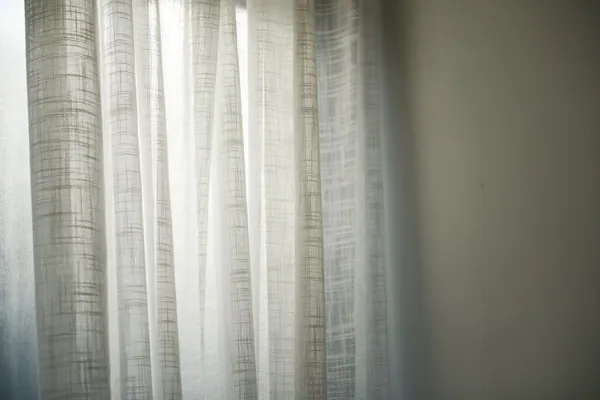
The cleaning method focuses on deep removal of the heavy black soot.
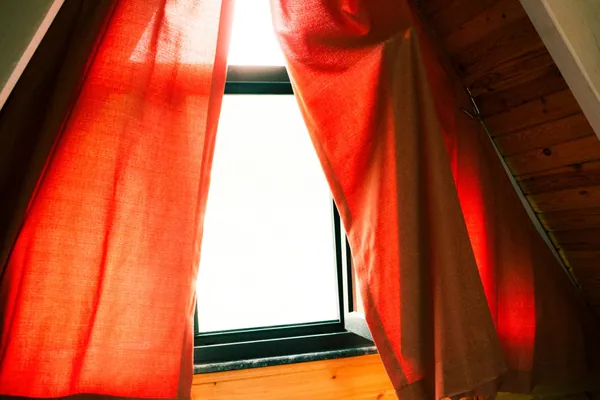
Rehanging needs care with simple fittings that may be worn or weakened.
Cotton, linen, velvet, blackout weave and synthetic sheers do not take the same heat or the same solution.
Before any water.
A water spot at the hem is not treated like a greasy film near a kitchen.
We loosen what has bonded inside the fibres across the full panel, both faces and top to hem, with the method that suits the fabric, while the curtains stay on the rail so the drape is not disturbed.
The loosened dirt and water are pulled back out in the same pass.
We go over the panels with you before the team leaves.
Mixed district: shops at street level with homes above them
Mixed here means the flat may sit next to a shop or between vacant plots. Each location brings slightly different soil: a flat beside a shop collects grease; one beside empty land collects raw dust. The location relative to the expressway matters most because that is the primary source.
Testing the solution on a hidden fold is a step we treat as necessary, not optional.
We send a team, not a single worker.
The cleaning and extraction machines come with the team.
If a panel needs a tailor rather than a clean, we say so.
Photographs from real jobs carried out by the crew.












The commitment is simple enough to actually keep: we do not leave before you have seen the result and told us what you think of it.
South Jeddah runs from the port and the industrial city down towards Al Khumrah, and homes here sit between the sea and the heavy goods roads. The dust is darker and oilier than in the north, a mix of diesel soot and workshop grit, and it clings to net curtains, window sills and the tops of kitchen cupboards. Floors in the older low rise housing are often plain cement or ceramic tile that darkens where soot is walked in. Humidity from the coast adds mildew in bathrooms and a musty smell in stored fabrics.
We provide these in Al Atheer too, and more than one can share a single visit.



