
We test before we clean
Testing the solution on a hidden fold is a step we treat as necessary, not optional.
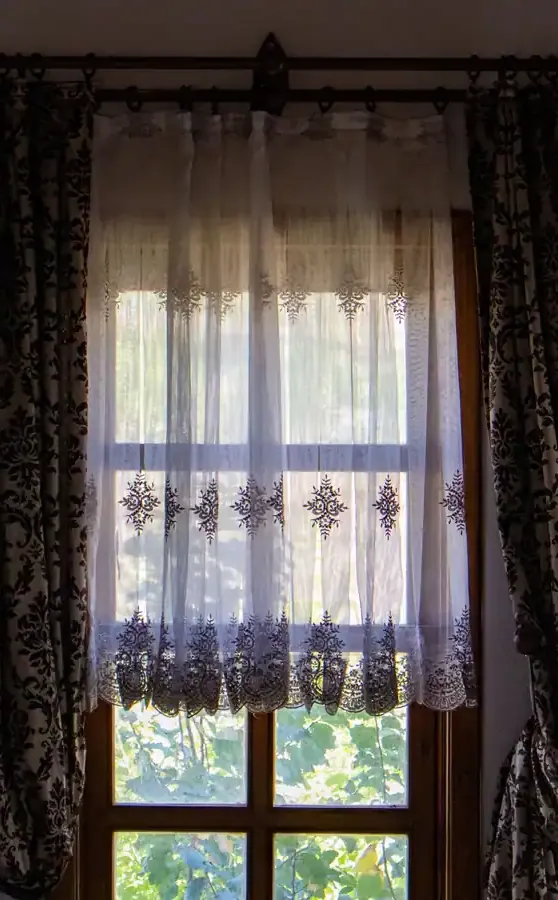
Al Fanar is a newly built district in north Jeddah where open ground and ongoing construction mean the air carries raw dust and fine sand that is coarser than in the city's denser quarters. Your curtains here collect a different kind of grit than your neighbours in older districts, and the routine needs to account for that.
The dust here is paler and coarser than downtown, settling on every surface overnight in these open areas where buildings do not cut the wind the way older dense quarters do. For the method itself, see the full curtain cleaning page.
Open ground and ongoing construction around Al Fanar means the air carries larger, coarser particles than densely built areas. Curtains collect this raw dust faster and need deep cleaning on a tighter schedule. The grit is visible quickly, but it sits on the surface rather than being ground into the weave.
Proximity to the bay means higher humidity than east Jeddah, and sea salt settles on glass and outdoor fabrics. Interior curtains absorb this moisture, holding odours and dust longer. The salt also tends to harden dust that would otherwise shake out.
Active construction around the new development adds cement dust and mortar particles to the air. Curtains trap these fine particles deeply, especially at the hem and in the weave. They need cleaning that reaches into the fabric, not just a surface shake.
A new residential area within the Obhur Al Shamaliyah subdivisions, surrounded by vacant plots and newly asphalted streets, near the Jeddah Madinah Road and with views towards Obhur Bay and its salt-laden air.
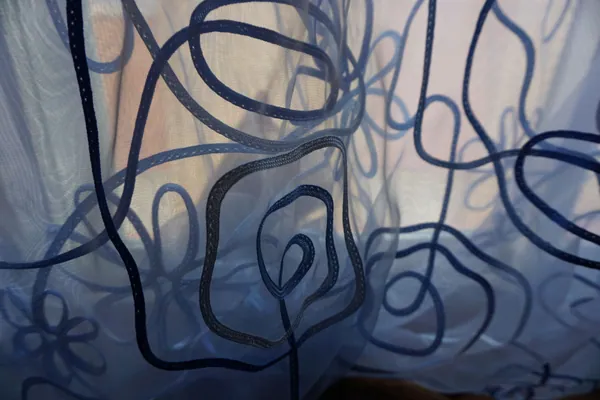
Both sheer and heavy curtains are common in new villas here where large windows and high ceilings demand different solutions. We identify the weight and fibre before touching anything.
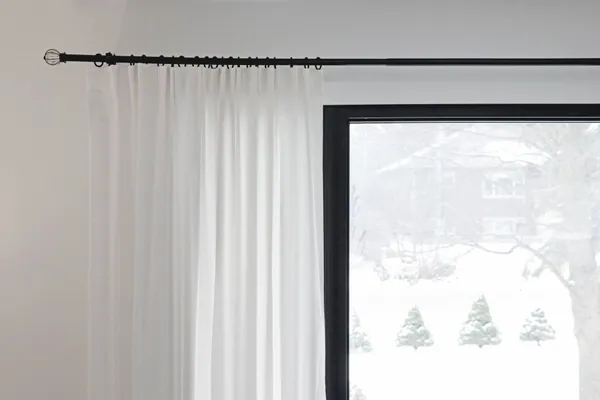
New houses mean recently fitted tracks and fittings, often different brands, so we inspect how each curtain is attached and test the track before we lower anything.
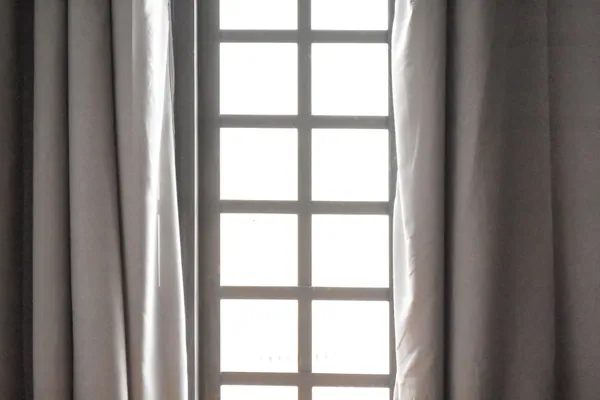
Raw dust needs strong dry vacuum first and a vigorous shake before any water touches the fabric, or the dust will turn to clay and embed deeper.
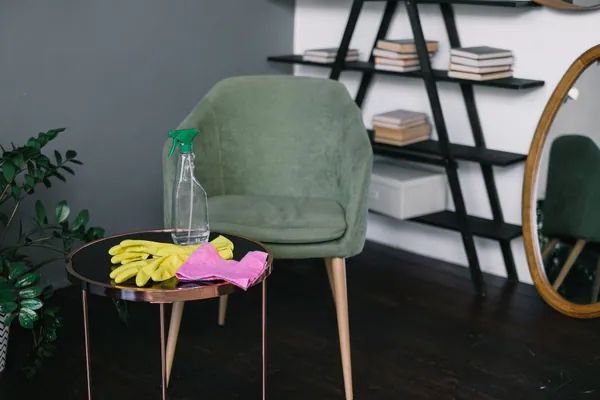
Marks here are mostly dust hardened by salt and humidity rather than food or drink, so we treat them with methods that reverse moisture and salt, not acid or enzyme.
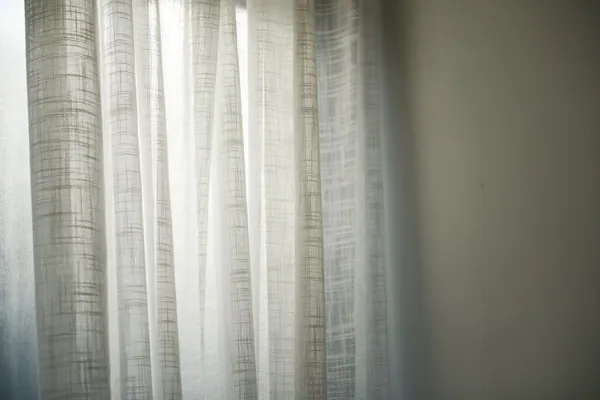
Method depends on fibre: sheer fabrics forbid friction and need controlled moisture; heavy curtains tolerate deeper vacuum and benefit from agitation in the clean water to open the weave.
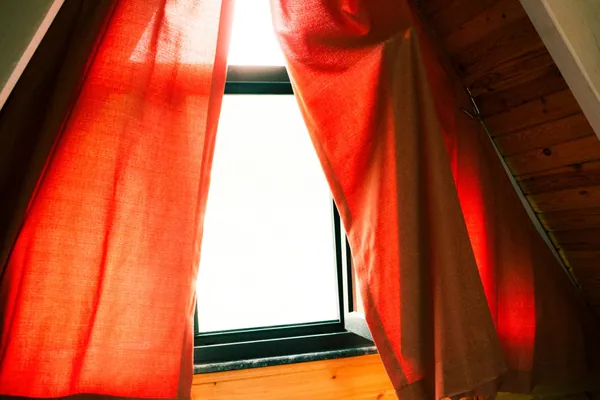
Drying here must happen in shade or indoors because the sun accelerates salt crystallisation on damp fabric. Rehang happens when the fabric is almost dry to prevent water marks.
Cotton, linen, velvet, blackout weave and synthetic sheers do not take the same heat or the same solution.
Before any water.
A water spot at the hem is not treated like a greasy film near a kitchen.
We loosen what has bonded inside the fibres across the full panel, both faces and top to hem, with the method that suits the fabric, while the curtains stay on the rail so the drape is not disturbed.
The loosened dirt and water are pulled back out in the same pass.
We go over the panels with you before the team leaves.
Access to Al Fanar runs through King Saud Road and via Al Iman Park, so most homes can be reached from either of these two main routes that cut through the district.
Testing the solution on a hidden fold is a step we treat as necessary, not optional.
We send a team, not a single worker.
The cleaning and extraction machines come with the team.
If a panel needs a tailor rather than a clean, we say so.
Photographs from real jobs carried out by the crew.












The commitment is simple enough to actually keep: we do not leave before you have seen the result and told us what you think of it.
North Jeddah is largely newer villa districts and compounds around Obhur and inland from it. Homes here tend to have marble or porcelain floors, large windows and a garden or courtyard, so the routine is set by what comes in from outside: fine sand carried on sandals, and sprinkler spray that dries to a chalky ring on tiles. Near the creek and the coast, sea air leaves a faint salt film on glass and on outdoor cushions, which stiffens fabric. Curtains and upholstery in these open plan rooms catch the dust that settles overnight.
We provide these in Al Fanar too, and more than one can share a single visit.



