
We test before we clean
Testing the solution on a hidden fold is a step we treat as necessary, not optional.
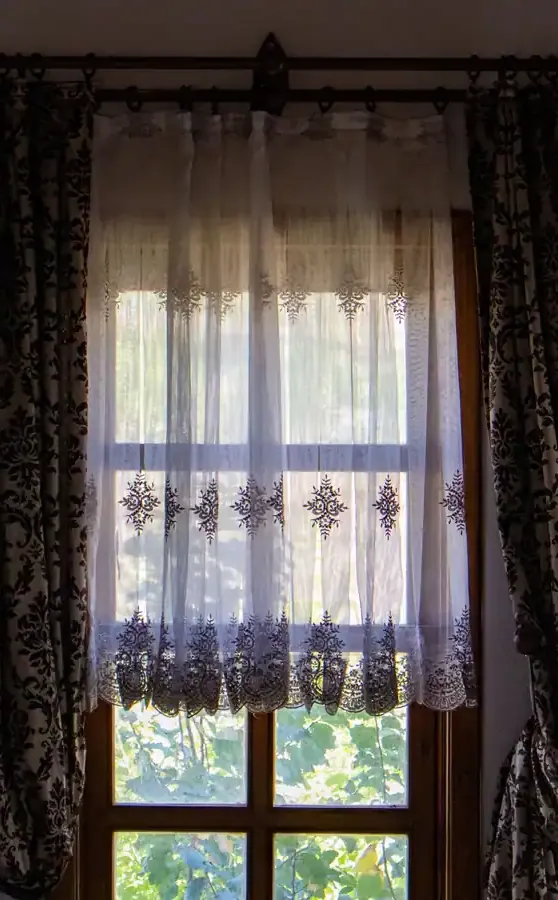
Al Sham is one of the four historic quarters inside the old walled city, built of stone and timber, with lanes so narrow that wind does not move freely. The curtains trap fine black dust from the main roads, moisture rising from walls that have held damp for decades, and the trapped smell of food and living that no open window has ever cleared. The fabric itself is old and fragile, and the soil is deep and stubborn.
Curtains here smell of stale, trapped air from years of closed space, and the very old cloth thins at the edges from decades of moisture and dust exposure. For the method itself, see what curtain cleaning involves.
The main street through the quarter carries fine black dust from trucks and cars that works its way into every open window and settles on every sill. The narrow lanes do not allow air to circulate, so the dust clings to curtains longer and deeper. Removing it demands a gentle shake rather than vigorous motion, because very old fabric can tear if jarred too hard. The particles sit in the weave, not just on the surface.
Stone built a century ago holds moisture, and drains that have never been replaced do not empty quickly, so flats stay damp year round. Curtains absorb this moisture and become heavy and musty with trapped air. Poor ventilation in narrow lanes means fabric stays damp even longer. After cleaning, drying is slow and needs active management to prevent mildew returning before the fabric is fully dry.
Many curtains in this quarter have never been changed in decades. The fabric is weak, edges are worn thin, and the fibres have lost their resilience to water and movement. Trapped smells and faint mildew have soaked deep into aged cloth over years. Cleaning such curtains demands an extremely gentle method and cannot always remove every trace of old smell, especially in very thin, very weak fabric.
A historic quarter in central Jeddah's old city, with stone and timber buildings pressed close together, narrow lanes and ageing services including drains. Fine black road dust from main roads settles constantly, and walls show rust marks from old pipework.
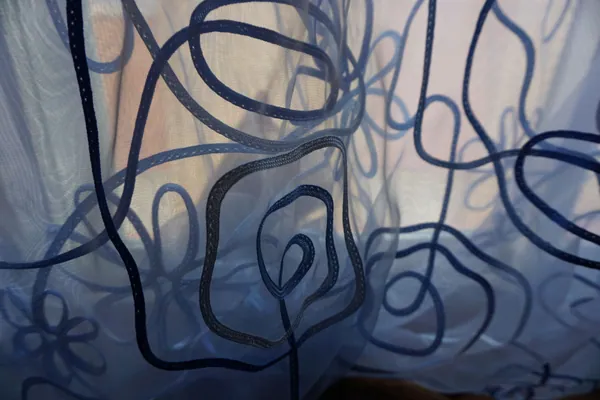
Very old fabric in this quarter needs careful manual testing before any water contact because fibres may be so weak and brittle that washing risks damage.
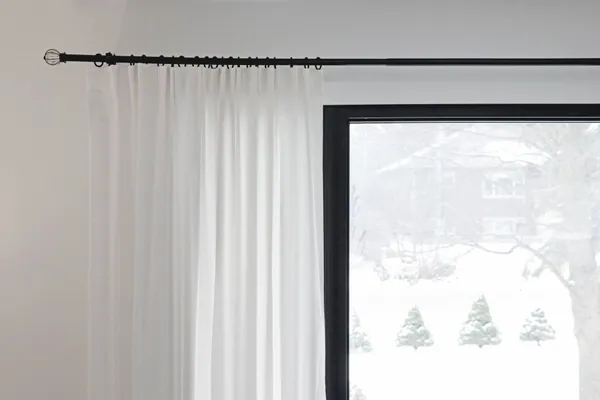
Removing curtains from corroded hooks and rusted rails demands caution because old metal can leave marks or snap when moved, spreading rust particles onto the weave.
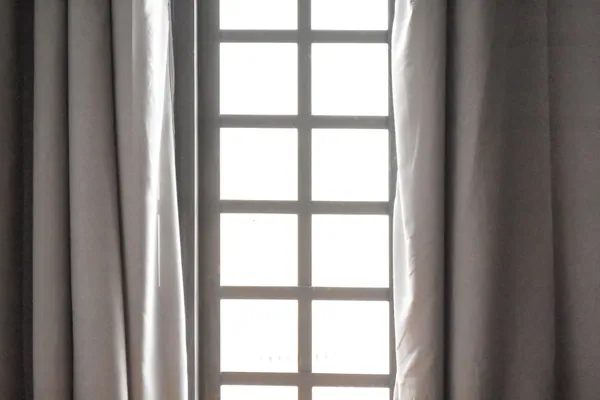
Dry vacuum is exceptionally gentle, working by hand or soft brush rather than vigorous shaking, which could tear weak, aged cloth.
Stains from rust and moisture need separate, careful treatment because harsh products can damage very old fabric more than the marks themselves.
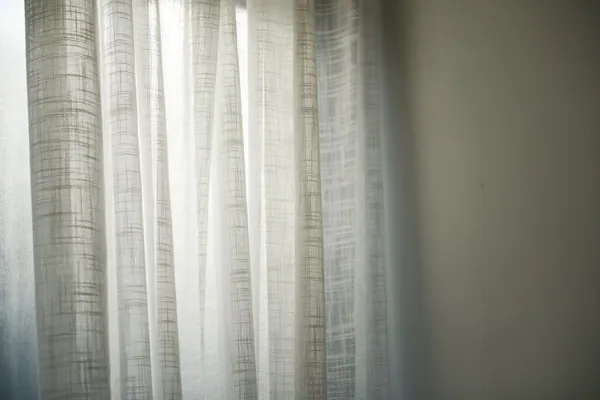
Washing method for very old fabric is extremely gentle, warm water and hand washing or soft machine setting without strong spinning or wringing.
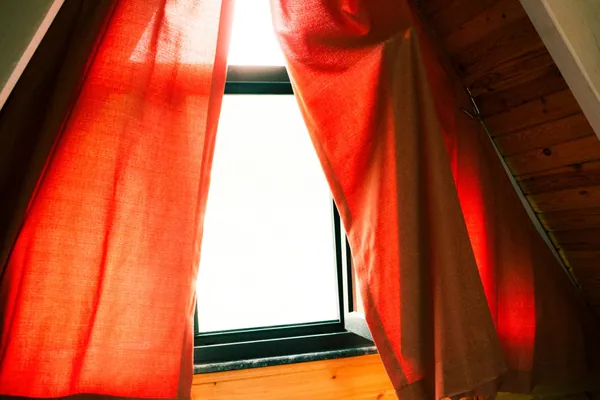
Drying is slow in moderate air flow to prevent severe shrinkage and cracking, with fabric laid flat or hung with great care using extra support.
Cotton, linen, velvet, blackout weave and synthetic sheers do not take the same heat or the same solution.
Before any water.
A water spot at the hem is not treated like a greasy film near a kitchen.
We loosen what has bonded inside the fibres across the full panel, both faces and top to hem, with the method that suits the fabric, while the curtains stay on the rail so the drape is not disturbed.
The loosened dirt and water are pulled back out in the same pass.
We go over the panels with you before the team leaves.
Historic district: close-set buildings, narrow lanes and ageing services
A building this old means everything in it is aged: the fabric, the pipework, the walls. Curtains carry that age in their weak weave and their trapped smell. Cleaning here is less about restoration and more about preservation of what remains.
Testing the solution on a hidden fold is a step we treat as necessary, not optional.
We send a team, not a single worker.
The cleaning and extraction machines come with the team.
If a panel needs a tailor rather than a clean, we say so.
Photographs from real jobs carried out by the crew.












The commitment is simple enough to actually keep: we do not leave before you have seen the result and told us what you think of it.
Central Jeddah is the old heart of the city: Al Balad with its coral stone houses, and the dense apartment quarters around it with shops beneath the flats. Floors here are often terrazzo or older ceramic tile, worn smooth and easily stained by cooking grease that drifts up from the street. Older kitchens and bathrooms carry heavy scale on taps and around drains, and pipework in the older blocks leaves rust marks in basins. Rugs and curtains take on the fine black dust of the main roads, so they need washing more often than elsewhere.
We provide these in Al Sham too, and more than one can share a single visit.



