
We test before we clean
Testing the solution on a hidden fold is a step we treat as necessary, not optional.
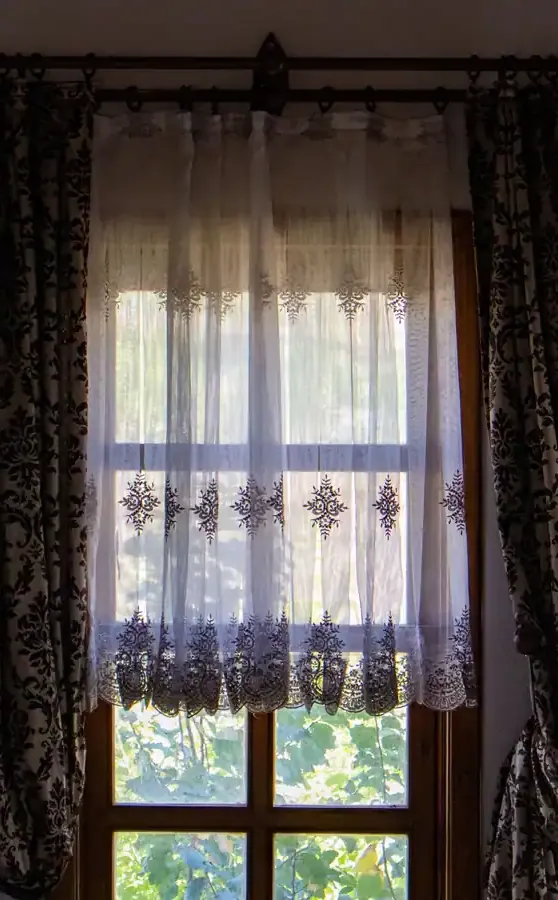
Al Samer is a planned mixed-use district in east Jeddah where villas and apartment blocks sit directly above and beside shops, restaurants and a popular market buzzing all day. Curtains in the villas absorb cooking oil and spray from kitchen ranges below, while apartments above street-level shops collect diesel soot and road dust from delivery trucks. The daily commercial activity translates directly into contaminants embedded in the fabric.
Curtains in apartments above shops carry cooking oil and food smell woven deep into the cloth, while villas bordering the main street gather greasy black diesel soot from trucks, which is chemically different from the dust that settles in purely residential neighbourhoods. For the method itself, see the full curtain cleaning page.
Villas near restaurants in Al Samer absorb cooking oil and food smell far into the weave. These oily pollutants do not lift with plain water and require a separate oil-breaking stage before the main wash, so the water can then rinse effectively.
Units directly above street-level shops face truck exhaust and airborne diesel particles constantly. This sticky black soot needs vigorous dry vacuum and repeated brushing before any water touches it, because moisture binds soot permanently to the fibres.
A single curtain in Al Samer may collect cooking oil, diesel soot and fine dust simultaneously. Each contaminant needs its own treatment chemical and a logical sequence, so addressing one pollutant does not transfer another to a clean area.
The district's orderly grid layout and wide streets do not change the fact that residential units are built atop or immediately adjacent to active restaurants, popular market stalls and commercial delivery routes that run continuously.
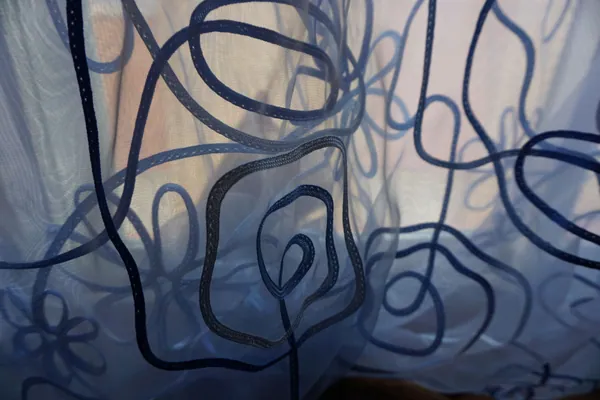
Curtains in villas and apartments immediately adjacent to shops and restaurants require careful assessment to identify what type of oily pollutants are present before selecting a treatment sequence that will suit both the fabric and the contamination level.
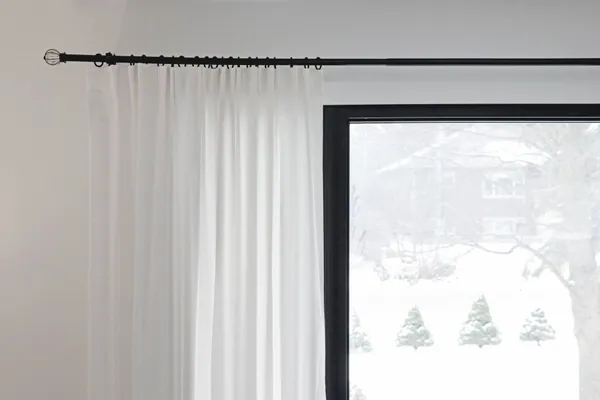
Units above shops and beside restaurants demand extremely careful panel removal because the cloth is heavily soiled and the fibres may have weakened from prolonged contact with oily contaminants.
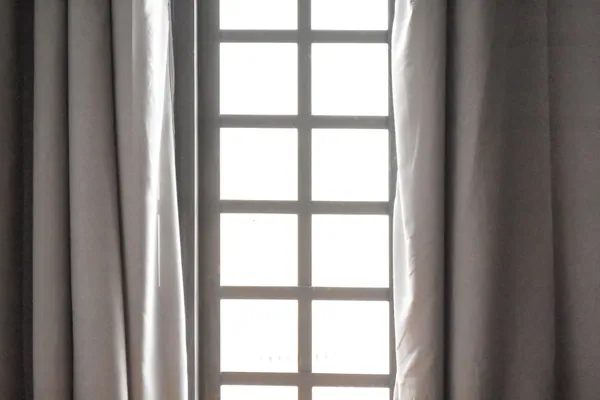
Strong dry vacuum and repeated brushing are critical for removing black soot and cooking smoke before any water is applied, because moisture bonds soot permanently to the fibre and blocks later stain treatment.
Oily food stains, cooking splatter, and black diesel soot from vehicle exhaust must be treated separately in a planned sequence that prevents one pollutant from being transferred to already-cleaned areas.
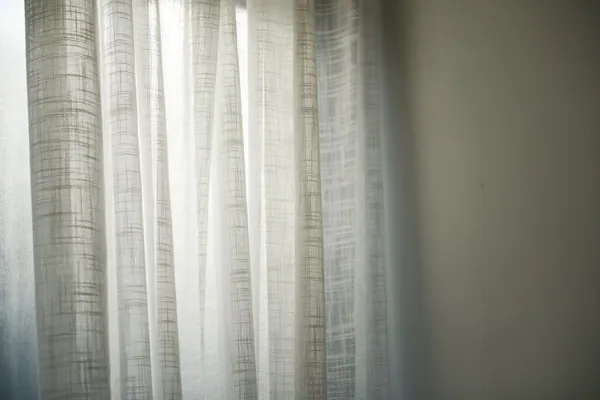
Washing in a commercial mixed-use district requires an oil-removal stage first, then standard washing, and heavily contaminated fabrics may need a second wash cycle depending on the cloth type and severity of buildup.
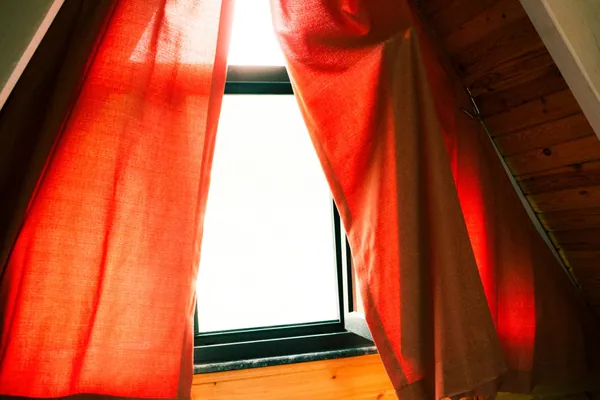
Rapid drying and pressing are especially important in mixed-use neighbourhoods because the moist air from restaurants and commercial activity can encourage mould if drying takes too long after cleaning.
Cotton, linen, velvet, blackout weave and synthetic sheers do not take the same heat or the same solution.
Before any water.
A water spot at the hem is not treated like a greasy film near a kitchen.
We loosen what has bonded inside the fibres across the full panel, both faces and top to hem, with the method that suits the fabric, while the curtains stay on the rail so the drape is not disturbed.
The loosened dirt and water are pulled back out in the same pass.
We go over the panels with you before the team leaves.
Mixed district: shops at street level with homes above them
Mixed-use means a single unit's curtains may face multiple pollutants at once: cooking oil from below, diesel soot from traffic beside, fine dust from activity around. This requires recognising each contaminant type separately and treating it in the right sequence.
Testing the solution on a hidden fold is a step we treat as necessary, not optional.
We send a team, not a single worker.
The cleaning and extraction machines come with the team.
If a panel needs a tailor rather than a clean, we say so.
Photographs from real jobs carried out by the crew.












The commitment is simple enough to actually keep: we do not leave before you have seen the result and told us what you think of it.
The district is built around Al Samir Walkway and Al Samir Park, and its clear physical separation between residential villas and apartments on one side and the popular market with medical complexes on the other makes precise location crucial when identifying exactly what pollutants the curtains have absorbed.
We provide these in Al Samer too, and more than one can share a single visit.



