
We test before we clean
Testing the solution on a hidden fold is a step we treat as necessary, not optional.
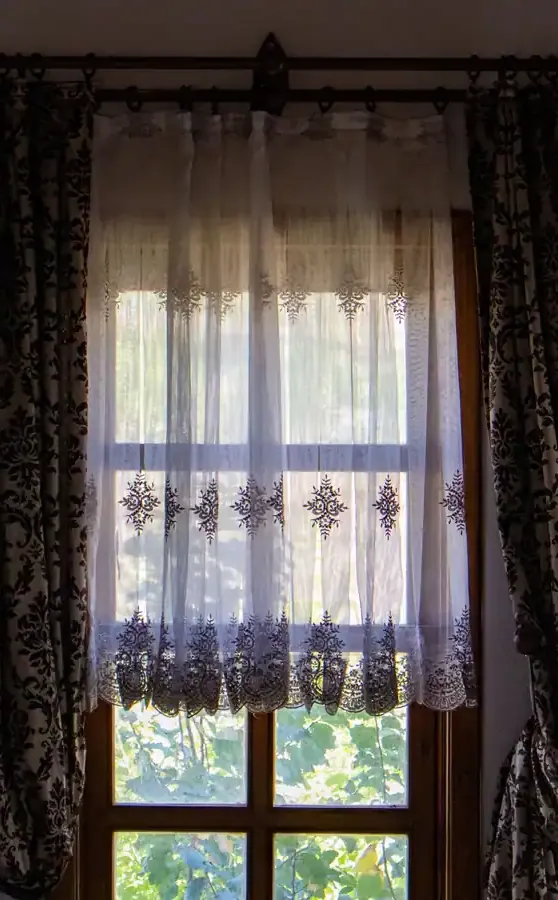
Prince Fawaz South sits close to the Jeddah Makkah Expressway and the Haramain Road, and the dust here is darker and oilier than anywhere in north Jeddah, a mixture of diesel soot from trucks and fine workshop dust that rises and settles on every fabric in reach. This soot does not rinse away with ordinary washing water, and leaves curtains feeling heavy and lifeless in colour, with the oiliness building faster the closer the flat sits to the expressway. Curtains here need treatment different in kind from cleaner neighbourhoods.
Curtains here are several shades darker than in inland districts, and the greasy soot builds up so fast that the job takes longer and reveals more damage as it goes. For the method itself, see what curtain cleaning involves.
Soot from trucks and generators is not ordinary dust, but fine hydrocarbon particles that bond chemically to the cloth. Ordinary soap and water cannot touch it, and the treatment must be both strong enough to break the bond and careful enough to leave the fabric intact. Soot aged for months or years has often altered the dye itself, so the fabric may not return to its original colour even after thorough cleaning.
The district is close to the sea, so moisture in the air penetrates the soot layer and makes it heavier, stickier and prone to musty smell and mildew underneath. Curtains here do not just need soot removal, they need treatment for the humidity and mould that comes with living so close to both heavy roads and the coast.
Soot enters through doors, windows and gaps, and settles first on the floor. Every footstep and every air movement lifts it back up and spreads it through the room, so curtains in spaces with high floor-to-ceiling contact absorb more soot in their lower folds than anywhere else in the building.
The district extends across land near the Haramain Road and the Jeddah Makkah Expressway, surrounded by heavy goods traffic that deposits a fine, greasy soot on every exposed surface including windows, tiles and any fabric that hangs outside.
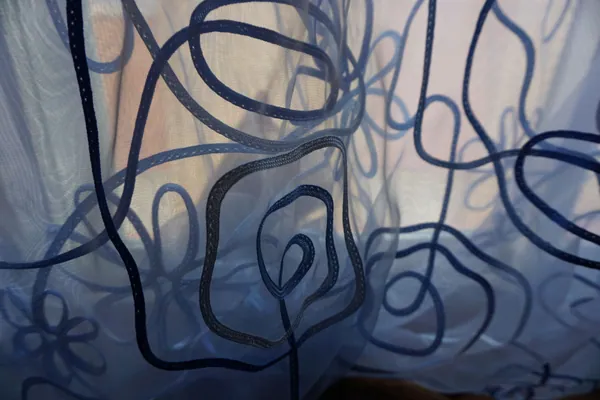
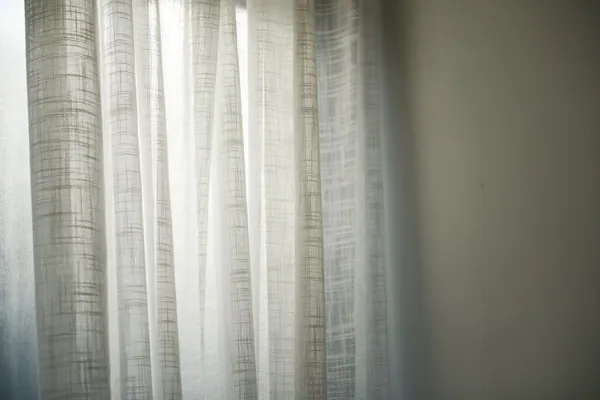
Lightweight sheer fabrics need gentler treatment than heavier ones because the soot may already have weakened the fibres before cleaning begins.
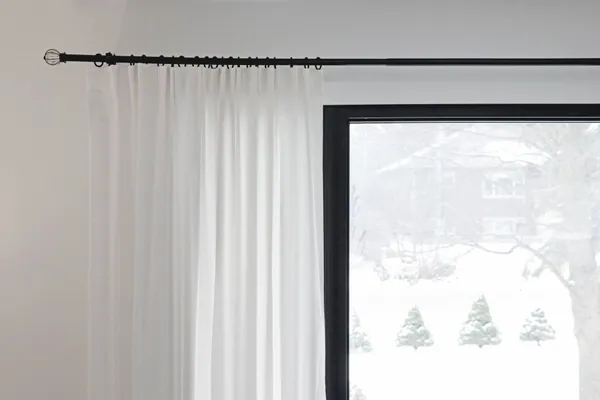
Taking down requires caution because soot can rust or weaken the hardware, and old fittings can snap under normal pressure.
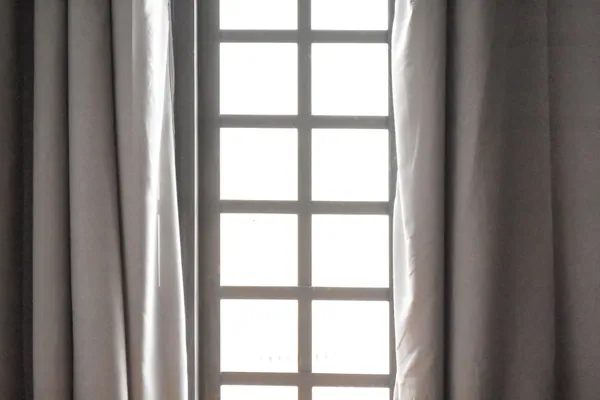
Dry vacuum and shake-out are vital steps before any water, because they remove the most soot before washing, making the chemical treatment much more effective.
Black soot marks and darkened edges need treatment with solutions designed for hydrocarbon residues, not organic stains that regular spotting handles.
Which method we use depends on the fabric type and how deep the soot has worked into it, so delicate fabrics get milder solutions and heavier synthetics can handle stronger treatments.
Drying demands very strong ventilation and gentle heat to remove both the moisture and any soot residue that washing loosened but did not fully lift.
Cotton, linen, velvet, blackout weave and synthetic sheers do not take the same heat or the same solution.
Before any water.
A water spot at the hem is not treated like a greasy film near a kitchen.
We loosen what has bonded inside the fibres across the full panel, both faces and top to hem, with the method that suits the fabric, while the curtains stay on the rail so the drape is not disturbed.
The loosened dirt and water are pulled back out in the same pass.
We go over the panels with you before the team leaves.
Prince Fawaz South sits about 1 km from Prince Fawaz North and about 1 km from Al Shifa.
Open in Google MapsTesting the solution on a hidden fold is a step we treat as necessary, not optional.
We send a team, not a single worker.
The cleaning and extraction machines come with the team.
If a panel needs a tailor rather than a clean, we say so.
Photographs from real jobs carried out by the crew.












The commitment is simple enough to actually keep: we do not leave before you have seen the result and told us what you think of it.
South Jeddah runs from the port and the industrial city down towards Al Khumrah, and homes here sit between the sea and the heavy goods roads. The dust is darker and oilier than in the north, a mix of diesel soot and workshop grit, and it clings to net curtains, window sills and the tops of kitchen cupboards. Floors in the older low rise housing are often plain cement or ceramic tile that darkens where soot is walked in. Humidity from the coast adds mildew in bathrooms and a musty smell in stored fabrics.
We provide these in Prince Fawaz South too, and more than one can share a single visit.



