
We test before we clean
Testing the solution on a hidden fold is a step we treat as necessary, not optional.
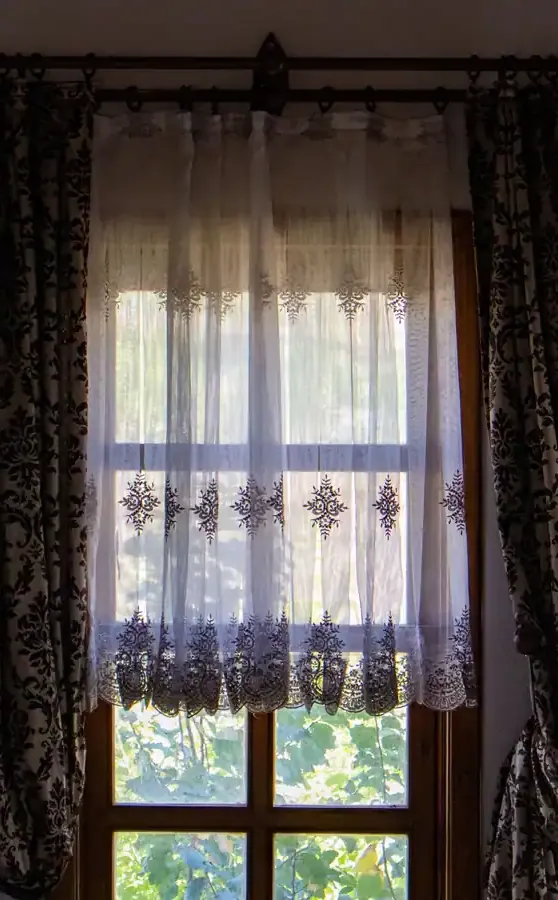
Al Hamra is an established upmarket district on the Red Sea waterfront, where villas stand alongside apartment towers and hotels. Salt and humidity are intense because the district sits directly on the water. Restaurant vapours and cooking oils rise through the buildings. Curtains here carry three layers of contamination at once: sea salt, cooking oil and fine dust. The work is nothing like inland districts.
Curtains here absorb three things together: salt crystals, restaurant cooking oil, and dust. Each one requires different handling, and together they create a problem that single-method cleaning cannot solve. For the method itself, see the full curtain cleaning page.
Al Hamra is studded with restaurants and cafes. Cooking vapour and oil drift upward into flats and villas every day. The oil clings to curtain fibres and holds kitchen odours for months. Upmarket flats do not accept lingering oil smell. Complete oil removal is not optional here, it is essential.
Salt, humidity and oil do not sit in layers that can be peeled off. Oil coats the salt, humidity drives between them, and the fabric darkens fast to dingy grey. Removing this combination without damaging expensive fabrics takes staged treatment of each layer, not a single wash.
Villas and hotels in Al Hamra choose silk and fine soft fabrics. Rough handling tears the fibres. Cleaning these fabrics needs knowledge of what they are and constant care. The method for silk is not the method for cotton, and a mistake shows immediately.
On the Red Sea shore between the Corniche and Madinah Road, densely built with villas and apartment towers, restaurants, cafes and shopping malls, exposed to continuous maritime air and cooking vapour.
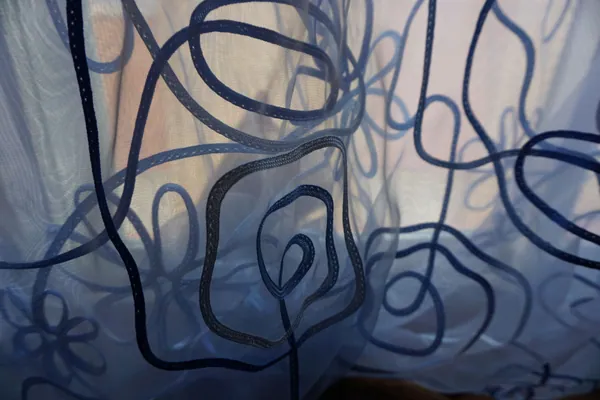
Luxury fabrics in Al Hamra are often silk or silk blend. We examine the weave first to see if salt and oil have already weakened the fibres.
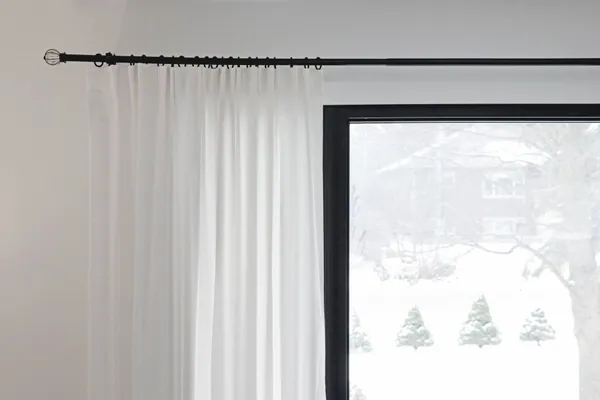
Taking down curtains carefully is essential because oil and salt may have already weakened the fabric without the weakness being obvious.
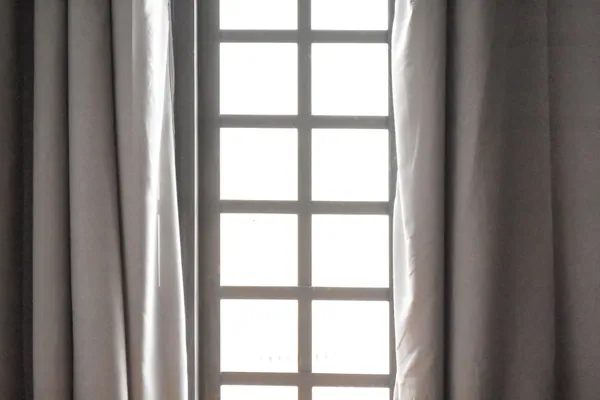
Dry vacuum first removes loose salt and dry oil before any water touches them. Water dissolves oil and drives it deeper into the weave.
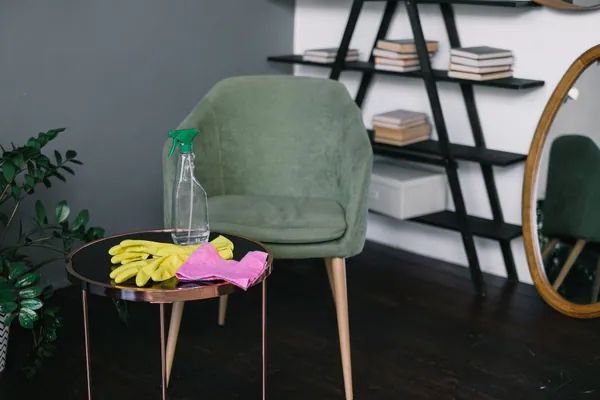
Oil stains are treated with products that target the grease before general salt treatment begins. The sequence matters.
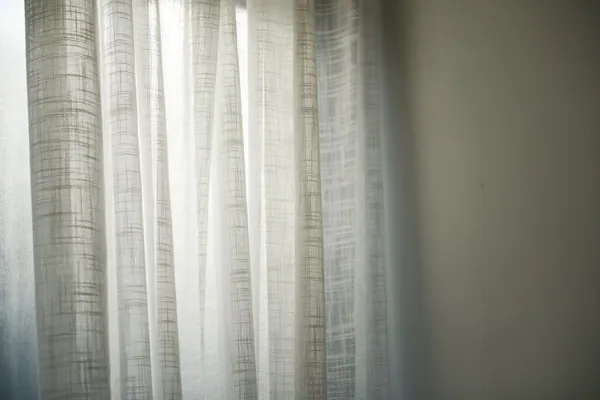
The cleaning method depends on fabric type. Silk and delicate weaves need gentler treatment than heavier cottons.
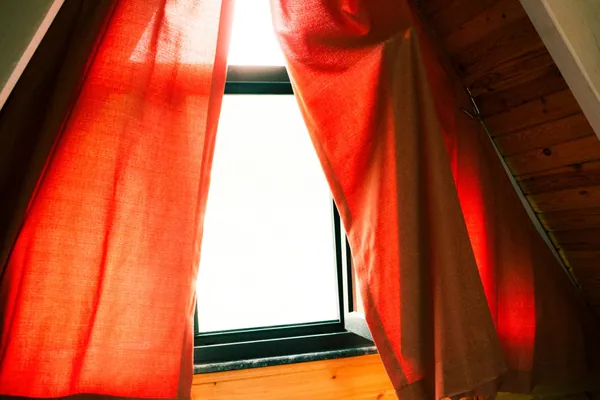
Drying in Al Hamra means ensuring no trace of oil or salt remains. Rehung curtains must be completely dry.
Cotton, linen, velvet, blackout weave and synthetic sheers do not take the same heat or the same solution.
Before any water.
A water spot at the hem is not treated like a greasy film near a kitchen.
We loosen what has bonded inside the fibres across the full panel, both faces and top to hem, with the method that suits the fabric, while the curtains stay on the rail so the drape is not disturbed.
The loosened dirt and water are pulled back out in the same pass.
We go over the panels with you before the team leaves.
Testing the solution on a hidden fold is a step we treat as necessary, not optional.
We send a team, not a single worker.
The cleaning and extraction machines come with the team.
If a panel needs a tailor rather than a clean, we say so.
Photographs from real jobs carried out by the crew.












The commitment is simple enough to actually keep: we do not leave before you have seen the result and told us what you think of it.
Coastal area: high humidity and salt air through the year
In an upmarket coastal district, salt, oil and humidity attack expensive fabrics from three directions at once. Cleaning here is not routine housework, it is rescue of silk and fine weaves from rapid degradation, while preserving softness and beauty.
We provide these in Al Hamra too, and more than one can share a single visit.



