
We test before we clean
Testing the solution on a hidden fold is a step we treat as necessary, not optional.
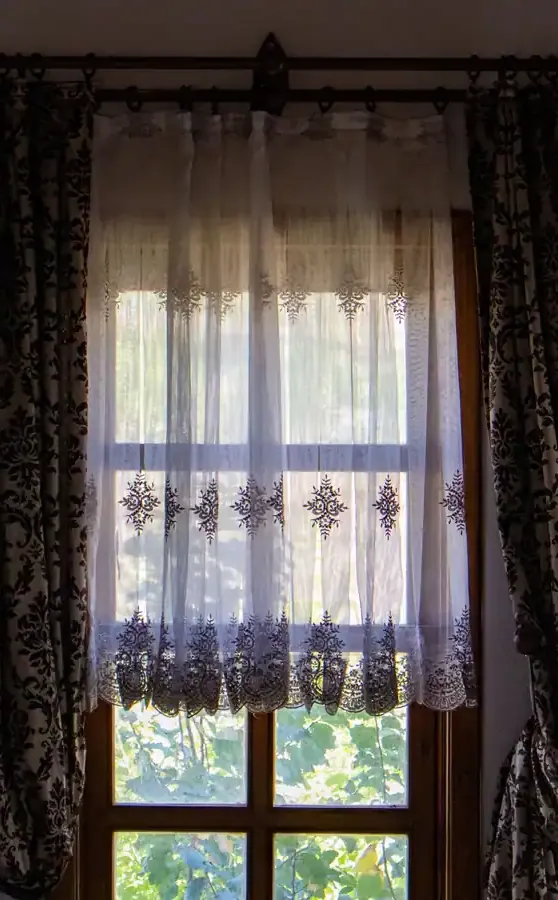
Wadi Mareekh, now called Al Taysir, is a newly developing district in eastern Jeddah experiencing constant building activity, with new villas and apartments rising among vacant plots and active excavations. New curtains fill quickly with fine construction sand and dust from digging. Cleaning needs care to avoid stripping the protective factory treatments from new fabrics.
Fine construction sand fills curtains at an exceptional rate, and dust from excavations is mixed and heavy. For the method itself, see what curtain cleaning involves.
Construction sites surround the district and excavations sit open. Fine building sand moves easily in under new doors and window frames and fills the curtain pleats.
Foundation and tank digging releases dust that is not dry alone but mixed with damp soil and water. This dust infiltrates quickly.
New curtains in modern homes carry manufacturer protective treatments. Strong cleaning products may remove these coatings.
Wadi Mareekh, now Al Taysir, is a development area in eastern Jeddah stretching along Palestine Street and King Abdullah Feeder Road, with active construction of new residential and commercial schemes bringing villas and apartments, plus Al Taysir Park and grand mosque.
Fabrics here are mostly new, pale colours are common, and original factory treatments need to be preserved.
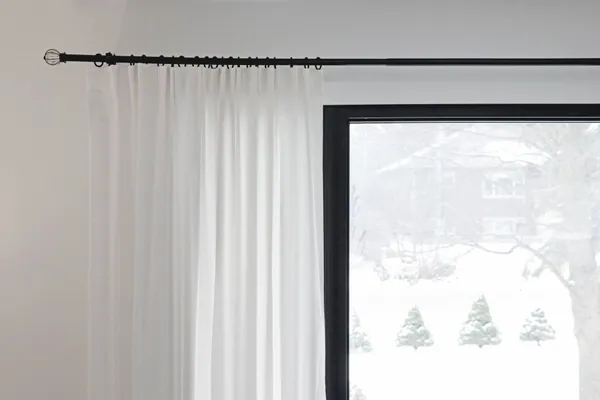
Removal is straightforward because mountings are new and smooth, but fabric may be delicate.
Dry vacuum is often enough because sand has not embedded in new fabric yet.
Dust mixed with damp needs very gentle scrubbing, not aggressive rubbing.
Washing uses warm water only and very gentle products that preserve the original factory treatments.
Drying is relatively quick, and rehang includes checking that factory treatments survived intact.
Cotton, linen, velvet, blackout weave and synthetic sheers do not take the same heat or the same solution.
Before any water.
A water spot at the hem is not treated like a greasy film near a kitchen.
We loosen what has bonded inside the fibres across the full panel, both faces and top to hem, with the method that suits the fabric, while the curtains stay on the rail so the drape is not disturbed.
The loosened dirt and water are pulled back out in the same pass.
We go over the panels with you before the team leaves.
New development: ongoing construction and vacant plots between the homes
A new development area means pollutants come from active construction, not from resident behaviour. New curtains need care because preserving original factory protection matters more than aggressive deep cleaning. Early and gentle beats late and strong.
Testing the solution on a hidden fold is a step we treat as necessary, not optional.
We send a team, not a single worker.
The cleaning and extraction machines come with the team.
If a panel needs a tailor rather than a clean, we say so.
Photographs from real jobs carried out by the crew.












The commitment is simple enough to actually keep: we do not leave before you have seen the result and told us what you think of it.
South Jeddah runs from the port and the industrial city down towards Al Khumrah, and homes here sit between the sea and the heavy goods roads. The dust is darker and oilier than in the north, a mix of diesel soot and workshop grit, and it clings to net curtains, window sills and the tops of kitchen cupboards. Floors in the older low rise housing are often plain cement or ceramic tile that darkens where soot is walked in. Humidity from the coast adds mildew in bathrooms and a musty smell in stored fabrics.
We provide these in Wadi Mareekh too, and more than one can share a single visit.



