
We test before we clean
Testing the solution on a hidden fold is a step we treat as necessary, not optional.
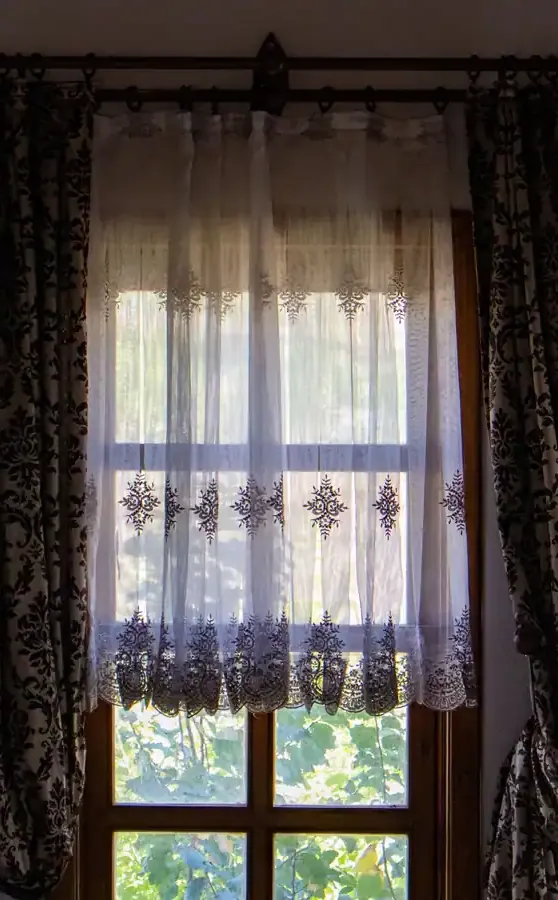
Petromin is a working class quarter in south Jeddah next to the Jeddah oil refinery, separated by a single main road. Curtains here absorb faint petroleum odour, fine oil mist and dust from the refinery boundary. Cleaning needs special handling of light oil and chemical smells that normal detergents do not fully remove.
Curtains in Petromin absorb faint petroleum smell and fine oil mist from the refinery even when windows are closed. The odour is subtle but persistent. For the method itself, see how we approach curtain cleaning.
An industrial refinery releases fine oil that drifts on the air and falls with it. Curtains facing the refinery accumulate this mist gradually. It settles as an invisible film that clogs the weave and hides the true colour of the fabric.
Hydrocarbon smells embed themselves differently than food or dust smells. They are chemical odours that bond deeply and need repeated rinsing. Faint traces may persist even after professional cleaning and full drying.
New quarters built after slum clearance have unpaved roads and ongoing construction nearby. All of this raises dust that mixes with the oil and odour already settling on fabric.
A working class residential district in the old quarantine area of south Jeddah, adjacent to Jeddah Refinery, rebuilt under the city's housing and replanning programme.
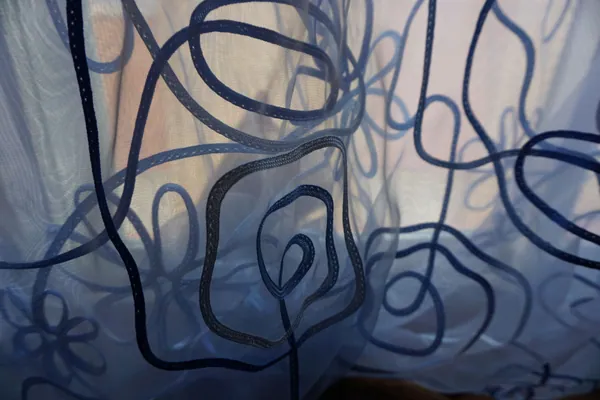
Fabrics in Petromin carry a light oil film that needs careful inspection to determine the depth of saturation before treatment selection.
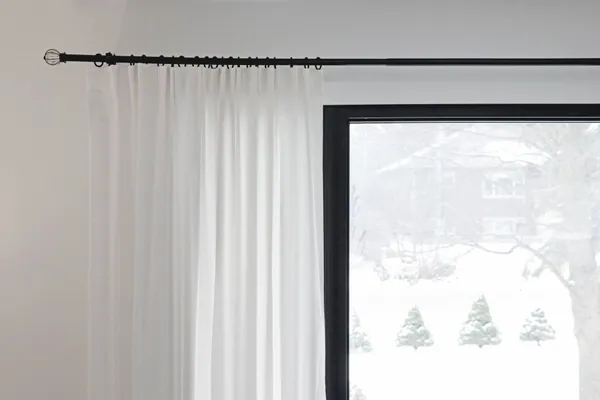
Removal of curtains from homes near the refinery requires caution not to transfer oil from fixtures to the fabric during handling.
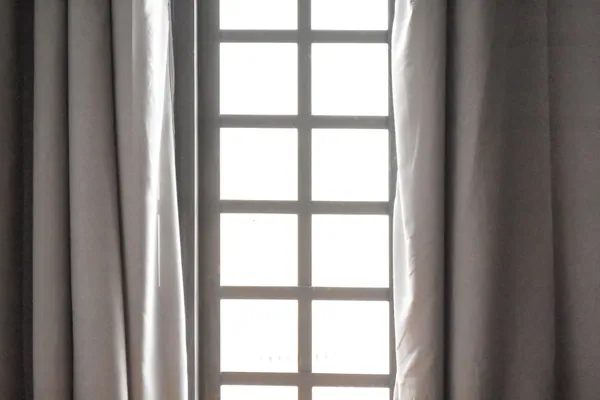
Dry vacuum is essential to clear dust that is stuck to the oil before water is introduced to the fabric.
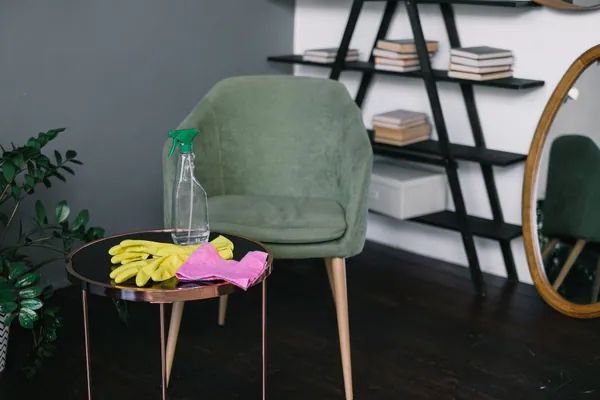
Oil stains from the refinery are treated with specialist cleaners that break down petroleum without spreading it through the weave.
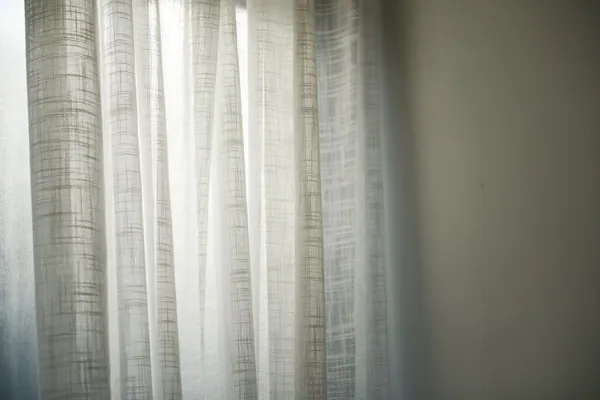
Cleaning includes repeated rinsing with very clean water to remove all oil residue and chemical smell together.
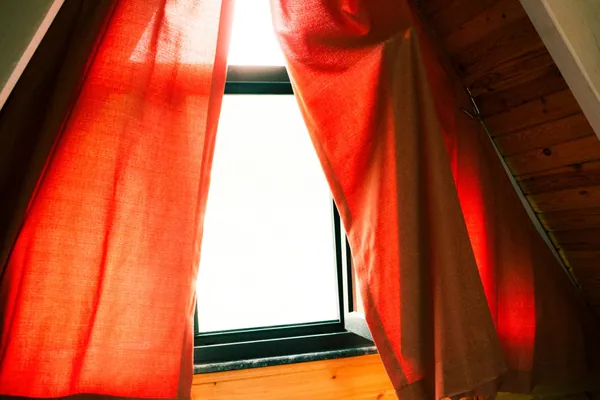
Rehang involves thorough drying and good ventilation to clear final traces of odour before returning the curtains to the home.
Cotton, linen, velvet, blackout weave and synthetic sheers do not take the same heat or the same solution.
Before any water.
A water spot at the hem is not treated like a greasy film near a kitchen.
We loosen what has bonded inside the fibres across the full panel, both faces and top to hem, with the method that suits the fabric, while the curtains stay on the rail so the drape is not disturbed.
The loosened dirt and water are pulled back out in the same pass.
We go over the panels with you before the team leaves.
Testing the solution on a hidden fold is a step we treat as necessary, not optional.
We send a team, not a single worker.
The cleaning and extraction machines come with the team.
If a panel needs a tailor rather than a clean, we say so.
Photographs from real jobs carried out by the crew.












The commitment is simple enough to actually keep: we do not leave before you have seen the result and told us what you think of it.
Petromin stands beside Jeddah Refinery directly on Al Falah Road between Al Nujoom Roundabout and the refinery boundary. From this location we reach your homes easily with equipment designed for light industrial contamination.
We provide these in Petromin too, and more than one can share a single visit.



