
We test before we clean
Testing the solution on a hidden fold is a step we treat as necessary, not optional.
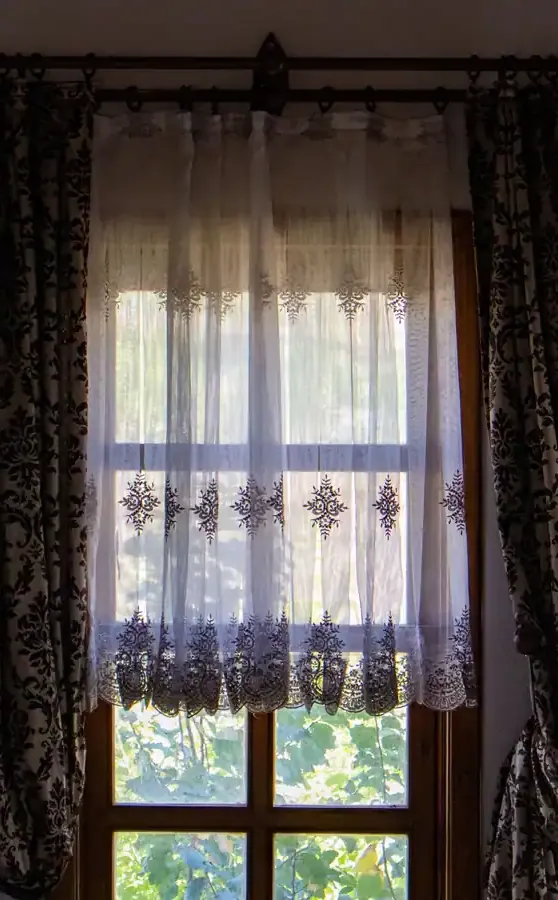
Al Mahjar is a south Jeddah district between heavy roads and the sea, and curtains here carry something darker than ordinary dust: diesel soot from trucks and refinery air. The humidity from the coast traps the soot in the weave and turns it black and oily. Curtains look old fast in this district.
The dust here is darker and oilier than in the north, diesel soot falling from vehicles and trucks, and grit from the warehouses. For the method itself, see our curtain cleaning service in detail.
Heavy trucks and the refinery nearby mean black oily dust. Coastal humidity traps this soot in the cloth. The curtains do not clean with water alone because the soot is locked in the threads and has oils that repel water.
The home is close to the coast, humidity is high and salt may enter on the air. Moisture traps smell in the curtains. A musty odour builds in stored fabrics, and curtains that do not dry quickly take on a stale smell.
Older homes have plain cement or dated ceramic tile floors, and soot gets walked in from shoes and stays. A dark floor means a dark indoor world, and the curtains reflect it.
Al Mahjar sits southwest of Al Waziriyah toward the coast, hosting King Abdulaziz Hospital and other medical facilities, crossed by King Faisal Road and Al Mahjar Street, close to the port and refinery.
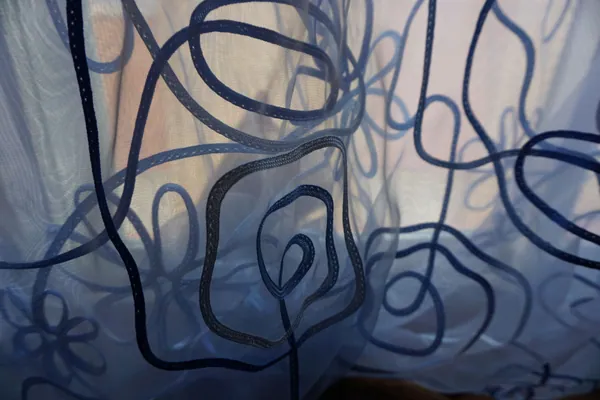
The fabric here is mixed between sheer and heavy, sheer shows the soot and heavy hides it inside.
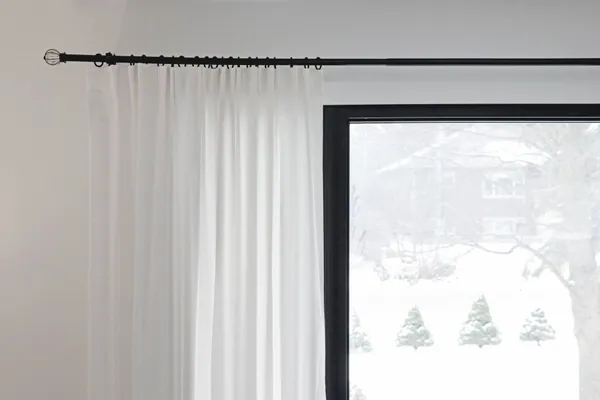
Removing them needs care because soot may grease the rings and the hangings may be weak from humidity.
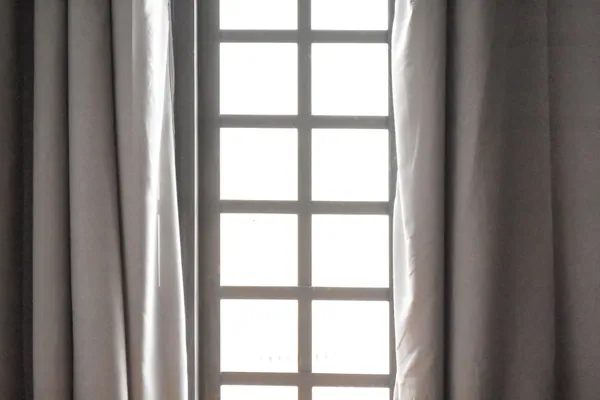
Dry vacuum takes a long time because oily soot does not vacuum easily.
Stains from soot and salt need separate and stronger treatment.
Cleaning needs moderate heat because soot requires warmth to break the oil down.
Rehanging and drying need strong ventilation because moisture will trap the smell again.
Cotton, linen, velvet, blackout weave and synthetic sheers do not take the same heat or the same solution.
Before any water.
A water spot at the hem is not treated like a greasy film near a kitchen.
We loosen what has bonded inside the fibres across the full panel, both faces and top to hem, with the method that suits the fabric, while the curtains stay on the rail so the drape is not disturbed.
The loosened dirt and water are pulled back out in the same pass.
We go over the panels with you before the team leaves.
Testing the solution on a hidden fold is a step we treat as necessary, not optional.
We send a team, not a single worker.
The cleaning and extraction machines come with the team.
If a panel needs a tailor rather than a clean, we say so.
Photographs from real jobs carried out by the crew.












The commitment is simple enough to actually keep: we do not leave before you have seen the result and told us what you think of it.
South Jeddah runs from the port and the industrial city down towards Al Khumrah, and homes here sit between the sea and the heavy goods roads. The dust is darker and oilier than in the north, a mix of diesel soot and workshop grit, and it clings to net curtains, window sills and the tops of kitchen cupboards. Floors in the older low rise housing are often plain cement or ceramic tile that darkens where soot is walked in. Humidity from the coast adds mildew in bathrooms and a musty smell in stored fabrics.
We provide these in Al Mahjar too, and more than one can share a single visit.



