
We test before we clean
Testing the solution on a hidden fold is a step we treat as necessary, not optional.
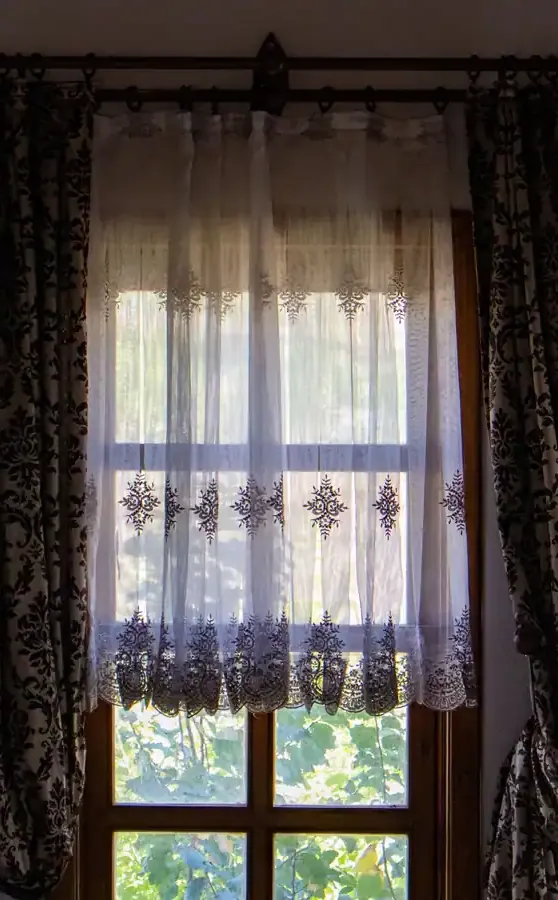
Um Hablain West is a mixed district where homes sit above shops, and curtains here face a double pressure: dust from relatively modern roads and cooking fumes rising from ground floor businesses. Humidity from air conditioning and constant movement means curtains soil faster than in purely residential neighbourhoods, requiring more frequent and more targeted attention.
Curtains in flats above shops collect cooking oils and odours far more rapidly than those in purely residential buildings, and each type of soiling demands separate treatment before washing. For the method itself, see how we approach curtain cleaning.
Ground floor businesses release oils and cooking vapours that rise into upper flats and cling to curtain cloth. These pollutants are not dust: they are oily, sticky, and require separate chemical treatment before water washing can work. Dry vacuum and shaking alone leave them behind.
Relatively newer streets in the district generate fine dust that drifts through open windows. This ultrafine dust penetrates deeper into the weave than coarser particles and settles in to stay. Simple dry methods cannot reach it; wet treatment is usually necessary for thorough removal.
Central air conditioning in mixed-use flats raises indoor humidity, which makes dust and oil particles stick harder to fibres. Quick and complete drying after cleaning becomes essential here to prevent rapid re-soiling and to create a barrier against moisture that would otherwise reopen the cloth.
The district lies near King Abdulaziz International Airport with busier streets, and ground floor shops release oils and fumes that rise into upper flats, leaving traces on every curtain hanging above them.
Curtains above shops hold a mix of oils and fine dust, so we inspect carefully first to identify the fabric and the exact mix of soiling before choosing the cleaning approach for this flat.
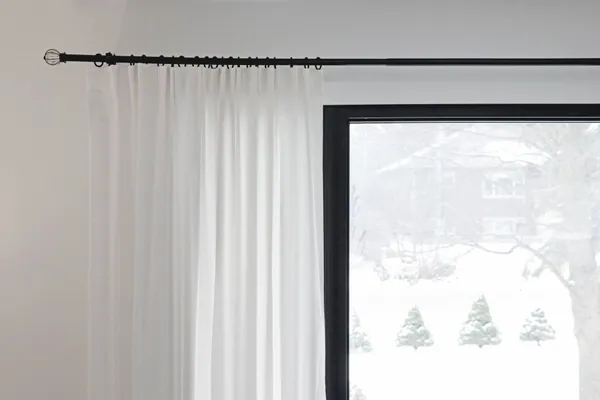
Removal requires care because aluminium rails and hooks corrode quickly from moisture and shop fumes, so we use tools that will not scratch and work at a pace that does not stress the hardware.
Dry vacuum first removes loose dust and surface oils, but oily vapour deposits need chemical pre-treatment before rinsing with water can work effectively and leave no residue or smell.
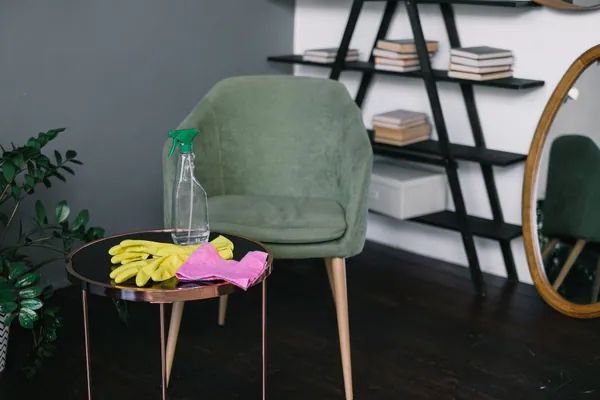
Greasy marks from shop vapours are treated with a specialised mix that breaks oil bonds safely, while white mineral marks from moisture need separate treatment to avoid colour shift or damage.
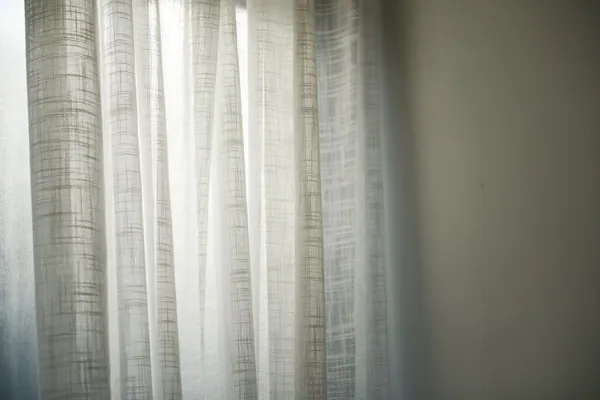
Cleaning method is set by fabric type and the degree of soiling: delicate fabrics need a gentle hand, heavy ones need more pressure, and oily soil always needs a different approach than dust alone.
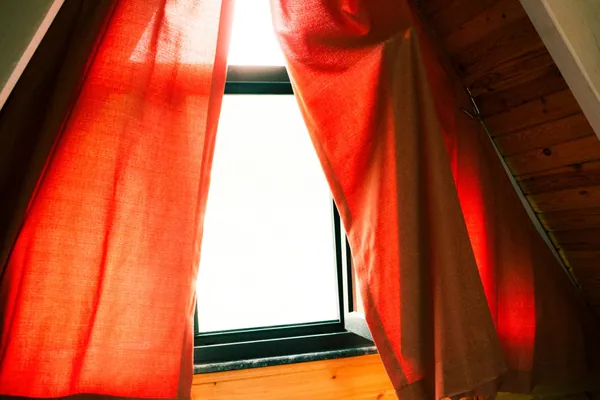
Controlled drying is essential here because the flat's humidity may reopen fibre pores if we dry too slowly, so we use moderate heat with continuous air flow to seal the fabric and resist new soiling.
Cotton, linen, velvet, blackout weave and synthetic sheers do not take the same heat or the same solution.
Before any water.
A water spot at the hem is not treated like a greasy film near a kitchen.
We loosen what has bonded inside the fibres across the full panel, both faces and top to hem, with the method that suits the fabric, while the curtains stay on the rail so the drape is not disturbed.
The loosened dirt and water are pulled back out in the same pass.
We go over the panels with you before the team leaves.
Mixed district: shops at street level with homes above them
Mixed district means curtains in the same flat face varied pollutants: road dust from the window and shop fumes from below. This requires flexibility in method, treating each area of the curtain according to what type of soiling sits in it and adjusting the approach zone by zone.
Testing the solution on a hidden fold is a step we treat as necessary, not optional.
We send a team, not a single worker.
The cleaning and extraction machines come with the team.
If a panel needs a tailor rather than a clean, we say so.
Photographs from real jobs carried out by the crew.












The commitment is simple enough to actually keep: we do not leave before you have seen the result and told us what you think of it.
Um Hablain West sits close to King Abdulaziz International Airport and Ofuq Al Khail Equestrian Academy, and this location shapes how we reach you and schedule the visit according to traffic flow and the proximity of the main landmarks to your street.
We provide these in Um Hablain West too, and more than one can share a single visit.



