
We test before we clean
Testing the solution on a hidden fold is a step we treat as necessary, not optional.
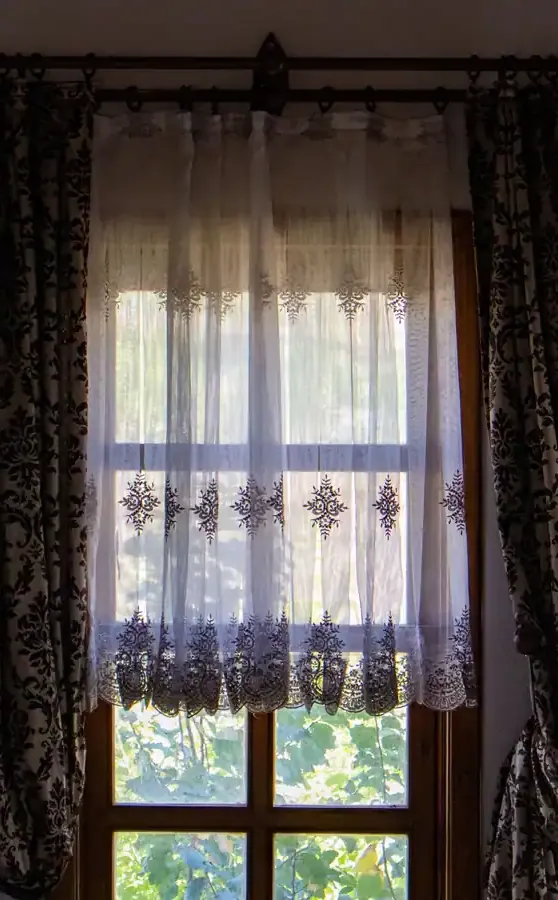
Al Quraiyat is an old working-class quarter in south Jeddah, with densely occupied apartment blocks and small shops at ground level. The district sits between the port and the industrial city on one side, and the heavy goods roads on the other. The dust is darker and more oily than anywhere in north Jeddah: a mixture of diesel soot and workshop grit that clings to fabric and does not brush away. Add coastal humidity and the curtains hold a musty smell that ordinary drying does not lift.
Curtains carry dark diesel soot and metal dust, and they trap coastal humidity that causes a persistent musty odour in enclosed spaces, especially storage areas. For the method itself, see what curtain cleaning involves.
The port and industrial zone nearby release diesel exhaust and metal particles from heavy machinery and wear. This is not light airborne dust but a heavier, oilier contamination from high-power engines and the wear of heavy metal components. It clings stubbornly to fibres and plain water does not shift it. Pre-treatment is essential to break down the oil before washing can work.
The sea is close enough to raise humidity constantly, and old building basements and bathrooms are prone to mildew already. Curtains trap both moisture and odour, becoming heavy with damp and carrying a permanent stale smell. An open window or a humid day makes the curtain feel slightly damp all the time, and the smell settles deep into the weave.
Floors in the older low-rise housing are plain cement or old ceramic tile that darkens where soot is walked in, and the tiles stay grimy because grease embedded in the cement is never fully mopped away. Roof tank water leaves grey sediment rings in basins and baths. Curtains hanging in these spaces are affected by floor damp that rises and by the general dampness that older pipework allows.
The district lies between Al Thaalibah to the west and the Nazlah quarters to the east, with the industrial zone and port facilities very close by. Heavy vehicles move through the adjacent roads throughout the day and night.
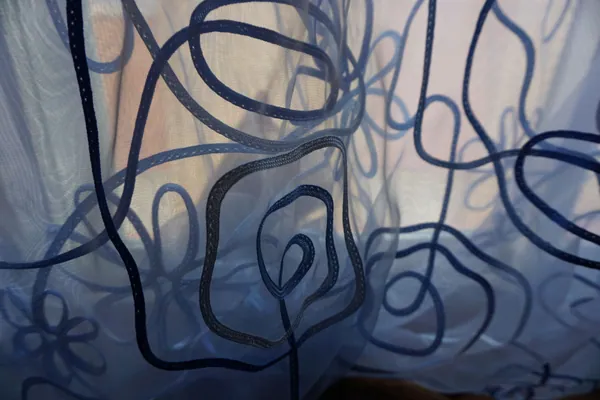
Fabric is often decades old, natural cotton or a blend that has been weakened over years of exposure to humidity, soot and industrial particles.
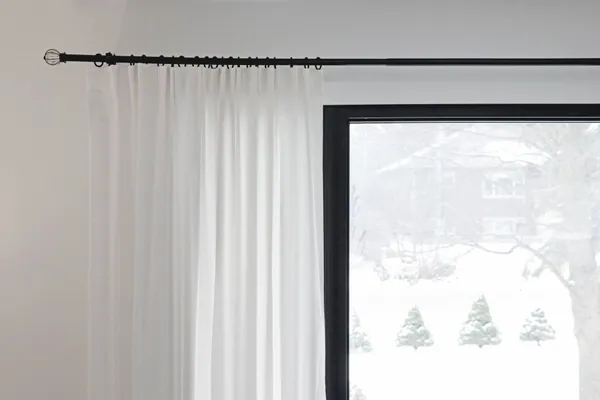
Removal requires extra care because fittings and wires may be corroded by moisture or simply loose from age.
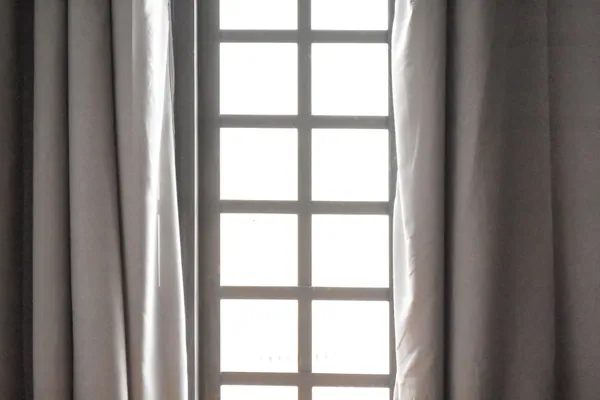
Dry vacuum may need gentle suction because old fabric can tear easily if the suction is too strong.
Soot and oils need solvent pre-treatment before soap and water, and heavy black marks may require overnight soaking to break down.
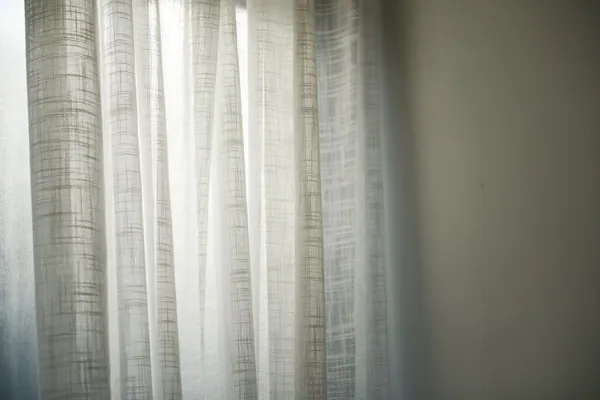
Washing in warm but not hot water to avoid damaging old fabric, using specialist soap suited to cutting through oil.
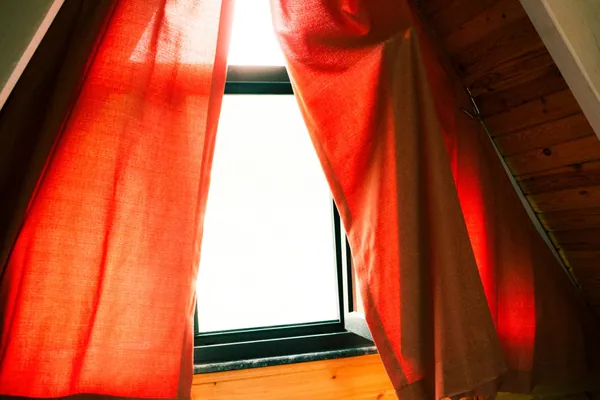
Drying needs good air flow and sunlight if possible; the curtain may need many hours of thorough drying to prevent mildew from returning.
Cotton, linen, velvet, blackout weave and synthetic sheers do not take the same heat or the same solution.
Before any water.
A water spot at the hem is not treated like a greasy film near a kitchen.
We loosen what has bonded inside the fibres across the full panel, both faces and top to hem, with the method that suits the fabric, while the curtains stay on the rail so the drape is not disturbed.
The loosened dirt and water are pulled back out in the same pass.
We go over the panels with you before the team leaves.
Al Quraiyat sits close to the College of Telecommunications and Electronics, and Al Kulliyah Mosque is nearby too. When we confirm the address with you, using these landmarks helps us pinpoint the exact block because the district is dense and the streets are similar, making these reference points valuable for navigation.
Testing the solution on a hidden fold is a step we treat as necessary, not optional.
We send a team, not a single worker.
The cleaning and extraction machines come with the team.
If a panel needs a tailor rather than a clean, we say so.
Photographs from real jobs carried out by the crew.












The commitment is simple enough to actually keep: we do not leave before you have seen the result and told us what you think of it.
South Jeddah runs from the port and the industrial city down towards Al Khumrah, and homes here sit between the sea and the heavy goods roads. The dust is darker and oilier than in the north, a mix of diesel soot and workshop grit, and it clings to net curtains, window sills and the tops of kitchen cupboards. Floors in the older low rise housing are often plain cement or ceramic tile that darkens where soot is walked in. Humidity from the coast adds mildew in bathrooms and a musty smell in stored fabrics.
We provide these in Al Quraiyat too, and more than one can share a single visit.



