
We test before we clean
Testing the solution on a hidden fold is a step we treat as necessary, not optional.
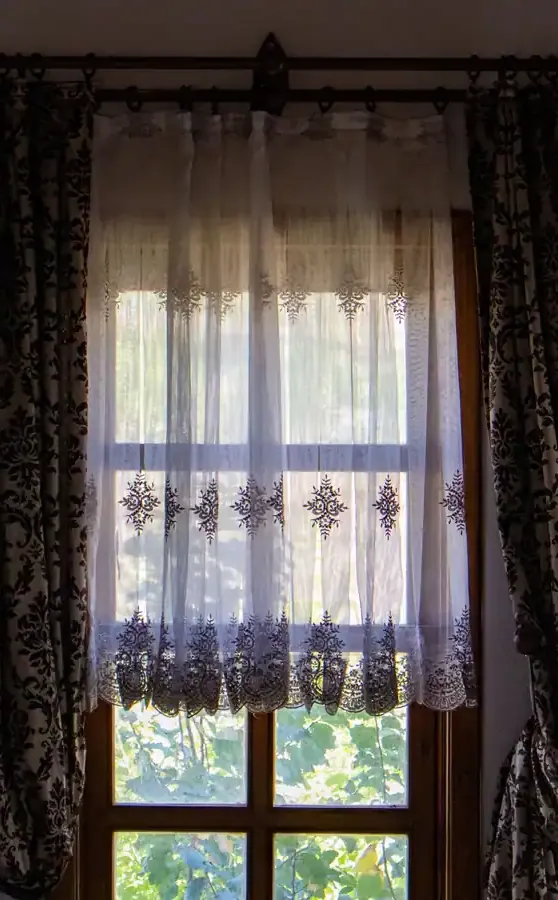
Al Wadi is an industrial area in south Jeddah with licensed warehouses, storage facilities and heavy goods loading yards. Curtains in homes here face black diesel soot from truck exhausts, greasy dust from workshops, and salt from coastal humidity all at once. The mixture sticks to the weave and does not come away with ordinary household washing, making specialist cleaning not a choice but a necessity.
Black diesel soot from truck engines leaves a visible coating on glass and sheer curtains before the end of the day, and coastal humidity makes the soot stick rather than fall away on its own. For the method itself, see the full curtain cleaning page.
Heavy goods vehicles pass through Nasser bin Eid Street and Al Wadi roads daily, releasing black diesel smoke from engines that settles on every surface. Curtains trap this soot in their weave so they turn black even if they started white, and ordinary washing does not remove it because soot is not water soluble without treatment.
Workshops around the district release dust mixed with engine oils and grease. This dust enters homes and settles on curtains as a sticky layer that blocks air flow and traps smells inside the weave, making the curtain heavy and dark.
The sea is close, so humidity is high around Al Wadi. This moisture makes soot and grease stick to threads instead of falling when tapped, and salt from the air adds another crystalline layer on top of the greasy one, making it waterproof.
Al Wadi lies in south Jeddah with modern licensed storage facilities and organized streets like Nasser bin Eid and King Faisal Branch Road, positioned within the commercial and industrial belt that runs through this part of the city near Al Khumrah.
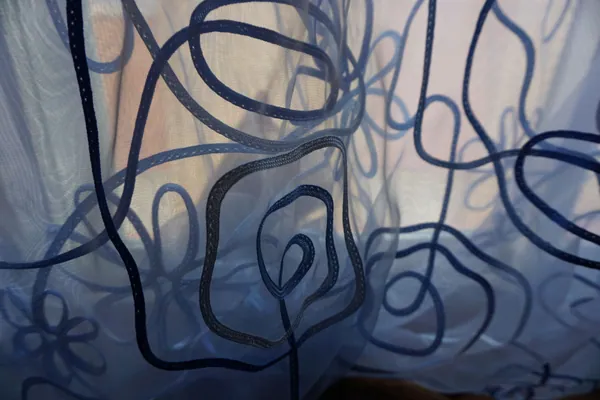
Fabrics in Al Wadi are usually cotton or reasonable blend, but soot and grease buildup have made them stiff and yellowed, which returns to normal only after specialist cleaning.
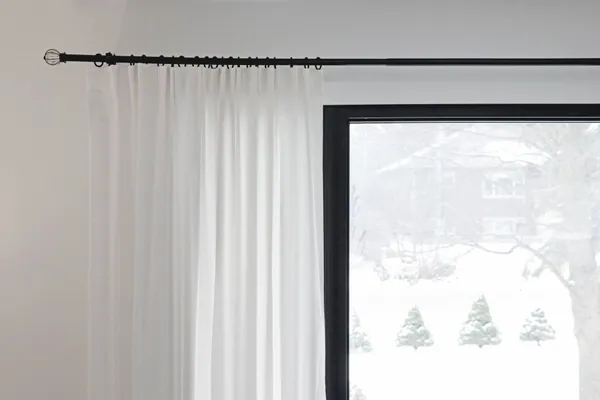
Rods and fixings may be coated with dry soot, so the rod itself is cleaned first before the curtain is rehung, to prevent recontamination immediately after cleaning.
Dry vacuum is vigorous but insufficient because soot is sticky and adheres to the weave, so specialist chemical treatment precedes vacuuming to break the soot's bond first.
Soot and grease stains are treated together with an oil-breaker agent, not separately, because they are bound to each other and must be dissolved as one layer.
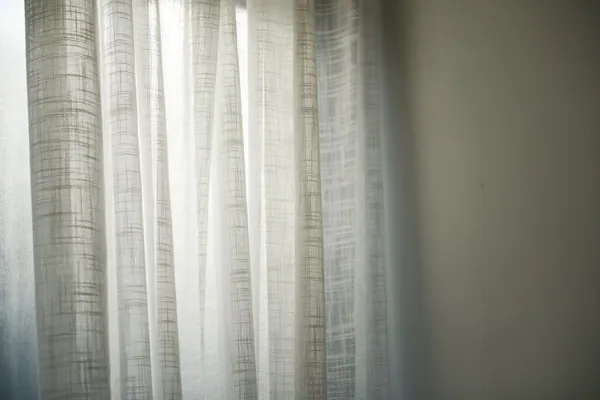
Washing uses warm water with initial specialist treatment then repeated rinsing to ensure every trace of oil and salt residue is gone, or they will set again when dry.
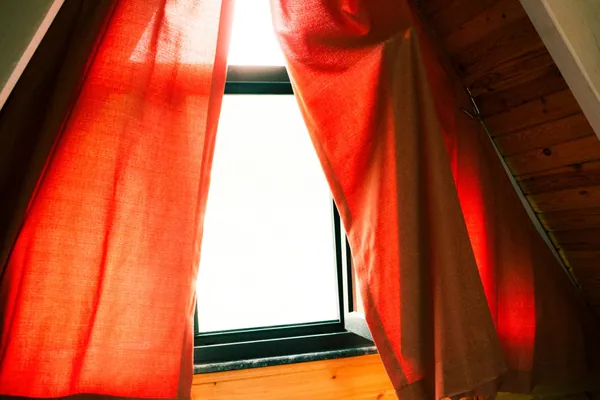
Drying happens in open air but away from the main roads, so curtains do not absorb fresh soot while still damp from the clean, which would undo the work.
Cotton, linen, velvet, blackout weave and synthetic sheers do not take the same heat or the same solution.
Before any water.
A water spot at the hem is not treated like a greasy film near a kitchen.
We loosen what has bonded inside the fibres across the full panel, both faces and top to hem, with the method that suits the fabric, while the curtains stay on the rail so the drape is not disturbed.
The loosened dirt and water are pulled back out in the same pass.
We go over the panels with you before the team leaves.
Industrial area: workshops, warehouses and loading yards
In an industrial zone, curtains do not face ordinary dust but a combination that is hard to reverse: black soot from truck engines that sticks because of humidity, and workshop oil that seals each layer underneath.
Testing the solution on a hidden fold is a step we treat as necessary, not optional.
We send a team, not a single worker.
The cleaning and extraction machines come with the team.
If a panel needs a tailor rather than a clean, we say so.
Photographs from real jobs carried out by the crew.












The commitment is simple enough to actually keep: we do not leave before you have seen the result and told us what you think of it.
South Jeddah runs from the port and the industrial city down towards Al Khumrah, and homes here sit between the sea and the heavy goods roads. The dust is darker and oilier than in the north, a mix of diesel soot and workshop grit, and it clings to net curtains, window sills and the tops of kitchen cupboards. Floors in the older low rise housing are often plain cement or ceramic tile that darkens where soot is walked in. Humidity from the coast adds mildew in bathrooms and a musty smell in stored fabrics.
We provide these in Al Wadi too, and more than one can share a single visit.



