
We test before we clean
Testing the solution on a hidden fold is a step we treat as necessary, not optional.
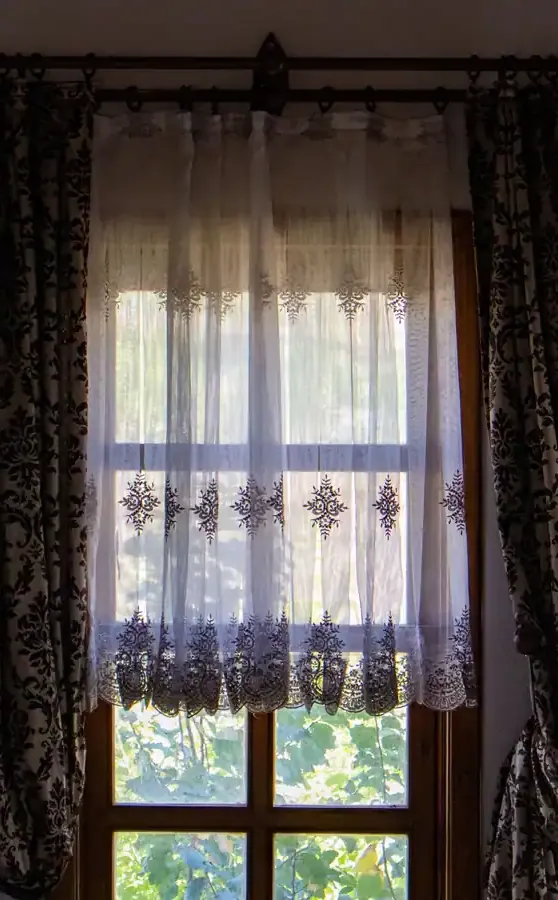
Mareekh is a small district at the foot of the Mareekh Mountains in east Jeddah, distant from the sea and close to open ground and rocky terrain. The air here is drier and harsher than on the coast, and dust from the hills, valleys and seasonal dryness settles fast on every surface and penetrates deep into curtains.
Dust in Mareekh differs from coastal dust: coarser, paler and more adhesive, because it comes from fractured stone and rock rather than salt and humidity. For the method itself, see our curtain cleaning service in detail.
The location at the foot of mountains means dry air that pulls moisture from everything, and hill dust is coarser and finer than coastal dust at once. Curtains need different treatment because severe dryness can make fabric brittle if harsh products are used.
Wadi Al Qaws is close by, and wind from the valleys and hillsides brings fine stone and sand dust. This dust mixes with seasonal rain moisture and settles on curtains with more force than in flat residential areas.
Seasonal rains bring sudden humidity after months of dryness, penetrating curtains and leaving salt and dust marks. Dry periods leave fabric parched, rainy periods add moisture, so cleaning must account for these rapid swings.
Mareekh sits at the base of the Mareekh Mountains near Wadi Al Qaws, within the hills and valley belt east of the city, with simple residential character and rocky terrain surrounding it on all sides.
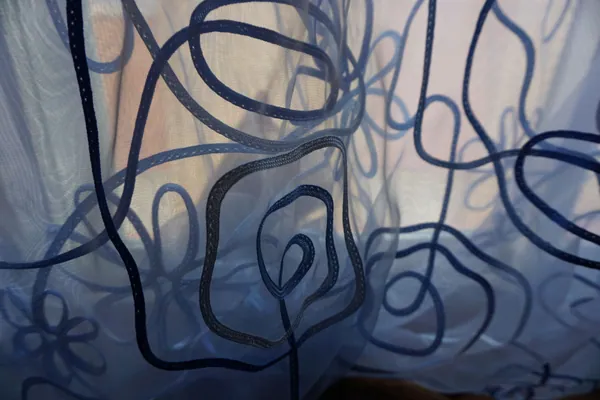
Fabric inspection focuses on delicate fabrics that are sensitive to severe dryness, and heavy textiles that need time in humidity. We test every fabric carefully.
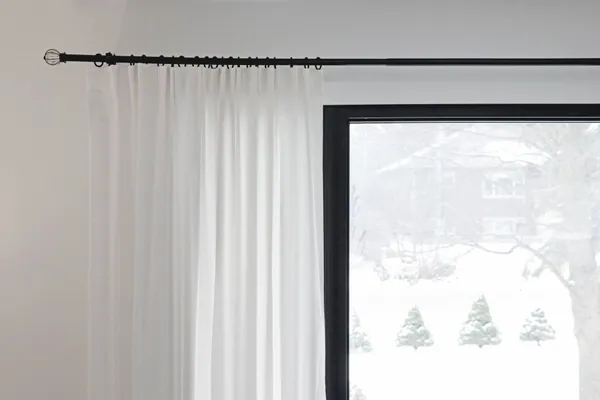
Taking down curtains requires care from the rails because the dry air makes fabric taut and metal fittings stay hot in direct sun.
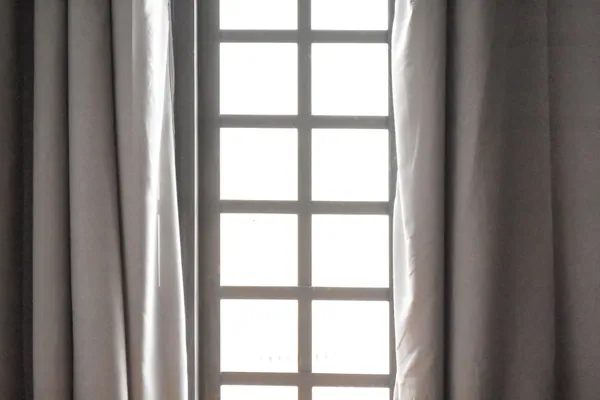
Dry vacuum comes before any water to remove coarse dust that would scratch the fabric if left with moisture.
Marks from dust mixed with rain moisture are treated with gentle solutions, not harsh products that would dry the fabric further.
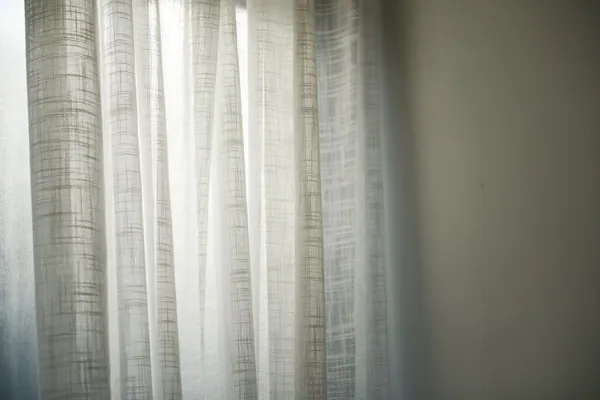
Cleaning method depends on current air humidity: during very dry periods we use lighter solutions, during rainy periods we use slightly stronger ones.
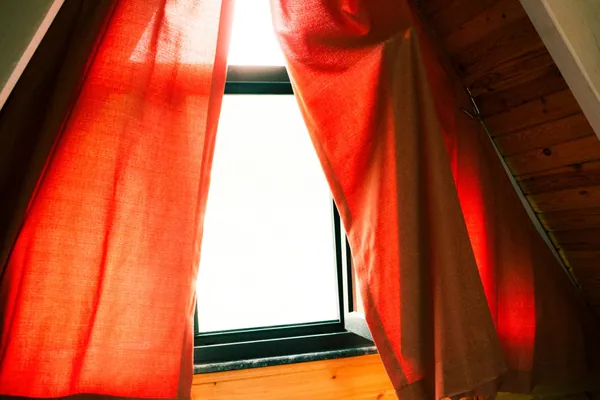
Rehang happens after thorough slow drying, and we air-dry them in shade to ensure even drying with no salt residue.
Cotton, linen, velvet, blackout weave and synthetic sheers do not take the same heat or the same solution.
Before any water.
A water spot at the hem is not treated like a greasy film near a kitchen.
We loosen what has bonded inside the fibres across the full panel, both faces and top to hem, with the method that suits the fabric, while the curtains stay on the rail so the drape is not disturbed.
The loosened dirt and water are pulled back out in the same pass.
We go over the panels with you before the team leaves.
Testing the solution on a hidden fold is a step we treat as necessary, not optional.
We send a team, not a single worker.
The cleaning and extraction machines come with the team.
If a panel needs a tailor rather than a clean, we say so.
Photographs from real jobs carried out by the crew.












The commitment is simple enough to actually keep: we do not leave before you have seen the result and told us what you think of it.
East Jeddah lies furthest from the sea and closest to the open ground and hills beyond the ring roads, so the air is drier and the dust is coarser and paler than on the coast. It comes in under doors and settles on every flat surface overnight, making sofas, mattresses and curtains the heaviest part of the routine. Floors are mostly ceramic tile in the apartment districts and marble in the villa areas, both scratched by grit that is mopped rather than swept. Roof tank water leaves a grey film of sediment in baths and basins.
We provide these in Mareekh too, and more than one can share a single visit.



