
We test before we clean
Testing the solution on a hidden fold is a step we treat as necessary, not optional.
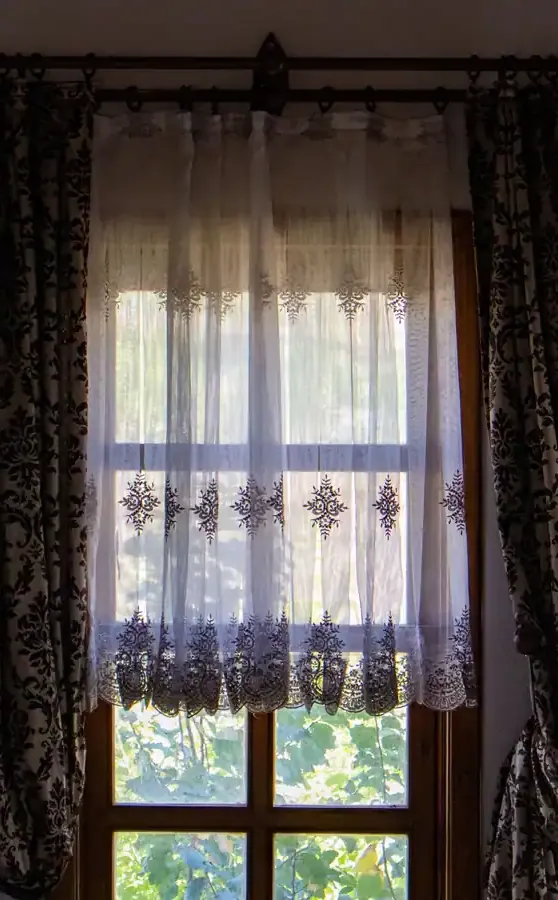
Al Qawzain is a small coastal strip at the far southern edge of Jeddah on the Southern Corniche, an old seaside settlement near a sewage treatment works and an iron factory. Curtains here face a unique mixture of sea salt and heavy diesel soot from the port and factories, dense fumes that bond deep into the fabric.
Curtains carry a layer of black soot mixed with white salt crystals, and deep diesel fuel smell trapped in the yarn structure. For the method itself, see our guide to curtain cleaning.
Sea salt here is never pure but blended with diesel soot from trucks and ships, creating a thick layer on curtains that is extremely difficult to remove.
Diesel and heavy fuel smells enter the yarn structure and persist even after washing. The odour is harsher than cooking smell from shops and much harder to disperse.
High sea humidity carries industrial fumes and salt and soot with it. Curtains trap not just moisture but a thick combination of deeply bonded substances.
The southern coastal location sits next to industrial facilities and the port, with warehouses and open beach, humidity extremely high and air thick with industrial odours.
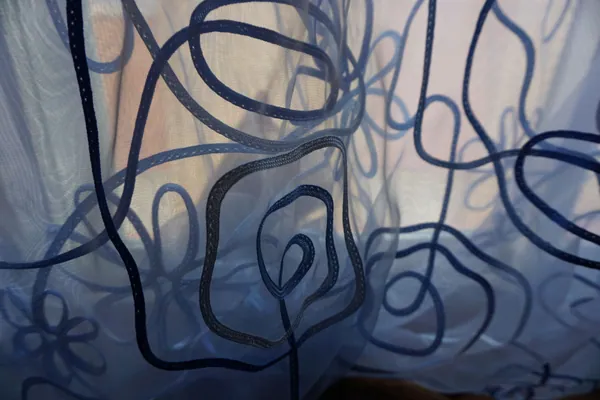
Fabrics are typically simple and old from popular seaside housing, often not imported quality.
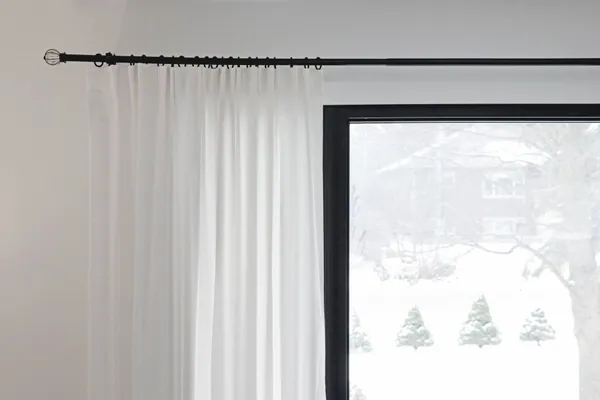
Metal fittings are extremely simple and may be heavily corroded by salt and soot completely.
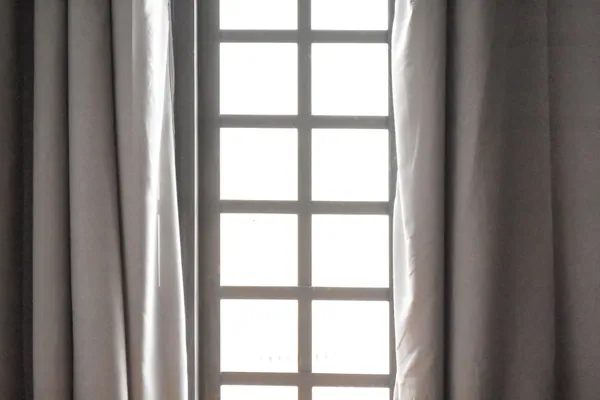
Dry vacuum must be gentle because salt and soot may have formed a hard crust that is bonded.
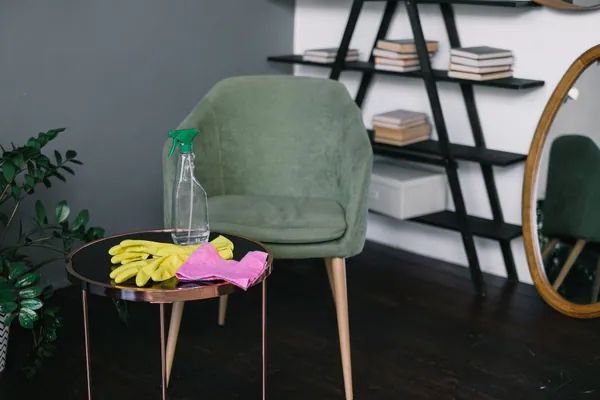
Dark and deep stains need dual treatment: mild acid to break down salt, then light solvent for soot.
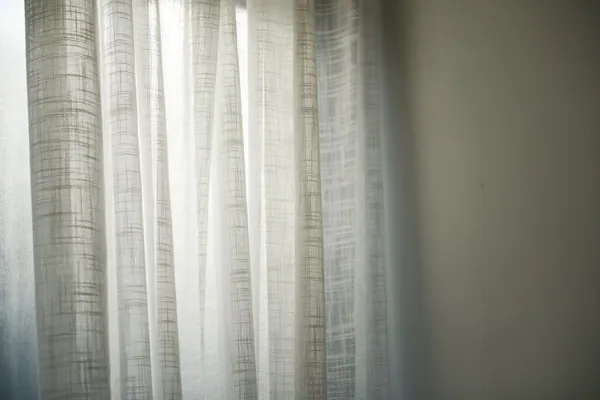
Washing requires extended warm water and continuous rinsing; hot water must be avoided as it may set soot permanently.
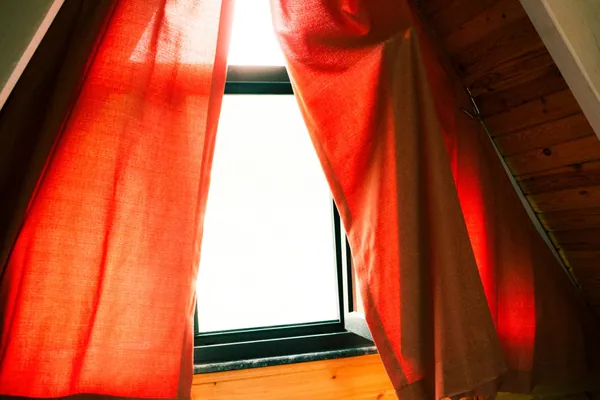
Drying must be in very high ventilation away from the port and factories to prevent new contamination settling.
Cotton, linen, velvet, blackout weave and synthetic sheers do not take the same heat or the same solution.
Before any water.
A water spot at the hem is not treated like a greasy film near a kitchen.
We loosen what has bonded inside the fibres across the full panel, both faces and top to hem, with the method that suits the fabric, while the curtains stay on the rail so the drape is not disturbed.
The loosened dirt and water are pulled back out in the same pass.
We go over the panels with you before the team leaves.
Testing the solution on a hidden fold is a step we treat as necessary, not optional.
We send a team, not a single worker.
The cleaning and extraction machines come with the team.
If a panel needs a tailor rather than a clean, we say so.
Photographs from real jobs carried out by the crew.












The commitment is simple enough to actually keep: we do not leave before you have seen the result and told us what you think of it.
South Jeddah runs from the port and the industrial city down towards Al Khumrah, and homes here sit between the sea and the heavy goods roads. The dust is darker and oilier than in the north, a mix of diesel soot and workshop grit, and it clings to net curtains, window sills and the tops of kitchen cupboards. Floors in the older low rise housing are often plain cement or ceramic tile that darkens where soot is walked in. Humidity from the coast adds mildew in bathrooms and a musty smell in stored fabrics.
We provide these in Al Qawzain too, and more than one can share a single visit.



