
We test before we clean
Testing the solution on a hidden fold is a step we treat as necessary, not optional.
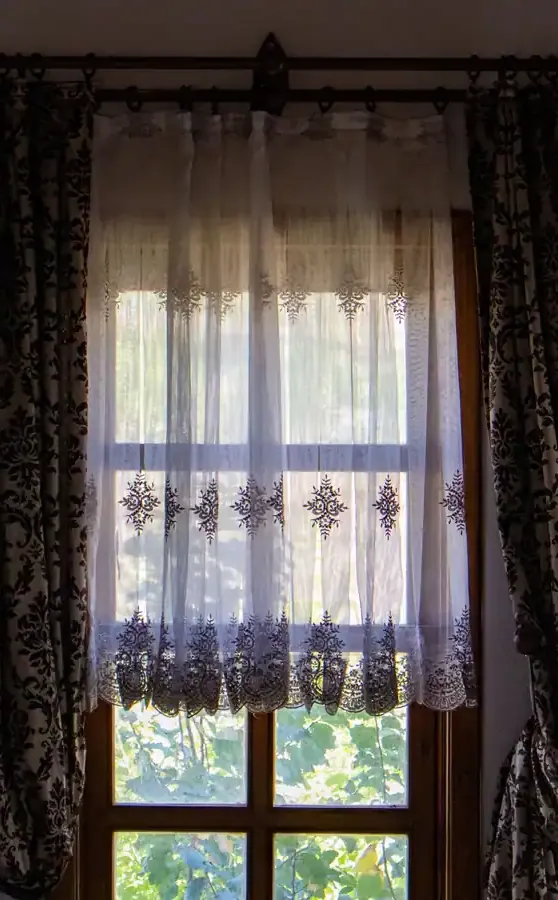
Al Muhammadiyah is an upmarket coastal district between King Abdulaziz Road and Madinah Road, facing the sea along the Corniche. Wide villas and modern apartment buildings share two commercial avenues. Those close to the water live with salt in the air: plain water spreads rather than removes the haze on glass, and salt works into balcony rails, outdoor fabrics and metal window frames. Humidity keeps carpets and curtains slightly damp, so they hold odours and dust longer than in drier areas.
Coastal humidity in Al Muhammadiyah keeps rugs and curtains slightly damp, so they retain odours and dust longer than in dry inland districts. For the method itself, see our guide to curtain cleaning.
Salt settles on glass as a haze that plain water spreads rather than removes, and it works into balcony rails, outdoor seat fabrics and metal window frames. Curtains absorb both salt and moisture at the same time, growing heavier and taking on the sea smell.
Year-round moisture keeps rugs and curtains slightly damp, so they hold cooking smells and street dust longer than they do in drier quarters. Complete drying after cleaning is essential to prevent mildew starting.
Bathroom grout and shower glass show scale quickly. Curtains in bathrooms and balconies facing the sea are affected by the mineral deposits that build up on taps and around drains.
An upmarket coastal district in west Jeddah facing the sea along the Corniche, between King Abdulaziz Road and Madinah Road, with wide villas, modern apartment buildings and commercial streets.
Upmarket coastal fabrics in Al Muhammadiyah are expensive and sensitive. Careful inspection for salt depth and moisture damage is essential before treatment.
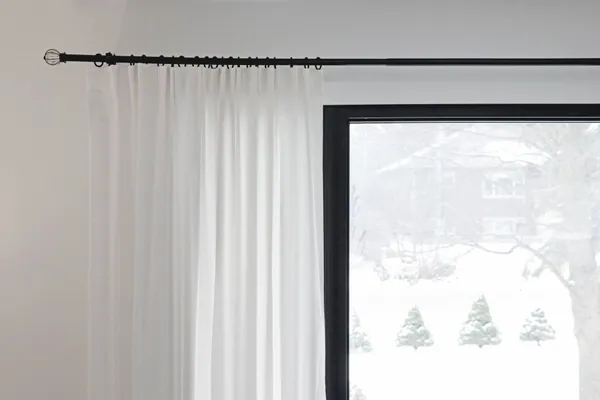
Removal of curtains from luxury apartments and villas requires care with silver rings and precious metal fittings.
Dry vacuum is essential to remove fine salt dust and sea-borne particles before any water can spread the salt through the weave.
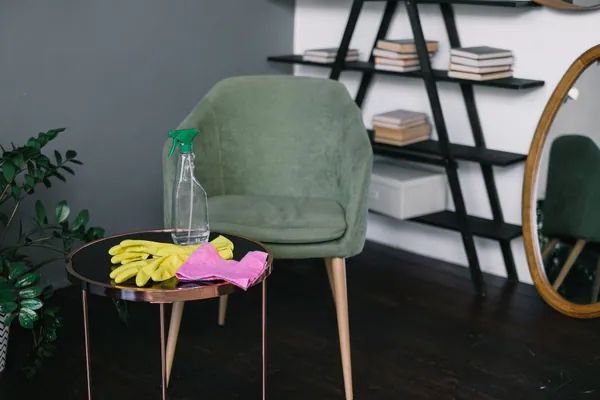
Salt and moisture stains are treated with specialist products that break down both mineral deposits and trapped moisture together.
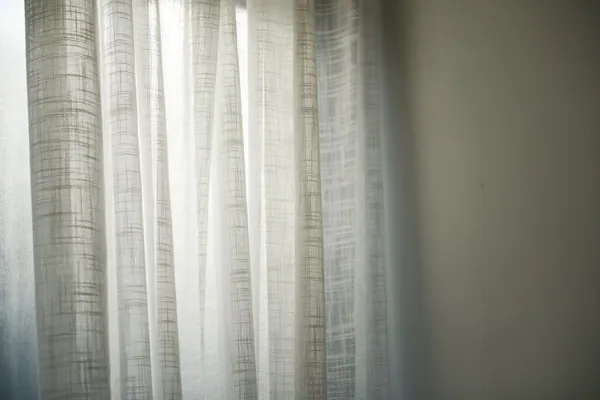
Cleaning includes double rinsing with purified water to remove all salt before the drying cycle begins.
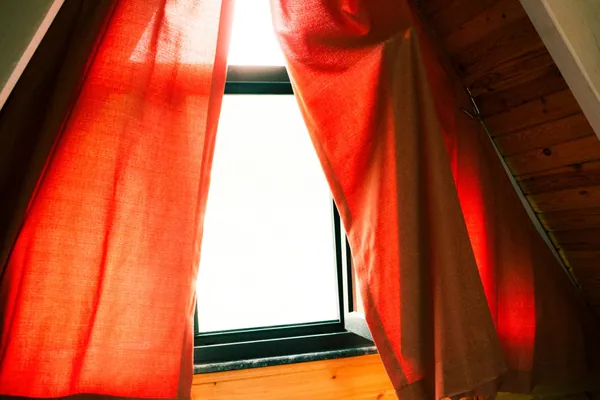
Rehang includes very thorough drying and strong ventilation to remove all moisture from the fabric before it goes back.
Cotton, linen, velvet, blackout weave and synthetic sheers do not take the same heat or the same solution.
Before any water.
A water spot at the hem is not treated like a greasy film near a kitchen.
We loosen what has bonded inside the fibres across the full panel, both faces and top to hem, with the method that suits the fabric, while the curtains stay on the rail so the drape is not disturbed.
The loosened dirt and water are pulled back out in the same pass.
We go over the panels with you before the team leaves.
Testing the solution on a hidden fold is a step we treat as necessary, not optional.
We send a team, not a single worker.
The cleaning and extraction machines come with the team.
If a panel needs a tailor rather than a clean, we say so.
Photographs from real jobs carried out by the crew.












The commitment is simple enough to actually keep: we do not leave before you have seen the result and told us what you think of it.
West Jeddah faces the sea along the Corniche, and the flats and towers along it live with salt in the air all year. Salt settles on glass as a haze that plain water spreads rather than removes, and it works into balcony railings, outdoor fabric and the metal of window frames. Indoors, humidity keeps carpets and curtains slightly damp, so they hold odours and dust longer than in drier districts, and bathroom grout and shower glass show scale quickly. Wooden floors and doors swell a little in the wetter months.
We provide these in Al Muhammadiyah too, and more than one can share a single visit.



