
We test before we clean
Testing the solution on a hidden fold is a step we treat as necessary, not optional.
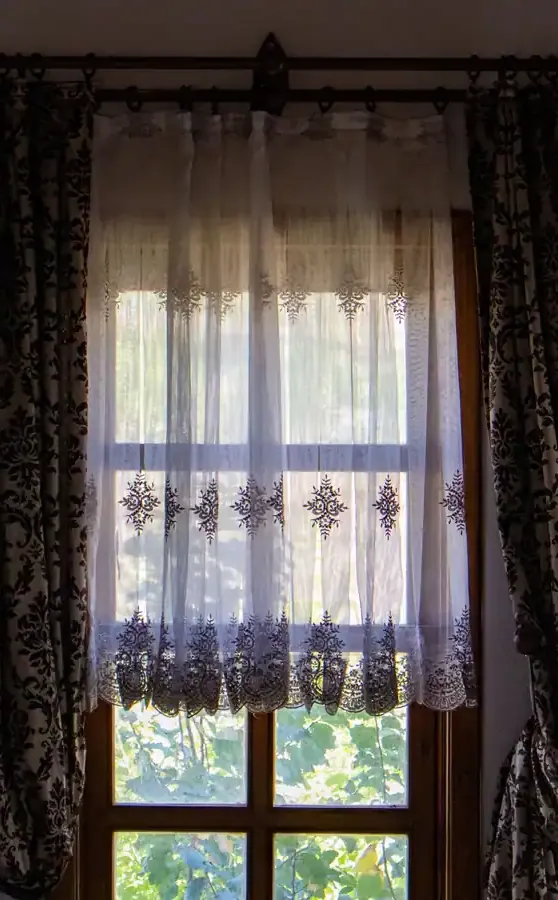
Taybah Ruhaili in northeast Jeddah is a mixed residential and commercial district with growing density, markets and shops side by side with homes. Curtains here trap street dust, cooking oils from nearby kitchens, and odours from surrounding commercial activity. Buildup happens gradually so the eye adjusts, but the smell and the stiff, tired feel in the fabric show first.
Curtains in Taybah need cleaning every six to eight weeks to remove cooking oils and odours, compared to every three months in residential areas farther from shops and food preparation. For the method itself, see how we approach curtain cleaning.
Oils from nearby kitchens travel through air and open windows to settle in curtain folds. They trap dust and odour and do not rinse away with surface cleaning. Deep cleaning uses warm water and degreasing product, applied with dwell time, followed by thorough rinsing to lift oil from the weave.
Smoke and kitchen smells from surrounding shops and food outlets enter through windows and doors and bind into the fabric fibres. Shaking or vacuuming does not remove odour. Full cleaning with warm water, degreasing and odour-neutralising product, then fresh air drying, breaks the smell cycle.
Street dust and market activity create heavier particulate matter than pure residential blocks. Dust sticks to oils and moisture, leaving fabric dull and rough to the touch. Dry vacuum first, then full wash, then air dry to restore softness and colour depth.
A mixed residential and commercial district near markets, shops and food outlets. Curtains trap cooking oils, smoke and odours from commercial activity faster than in purely residential areas farther from trade centres.
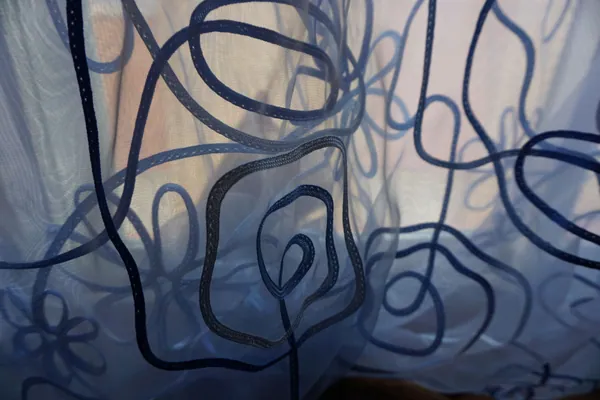
Inspecting fabric and how it hangs tells us the next step: curtains on sturdy rings need gentler handling than those on a smooth pole, and thin fabrics tear easily if we do not release the rail slowly and evenly.
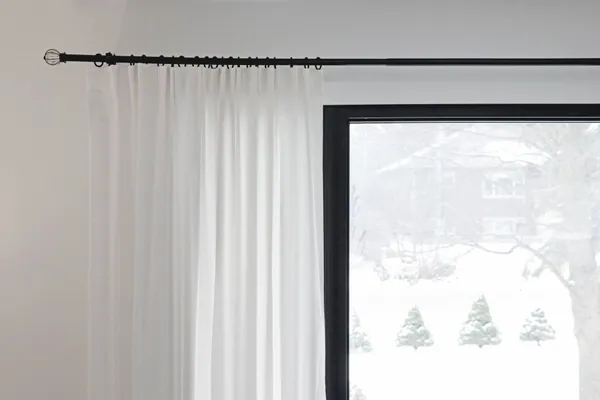
Taking down panels carefully means not yanking on rings or the pole itself. Heavy oil-laden curtains need two people so the weight does not slip and tear fibres stressed by absorbed oils and dust.
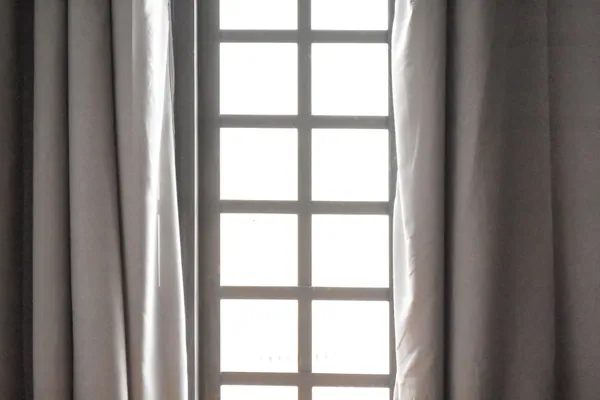
Dry vacuum before any water: the heavy street dust of Taybah is pulled from top to bottom with strong suction, every pleat worked to release trapped grit before moisture sets it in.
Treating stains one by one means matching the product to the stain: cooking oil needs a degreaser, tea or coffee needs an acid-based product. Fabric colour and stain age change which product we choose.
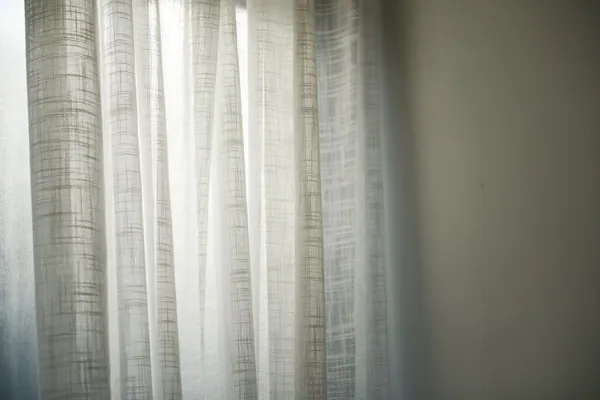
Cleaning method set by type: light-coloured, lightweight curtains are washed in cool water with gentle product and low-pressure rinse to avoid colour shift. Heavy dark curtains tolerate warm water and stronger rinsing to break down deep oil buildup.
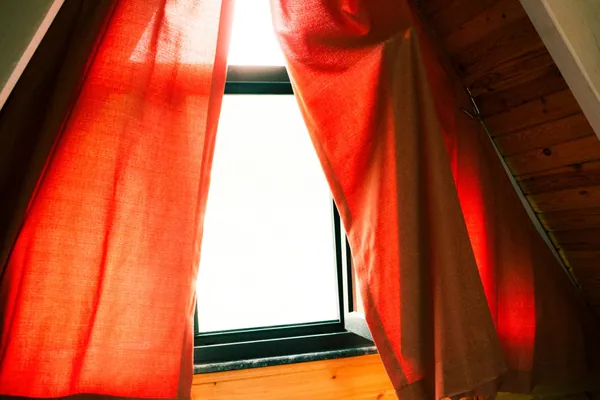
Rehung and creases dropped requires direct sun and steady tension: the damp curtain is hung and gently stretched while drying, then lightly pressed if needed or left to air dry completely before being drawn again.
Cotton, linen, velvet, blackout weave and synthetic sheers do not take the same heat or the same solution.
Before any water.
A water spot at the hem is not treated like a greasy film near a kitchen.
We loosen what has bonded inside the fibres across the full panel, both faces and top to hem, with the method that suits the fabric, while the curtains stay on the rail so the drape is not disturbed.
The loosened dirt and water are pulled back out in the same pass.
We go over the panels with you before the team leaves.
Taybah Ruhaili sits about 1.5 km from Al Asalah and about 3.5 km from Al Wadiyah.
Open in Google MapsTesting the solution on a hidden fold is a step we treat as necessary, not optional.
We send a team, not a single worker.
The cleaning and extraction machines come with the team.
If a panel needs a tailor rather than a clean, we say so.
Photographs from real jobs carried out by the crew.












The commitment is simple enough to actually keep: we do not leave before you have seen the result and told us what you think of it.
North Jeddah is largely newer villa districts and compounds around Obhur and inland from it. Homes here tend to have marble or porcelain floors, large windows and a garden or courtyard, so the routine is set by what comes in from outside: fine sand carried on sandals, and sprinkler spray that dries to a chalky ring on tiles. Near the creek and the coast, sea air leaves a faint salt film on glass and on outdoor cushions, which stiffens fabric. Curtains and upholstery in these open plan rooms catch the dust that settles overnight.
We provide these in Taybah Ruhaili too, and more than one can share a single visit.



