
We test before we clean
Testing the solution on a hidden fold is a step we treat as necessary, not optional.
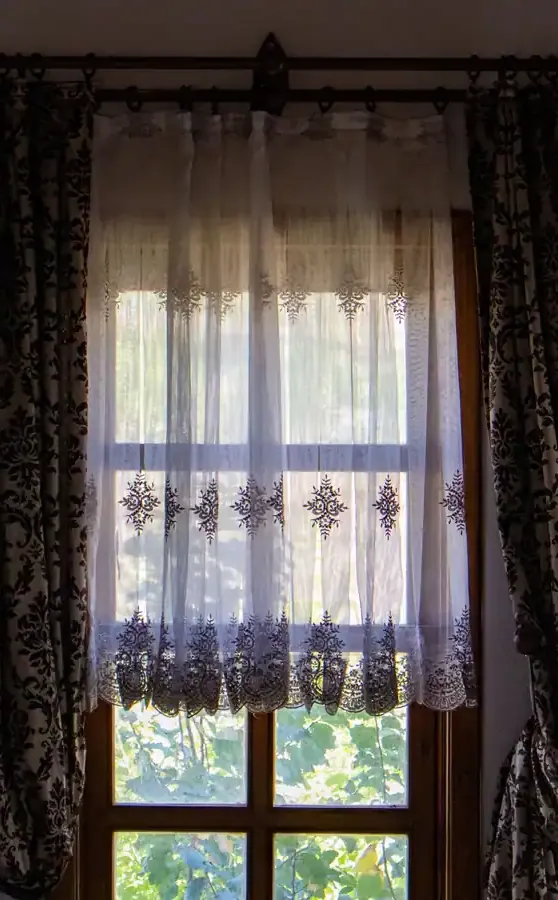
Wadi Qaws is a scattered rural area south of Jeddah where curtains bear the constant dust carried on wind from open plots and adjoining wadis. Homes are spaced far apart across wide stretches, and curtains accumulate deep grit from unpaved roads and surrounding farmland. The open terrain and distance from dense building mean each window faces unobstructed wind.
Curtains in scattered homes here accumulate heavy dust from free-flowing wind crossing open land with no urban shelter or planted breaks to slow it. For the method itself, see what curtain cleaning involves.
Large vacant plots surrounding each home allow wind to carry fine dust and sand directly onto windows and curtains. Rural dust differs from city dust: it is paler, finer, and penetrates deeper into fabric weave than the heavier industrial particles found in built-up areas near traffic.
Houses spaced along Al Qaws Street and Samir bin Jundab Street mean each curtain faces unobstructed wind from all directions with no shelter from neighbouring buildings. This exposure accelerates soil accumulation and makes the problem visible sooner than in clustered residential areas.
Proximity to the wadi and irrigated plots raises humidity in the air, and curtains trap this moisture alongside dust, making them heavier and more prone to absorbing odours and fine discoloration marks that dry air would not trap.
The landscape spreads openly towards wadis and farms, with wind carrying fine dust from Jabal Khashash and neighbouring ground directly into homes through windows throughout the day.
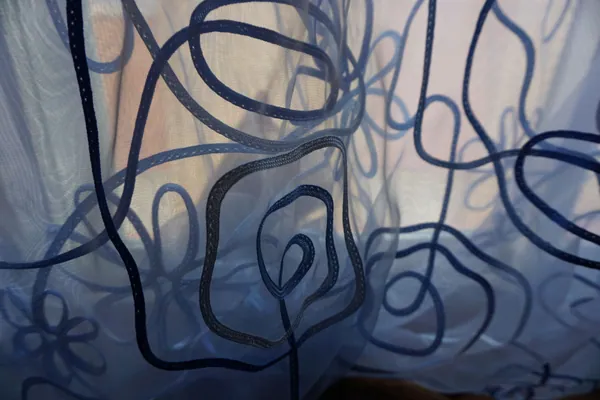
Rural fabric in scattered homes varies widely in content and weight, and whether it hangs from a simple rod or ring clips determines how carefully we approach removal without damage.
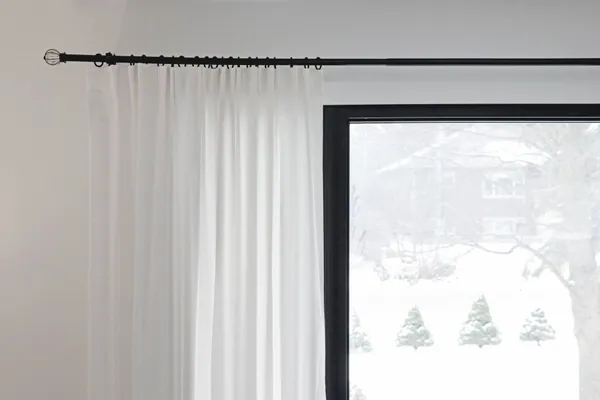
Homes spread far apart mean we take full time to take down curtains carefully without rush, especially if they hang from aged brackets or old-style fixtures that may be brittle.
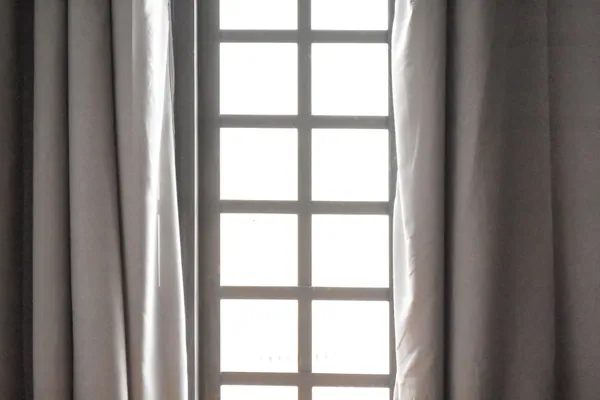
Fine rural dust requires forceful dry vacuum the moment the curtain comes down before any water touches it, otherwise the dust turns to mud and sets deeper.
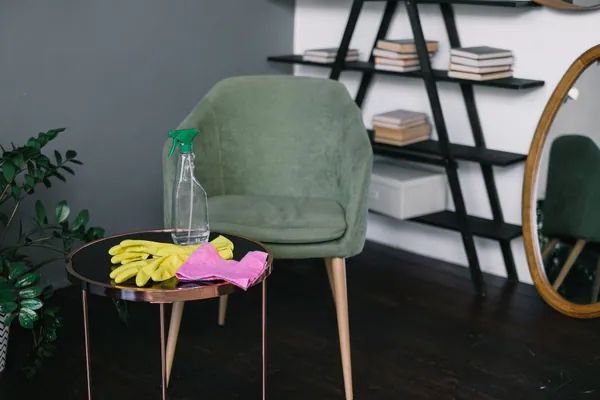
Stains here stem from dust and moisture, treated one by one according to fabric type and the mark itself, with close attention to old settled spots.
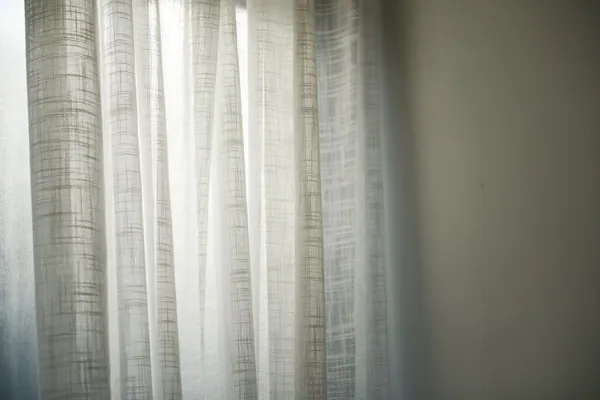
Mixed-fibre rural curtains blending linen and cotton need a middle approach between hot and cool water, avoiding extremes that could shrink or damage either component.
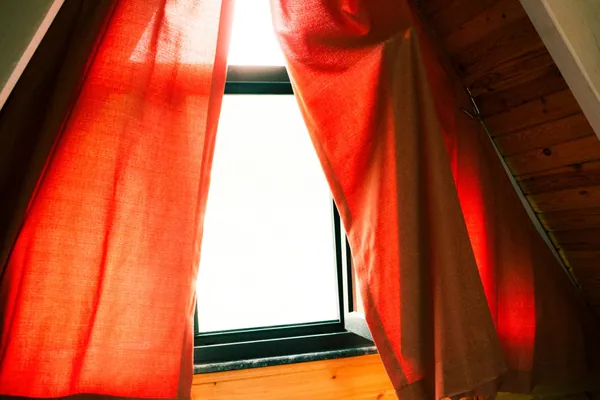
Rehanging takes care because aged brackets and rings may be weak, and we dry creases gently without strong pulling that old fixings might not endure.
Cotton, linen, velvet, blackout weave and synthetic sheers do not take the same heat or the same solution.
Before any water.
A water spot at the hem is not treated like a greasy film near a kitchen.
We loosen what has bonded inside the fibres across the full panel, both faces and top to hem, with the method that suits the fabric, while the curtains stay on the rail so the drape is not disturbed.
The loosened dirt and water are pulled back out in the same pass.
We go over the panels with you before the team leaves.
Testing the solution on a hidden fold is a step we treat as necessary, not optional.
We send a team, not a single worker.
The cleaning and extraction machines come with the team.
If a panel needs a tailor rather than a clean, we say so.
Photographs from real jobs carried out by the crew.












The commitment is simple enough to actually keep: we do not leave before you have seen the result and told us what you think of it.
Wadi Qaws spreads across several roads and routes, and the team reaches you via Al Qaws Street or Samir bin Jundab Street depending on where your home sits. Wadi Qaws Dam is a recognisable landmark for locating the area, and Jabal Khashash marks the eastern boundary of the neighbourhood clearly.
We provide these in Wadi Qaws too, and more than one can share a single visit.



