
We test before we clean
Testing the solution on a hidden fold is a step we treat as necessary, not optional.
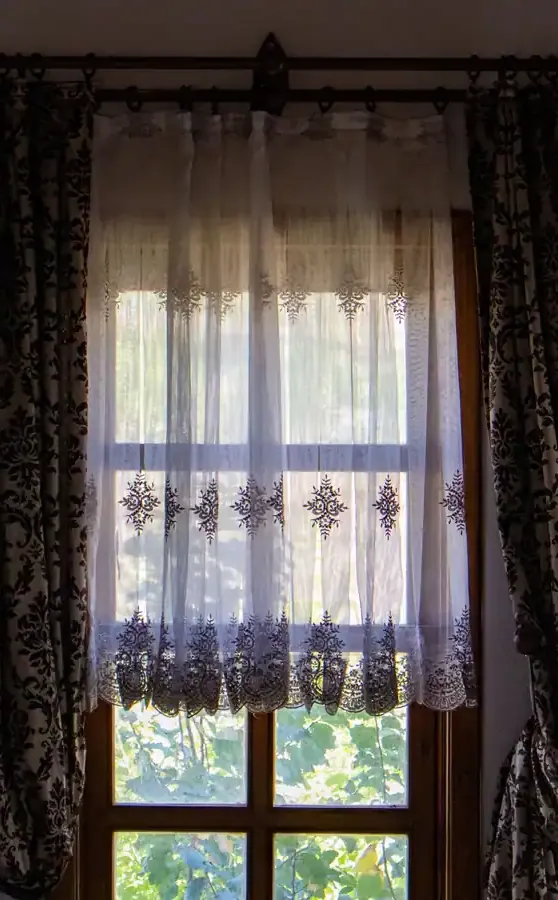
Al Mawj is the southernmost of the far south Jeddah subdivision cluster, its name meaning the wave. It lies close to where the Al Lith highway continues south toward the shore, and building is minimal to date. The air here blends sea moisture with desert wind. Salt, sand and dampness settle on new curtains before windows open for air.
New curtains here soil from a unique mix of salt, sand and moisture. The remote coastal location means sea influence is stronger than in other districts. For the method itself, see what curtain cleaning involves.
Al Mawj sits close to the sea so salt is concentrated. Sand from the ground is fine and damp from coastal moisture. Together they make a sticky thick layer. Washing in fresh water with extended and repeated rinsing is essential.
The district is remote and building is slow. Open sandy ground allows subsurface moisture to enter. New homes are not dry yet. Moisture enters the curtains.
The remote coastal location means steady strong winds. These carry sea salt and tiny particles. Curtains collect this faster than in sheltered neighbourhoods.
The subdivision is new and the location is remote coastal. The ground is sandy with newly subdivided plots. Building is minimal and infrastructure is emerging. The air is saturated with sea moisture and sand together.
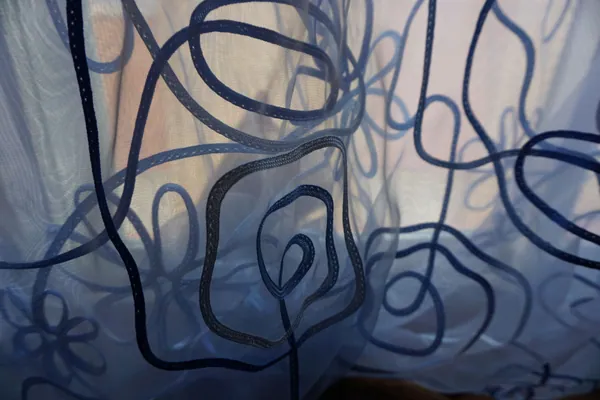
New coastal fabrics are sensitive to salt and sand together. We test first and use cool water only. Hard washing may damage new textiles.
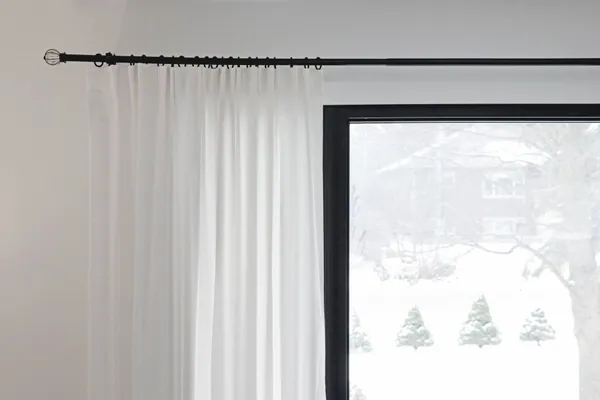
Removing curtains from new windows is straightforward but moisture may make metal sticky. We clean rings and rails during removal. Rehang goes on clean and dry metal only.
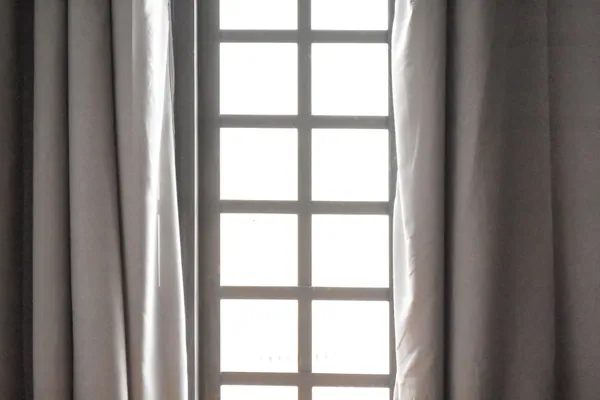
Dry vacuuming removes surface sand. Moderate vacuum power is safe and effective. Gentle soaking in cool water helps damp sand release.
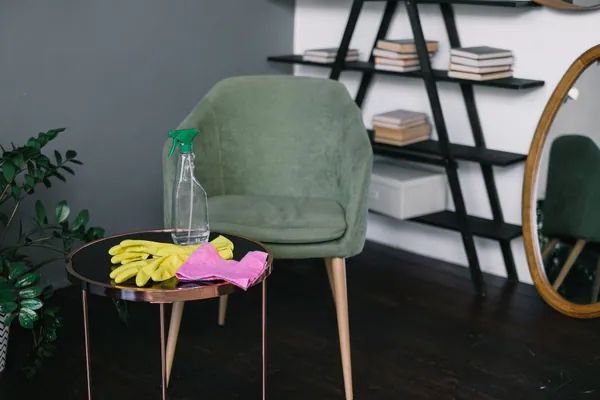
Salt deposits on fabric need very extended rinsing in fresh water. Excess moisture is removed by soaking. We never use harsh chemicals.
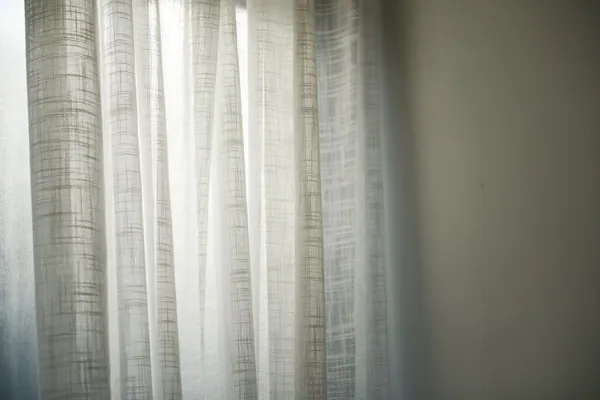
New fabrics wash in cool water only. Rinsing is very frequent to remove all salt and moisture. We never use electric dryers on new sensitive fabrics.
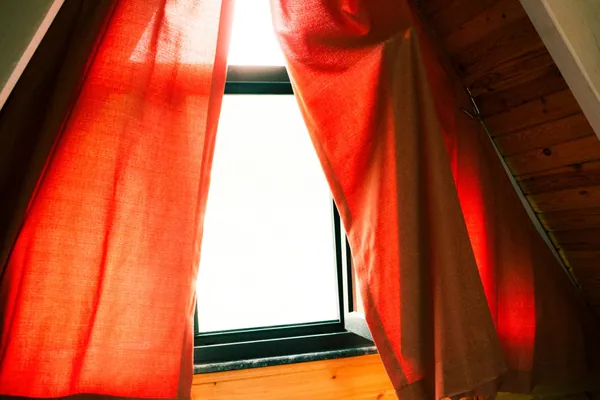
Fast drying in strong moving air slows moisture return and mildew. Quick rehang may reduce mildew risk. Ventilation for hours after hanging completes drying.
Cotton, linen, velvet, blackout weave and synthetic sheers do not take the same heat or the same solution.
Before any water.
A water spot at the hem is not treated like a greasy film near a kitchen.
We loosen what has bonded inside the fibres across the full panel, both faces and top to hem, with the method that suits the fabric, while the curtains stay on the rail so the drape is not disturbed.
The loosened dirt and water are pulled back out in the same pass.
We go over the panels with you before the team leaves.
Testing the solution on a hidden fold is a step we treat as necessary, not optional.
We send a team, not a single worker.
The cleaning and extraction machines come with the team.
If a panel needs a tailor rather than a clean, we say so.
Photographs from real jobs carried out by the crew.












The commitment is simple enough to actually keep: we do not leave before you have seen the result and told us what you think of it.
New development: ongoing construction and vacant plots between the homes
Al Mawj is an emerging remote coastal subdivision where new building is slow and curtains face salt, humidity and strong wind together. The remote location means the sea is very close and its effects are very strong.
We provide these in Al Mawj too, and more than one can share a single visit.



