
We test before we clean
Testing the solution on a hidden fold is a step we treat as necessary, not optional.
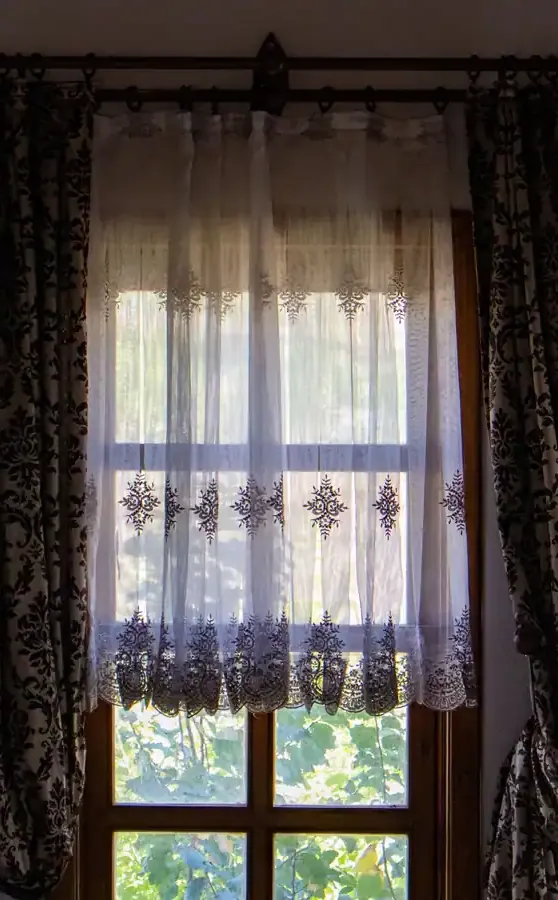
Al Nada is a small residential district east of central Jeddah, close to the University of Jeddah road and Wadi Al Ghawla, made up of simple homes and popular housing stock. Curtains here collect heavy dust from the wadi and from Asfan Road, along with overnight damp. Cleaning them means understanding older, simpler housing and the dust that actually comes in.
Homes here are older and modest, and the windows and curtain rods are not always in good condition, so careful inspection before removal prevents accidental damage. For the method itself, see how we approach curtain cleaning.
Wadi Al Ghawla lies close by, so wind regularly carries wadi sand and desert grit directly into windows and curtains. This dust is coarser and heavier than street dust, and it binds tighter to the weave.
Curtains here hang on rails that may be old or corroded. Removal has to be gentle to avoid bending or cracking the rod or pulling it from its fixings. Rehang may need new washers, new screw holes filled, or the rod cleaned and oiled.
Proximity to the wadi and open ground means moisture enters homes easily, and curtains trap it. Light mildew spots may show, especially in humid months, and these need identification and proper treatment before the fabric is re-exposed to damp.
Al Nada sits within the Taibah sub-municipality area towards Asfan, close to the University of Jeddah road and Wadi Al Ghawla. Open ground around the wadi and main road create heavier, coarser dust than central Jeddah receives.
Curtains in simple homes and popular housing are often cotton or a blend, on basic rods that may be rusted or loose. Each piece needs inspection before removal for safety and condition.
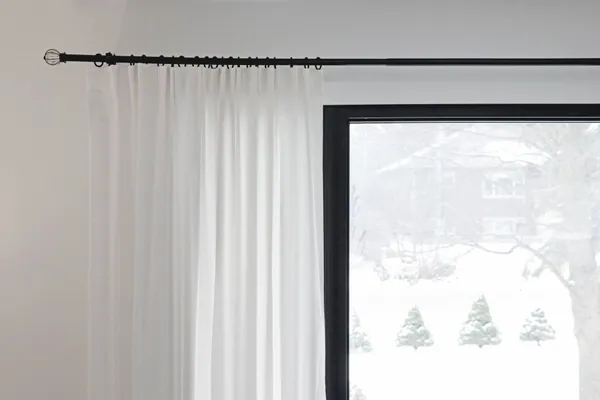
Removal must be gentle because old rods can be brittle, screw holes may have enlarged, and rehang may need new washers, filled holes or treatment of corroded fittings.
Wadi sand and heavy dust clings deep in the fibres, so dry vacuum is vigorous and tapping is repeated to loosen compacted material.
Damp stains and light mildew need separate treatment before washing, and very old marks may not disappear entirely if the damage has set into the fibres.
Simple fabrics tolerate water and cleaning products, but excess moisture in older housing needs rapid and complete drying to prevent fresh mildew after rehang.
Rehang includes checking the rod, fixings, washers and holes. Old rods may need cleaning and oiling, and screw holes may need filling or relocation.
Cotton, linen, velvet, blackout weave and synthetic sheers do not take the same heat or the same solution.
Before any water.
A water spot at the hem is not treated like a greasy film near a kitchen.
We loosen what has bonded inside the fibres across the full panel, both faces and top to hem, with the method that suits the fabric, while the curtains stay on the rail so the drape is not disturbed.
The loosened dirt and water are pulled back out in the same pass.
We go over the panels with you before the team leaves.
Testing the solution on a hidden fold is a step we treat as necessary, not optional.
We send a team, not a single worker.
The cleaning and extraction machines come with the team.
If a panel needs a tailor rather than a clean, we say so.
Photographs from real jobs carried out by the crew.












The commitment is simple enough to actually keep: we do not leave before you have seen the result and told us what you think of it.
Al Nada lies directly off the University of Jeddah road and the Wadi Al Ghawla marks its eastern boundary. Access to homes runs through simple internal streets that branch from the main university road, and knowing which side of the wadi you are on places the job precisely.
We provide these in Al Nada too, and more than one can share a single visit.



