
We test before we clean
Testing the solution on a hidden fold is a step we treat as necessary, not optional.
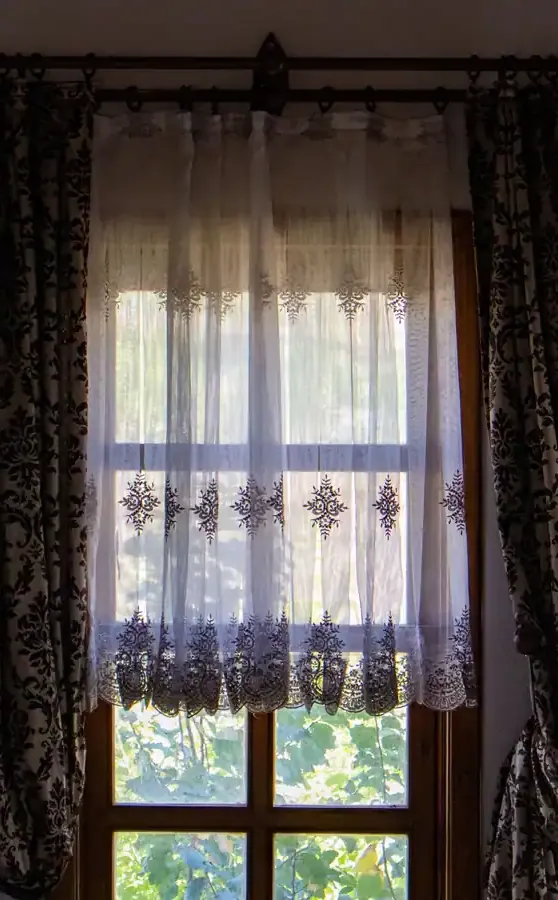
Al Hijaz sits in east Jeddah, remote from the coast and close to open ground and hills beyond the ring roads. The dust here is coarser and paler, enters under doors and settles on every flat surface overnight, making curtains the heaviest part of the daily cleaning routine.
Curtains here collect pale sandy sediment, not cooking odours as in other areas, but gritty dust and earth from open land and roads. For the method itself, see our curtain cleaning service in detail.
Surrounding land awaiting development sends dust that is grittier than coastal dust, penetrating under doors and settling in curtain folds with real weight. Ordinary shaking disturbs the surface only and leaves deep residue untouched in the weave.
Roof tanks in Al Hijaz leave mineral sediment in hot and cold water supply, turning pale curtains a dark grey on edges and folds. This is not ordinary soiling but mineral compound deep in the fabric structure.
The dry air of east Jeddah means curtains shrink quickly after washing if drying is not precisely controlled. Heat and dryness accelerate water loss from the weave, shortening length and tightening width.
Al Hijaz lies in the Taibah sub-municipality of east Jeddah, near University of Jeddah Road and Wadi Al Ghawla, with relatively newer housing but heavy coarse dust from surrounding open ground adds a significant cleaning load.
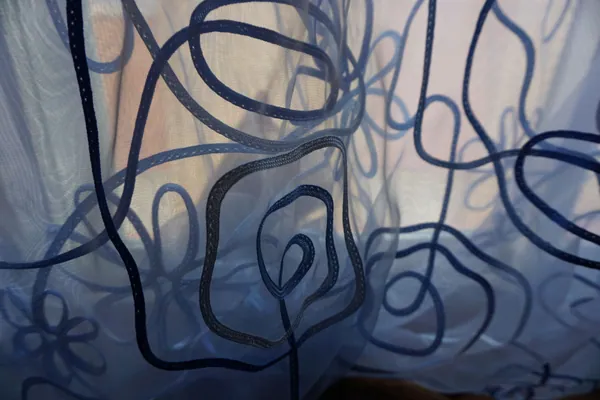
Al Hijaz fabric needs close inspection to distinguish mineral deposits from sand and ordinary dust, because each needs different treatment.
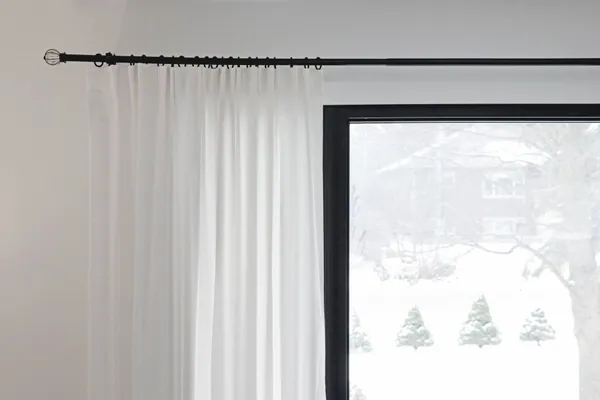
Removal is essential here because coarse dust settles deep in folds and cleaning while hung leaves sediment undisturbed in the weave.
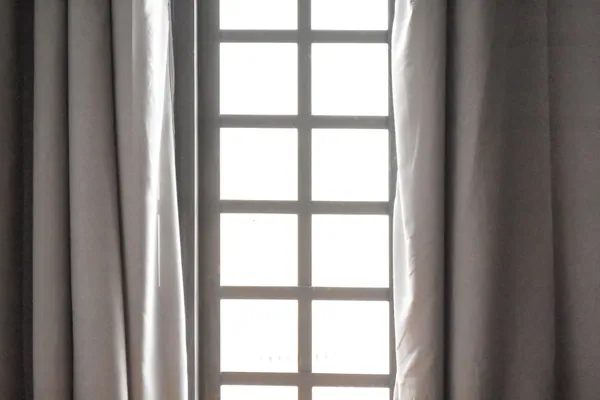
Strong dry vacuum comes first to extract the heaviest grit before any water drives it deeper into the structure.
Stains and mineral deposits need separate handling: coarse dust differs from white roof tank sediment in method.
Cleaning by fabric type matters in Al Hijaz: light weaves need lower heat and heavy ones need stronger water pressure to reach deep deposits.
Rehang comes after slow, careful drying, because the dry east Jeddah air shrinks fabric rapidly if not dried hanging or flat on a level surface.
Cotton, linen, velvet, blackout weave and synthetic sheers do not take the same heat or the same solution.
Before any water.
A water spot at the hem is not treated like a greasy film near a kitchen.
We loosen what has bonded inside the fibres across the full panel, both faces and top to hem, with the method that suits the fabric, while the curtains stay on the rail so the drape is not disturbed.
The loosened dirt and water are pulled back out in the same pass.
We go over the panels with you before the team leaves.
University of Jeddah Road and Wadi Al Ghawla frame Al Hijaz from different directions, and work here organises around these landmarks which define the most direct routes to reach and park near the curtains we clean.
Testing the solution on a hidden fold is a step we treat as necessary, not optional.
We send a team, not a single worker.
The cleaning and extraction machines come with the team.
If a panel needs a tailor rather than a clean, we say so.
Photographs from real jobs carried out by the crew.












The commitment is simple enough to actually keep: we do not leave before you have seen the result and told us what you think of it.
East Jeddah lies furthest from the sea and closest to the open ground and hills beyond the ring roads, so the air is drier and the dust is coarser and paler than on the coast. It comes in under doors and settles on every flat surface overnight, making sofas, mattresses and curtains the heaviest part of the routine. Floors are mostly ceramic tile in the apartment districts and marble in the villa areas, both scratched by grit that is mopped rather than swept. Roof tank water leaves a grey film of sediment in baths and basins.
We provide these in Al Hijaz too, and more than one can share a single visit.



