
We test before we clean
Testing the solution on a hidden fold is a step we treat as necessary, not optional.
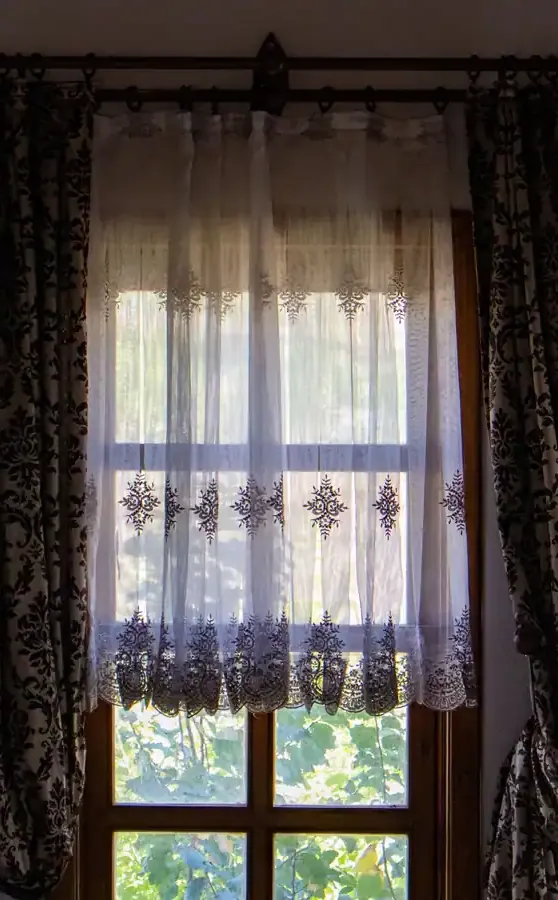
Al Karamah is a residential administrative district in south Jeddah between the port and the Middle Ring Road. Curtains here absorb heavy oily diesel soot, a mix of truck exhaust, ship emissions and workshop fumes. Coastal humidity makes it worse, so soot clings much harder. Cleaning focuses on dissolving fats before any water touches the fabric.
Oily soot leaves a shiny black film on curtains, not like ordinary dust. This soot needs a solution that dissolves fats so it separates from the weave. For the method itself, see what curtain cleaning involves.
Al Karamah sits between the port and the ring road, with heavy lorries passing all day. Diesel exhaust produces oily soot that settles on curtains as a shiny black layer. This soot is heavier than dust and clings to the weave with much greater force.
Moisture from the nearby coast makes soot cling more tightly. Damp fabric absorbs soot far more readily than dry fabric. This means soot embeds deep and fast into curtains here.
Old curtains in Al Karamah have absorbed moisture and soot for years. A musty stale smell comes from this accumulation. Deep cleaning with complete drying may reduce the smell but old fabrics may need repeated cleans.
An administratively defined residential district on the eastern edge of south Jeddah, south of Al Tadamun. The port, lorry traffic and Middle Ring Road surround it. An industrial and residential coastal zone combined.
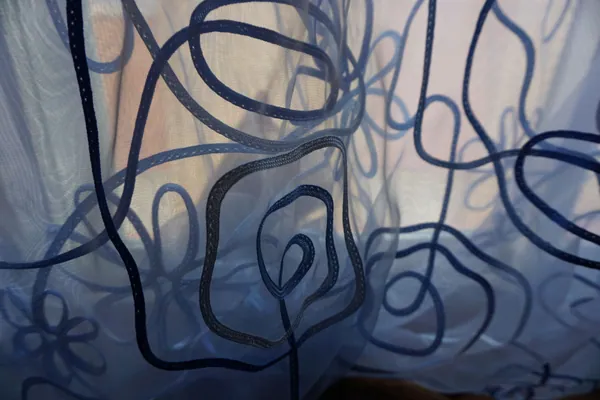
Fabrics in Al Karamah may be delicate from long exposure to soot and moisture. Careful assessment is needed before choosing the solution.
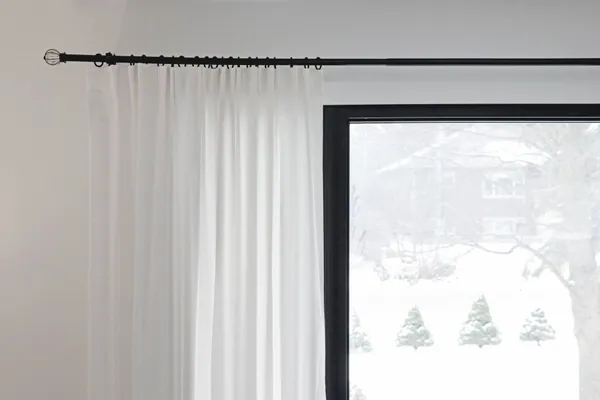
Removing curtains from fittings that may be corroded by moisture and soot requires extra care so aged fixings do not break.
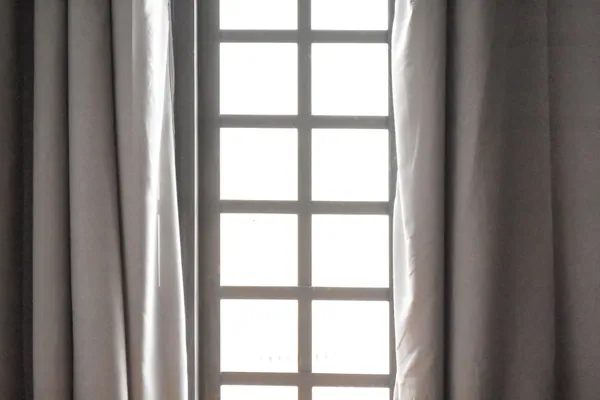
Strong shaking and vigorous suction extract heavy soot from the surface before any water, and oily soot needs repeated shaking.
Oily soot is treated with a solution that dissolves fats, and odour sometimes needs separate treatment.
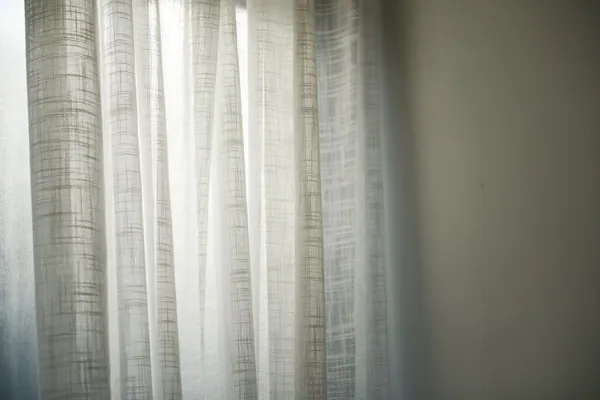
Washing uses solutions strong enough to remove embedded soot, with repeated rinsing to remove every trace of grease.
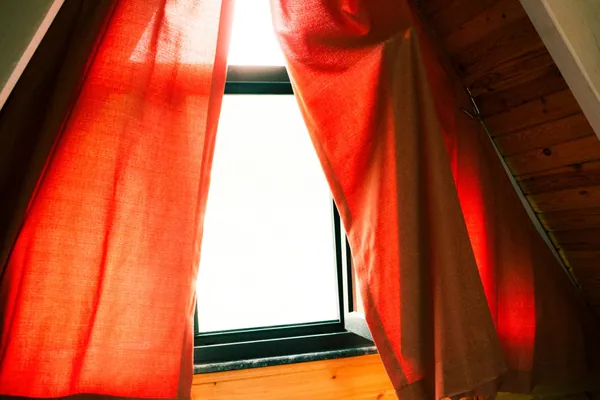
Drying must be fast and complete to prevent moisture, mildew and odours from returning.
Cotton, linen, velvet, blackout weave and synthetic sheers do not take the same heat or the same solution.
Before any water.
A water spot at the hem is not treated like a greasy film near a kitchen.
We loosen what has bonded inside the fibres across the full panel, both faces and top to hem, with the method that suits the fabric, while the curtains stay on the rail so the drape is not disturbed.
The loosened dirt and water are pulled back out in the same pass.
We go over the panels with you before the team leaves.
Mixed district: shops at street level with homes above them
A district between port and ring road means diesel soot is the main problem, combined with coastal moisture. Solutions focus on dissolving fats before anything else.
Testing the solution on a hidden fold is a step we treat as necessary, not optional.
We send a team, not a single worker.
The cleaning and extraction machines come with the team.
If a panel needs a tailor rather than a clean, we say so.
Photographs from real jobs carried out by the crew.












The commitment is simple enough to actually keep: we do not leave before you have seen the result and told us what you think of it.
South Jeddah runs from the port and the industrial city down towards Al Khumrah, and homes here sit between the sea and the heavy goods roads. The dust is darker and oilier than in the north, a mix of diesel soot and workshop grit, and it clings to net curtains, window sills and the tops of kitchen cupboards. Floors in the older low rise housing are often plain cement or ceramic tile that darkens where soot is walked in. Humidity from the coast adds mildew in bathrooms and a musty smell in stored fabrics.
We provide these in Al Karamah too, and more than one can share a single visit.



